


In April 2025, Uruguay changed one line in its passport.
By August, it had changed it back.
The line is the nationality field.
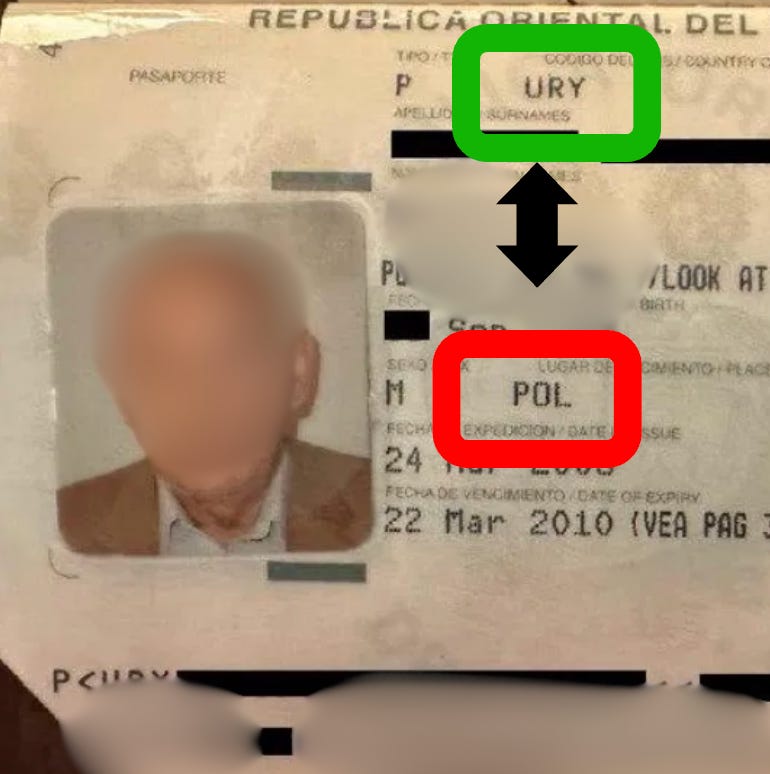
For about 16,000 people who became Uruguayan citizens, it shows the country they were born in.
Uruguay is not listed.
When Uruguay started printing “Uruguayan” in that field for everyone in April 2025, France, Germany and Japan refused to accept the new passports (read more about it here, if your Spanish is good enough).
These people lived in Uruguay for years and went through the full citizenship process.
Then they found out what their new passport actually says.
Uruguay is one of four places we will talk about today, where a rule like this sits in the law.
(And sometimes you only find out after you are already enrolled.)
Here’s what you’ll find for each:
What the rule actually says
Who it affects (and who it doesn’t)
What to do before you apply
Before we go into the first trap, let me clarify a few definitions, that people usually never bother to distinguish.
I just recorded a free 28-minute training called “The Exit System” that shows the three steps to set up your Plan B options (residency, banking, investments) outside the US, in the right order.
👉 Watch it here
Nationality, citizenship and passport
Most people use these three words as if they mean the same thing.
For most purposes they do.
But as with most things, the devil usually is in the detail.
Nationality
Nationality is the country that claims you as its own under international law.
Border officers and airline systems read it to decide whether you need a visa.
Citizenship
Citizenship is the set of rights you have inside a country, like the right to live there and to vote.
Passport
A passport is the travel document that records your nationality. It doesn’t “create” nationality.
Uruguay views them separately.
Under the Uruguayan constitution, nationality comes only from birth.
Being born in Uruguay, or being born abroad to a Uruguayan parent.
Someone who naturalizes becomes a “legal citizen.”
They can vote and they get a Uruguayan passport, but Uruguay does not give them its nationality.
Why is this a problem?
A passport normally shows two separate things:
Nationality
Place of birth
For a natural Uruguayan, the nationality field says Uruguayan.
For a legal citizen, both fields show the country they were born in.
That applies even if they gave up that nationality years ago (or plan to).
The nationality field is the one border officers and airline systems check to decide whether you need a visa.
#1 Uruguay (legal citizenship)
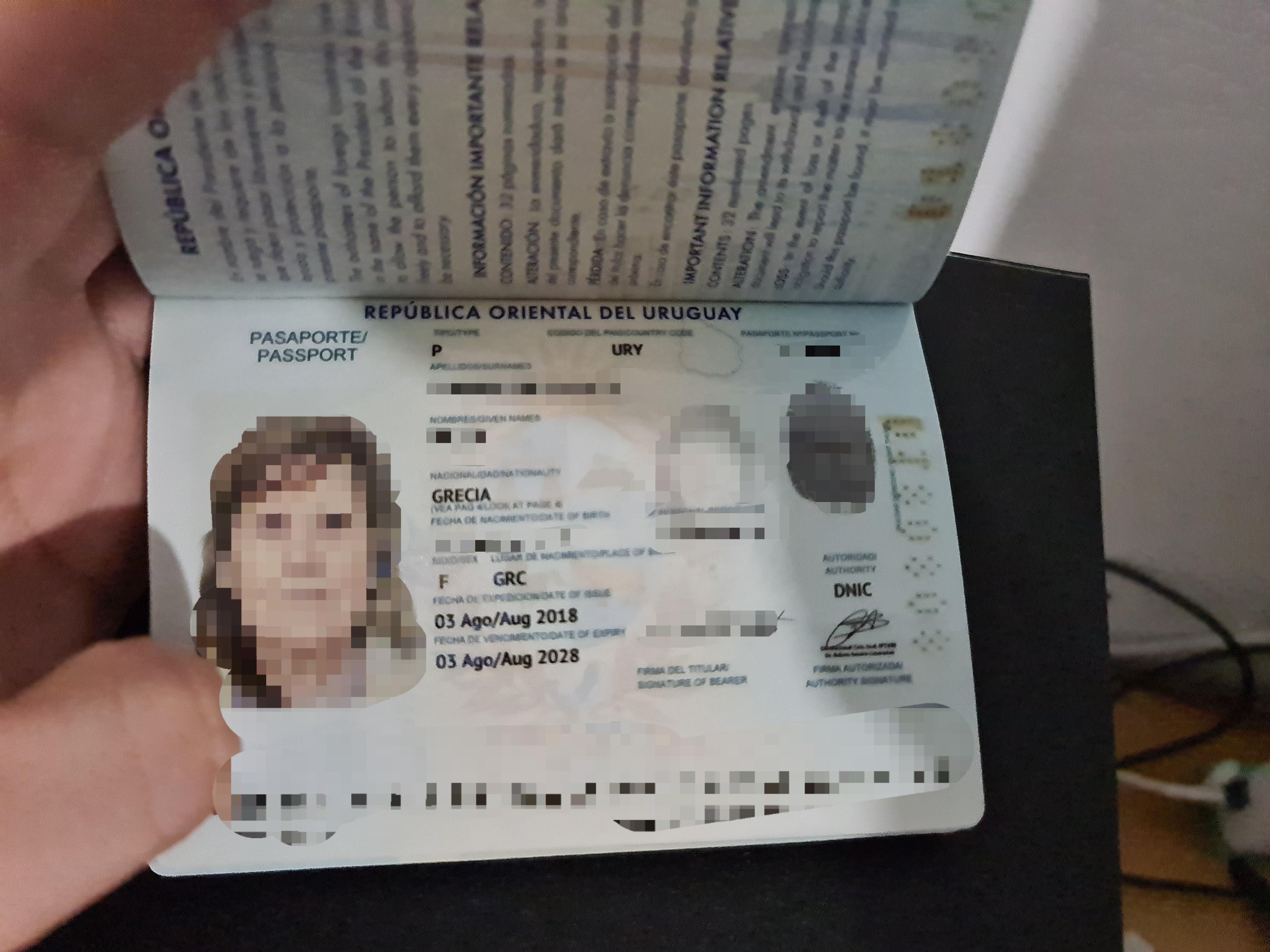
Uruguay has printed the birth country in legal citizens’ passports since 1994.
What the rule says:
You can apply for legal citizenship after 3 years of residence if you have family in Uruguay, or after 5 years if you don’t.
Your passport lists your birth country as your nationality.
If you later naturalize in another country, you lose your Uruguayan citizenship (Article 81 of the Constitution).
Who it affects (and who it doesn’t):
If you’re American, your Uruguayan passport says you’re from the United States. For travel, it adds little to the US passport you already have.
The people it hurts most gave up their birth nationality to become Uruguayan. Their passport names a country that no longer counts them as citizens.
Your children born in Uruguay are natural citizens and get the full nationality.
On October 9, 2026, the government announced a law to recognize legal citizens as Uruguayan nationals. It hasn’t passed yet, and it says nothing about passports.
What to do before you apply:
Keep your US passport valid and travel on it.
Apply for Uruguayan citizenship if you want what it gives you inside Uruguay, like the vote.
If you’re still deciding on Uruguay itself, start with this article.
Takeaway: Uruguay gives legal citizens the vote and a passport, but the passport still names the country they were born in.
#2 Mexico (naturalization)
When you naturalize in Mexico, you sign a renunciation of your US citizenship.
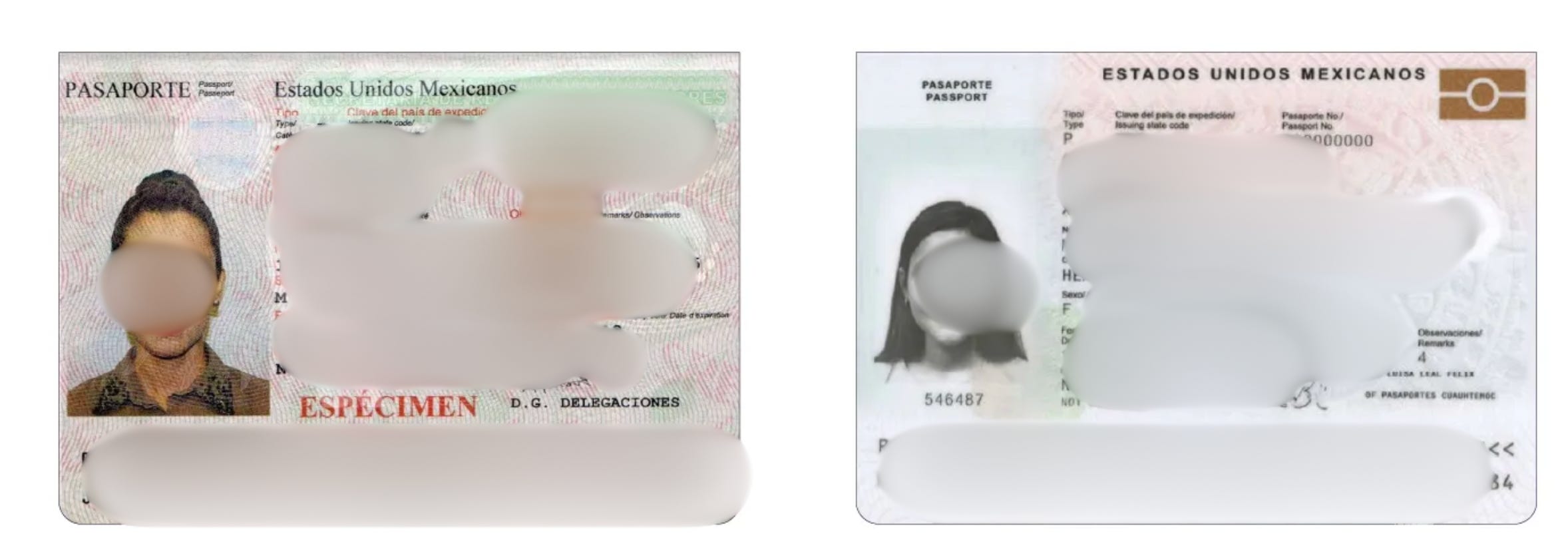
But the US doesn’t recognize it, so you stay American.
What the rule says:
You can apply after 5 years of residence, or after 2 if you’re married to a Mexican.
Before Mexico issues your naturalization certificate, you formally renounce your other nationality and any protection from a foreign government.
As a naturalized Mexican, you lose your nationality if you use a foreign passport, present yourself as a foreigner in an official document, or live outside Mexico for five continuous years (Constitution, Article 37).
In practice, US law requires you to enter and leave the US on your US passport.
So Americans who naturalize in Mexico:
Use the Mexican passport for everything in Mexico.
Use the US passport only at the US border.
Who it affects (and who it doesn’t):
Everyone who becomes Mexican by naturalization.
Your children born in Mexico are Mexican by birth, and the Constitution says a Mexican by birth can’t lose that nationality.
What to do before you apply:
Use your Mexican passport for every entry and exit in Mexico, and for every Mexican document you sign: notary deeds, bank accounts, property.
Decide where you’ll live long term. The five-year rule has no workaround. If you move back to the US for five years straight, Mexico can take away your nationality.
If you’re not a resident yet, start with this article.
Takeaway: A naturalized Mexican keeps the Mexican passport by never showing the US one in Mexico and never living abroad for five years straight.
#3 Argentina (permanent residency)
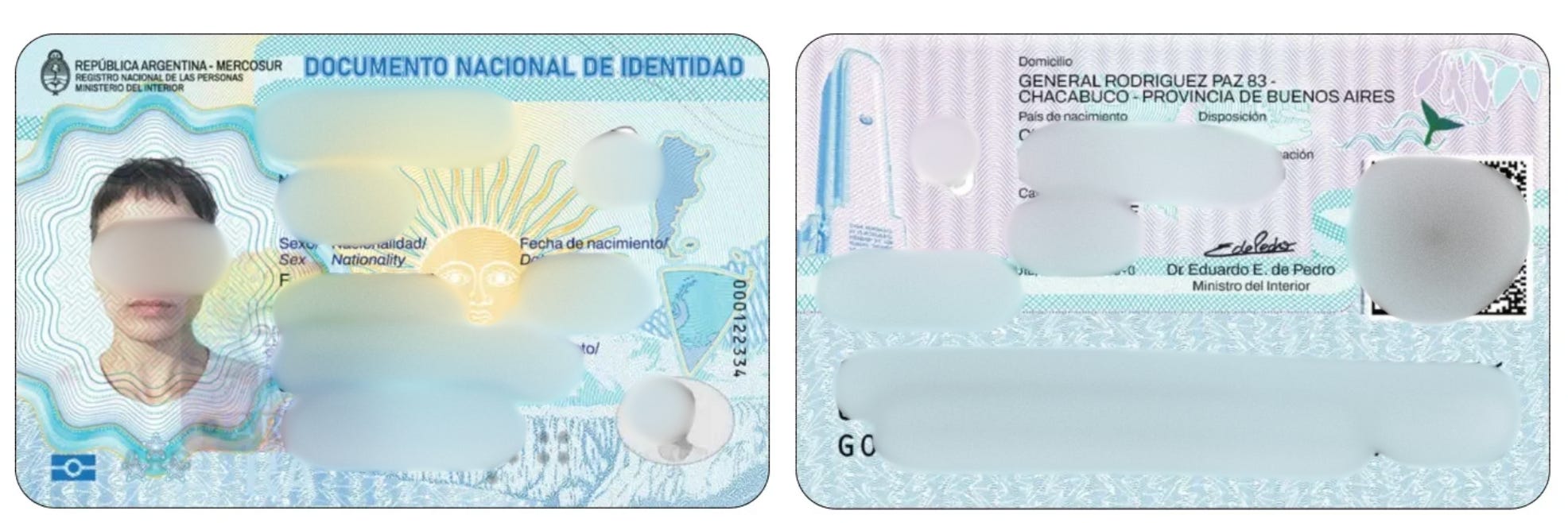
Argentina treats a foreigner with permanent residency as a tax resident as soon as the residency is granted.
What the rule says:
Tax residents pay Argentine income tax on their worldwide income, at rates up to 35%.
They also pay Bienes Personales, a yearly tax on their assets worldwide. For 2025, it applied to assets above ARS 385 million, at rates from 0.5% to 1%.
The status starts when you get permanent residency, not after a minimum stay.
Temporary residents also become tax residents, but only after 12 months.
The US and Argentina have no income tax treaty.
There is still the possibility to credit Argentine income tax against your US tax, but the US gives you no credit for a wealth tax like Bienes Personales.
Who it affects (and who it doesn’t):
Anyone who gets Argentine permanent residency, including Americans who want it as a Plan B while they keep living in the US.
Temporary residents in their first 12 months aren’t tax residents yet.
What to do before you apply:
List what you own and earn worldwide, and have an Argentine tax adviser run the numbers before you file for permanent residency.
If you’re moving there for real, budget for both taxes from your first year.
If you’re looking at the investment passport instead, read this article.
Takeaway: Argentine permanent residency makes you a tax resident on everything you earn and own worldwide, starting as soon as you get it.
#4 Nicaragua (pensionado residency)
For 15 years, Nicaragua’s Law 694 gave retirees a five-year residency and duty-free imports for a car and household goods.

In August 2024, Nicaragua repealed it.
What the rule says now:
Retirees get a temporary residency that lasts one year, and you renew it in person every year.
The residency card has to be replaced every six months.
Since November 2024, years on that temporary residency no longer lead to permanent residence.
The duty-free allowance for your car and household goods is gone.
In May 2026, the US State Department said the Nicaraguan government has denied entry to and expelled US citizens.
Who it affects:
Anyone planning to retire in Nicaragua now. You start on a one-year permit with no route to permanent residence.
Retirees who already hold residency under Law 694. Ask a Nicaraguan immigration lawyer how your next renewal will be handled.
What to do before you apply:
Plan for a renewal every year and a new card every six months, each filed in person with Nicaraguan immigration.
Keep a home base somewhere else until you’ve been through at least one renewal.
Read the current State Department advisory before you book a flight.
Takeaway: The retiree residency that drew Americans to Nicaragua for 15 years is now a one-year permit with no route to permanent residence.
Conclusion
That’s it.
Four rules you only find in the law itself:
Uruguay gives legal citizens a passport that lists the country they were born in as their nationality.
Mexico takes back your nationality if you use your US passport in Mexico or live abroad for five years straight.
Argentina makes you a tax resident on your worldwide income and assets as soon as you get permanent residency.
Nicaragua turned its five-year retiree residency into a one-year permit after Americans had already moved there.
Before you apply for any residency or passport, please read the fine print.
Because those four are not the only ones to look out for.
If you’ve run into a rule like this yourself, tell me in the comments.
I read them all.
Appreciate you being here,
— Ben
PS
“Your Plan B” is now open.
Your residency, banking and investments, set up in the right order, with options from my private network you won’t get on your own.
Only five spots left in 2026 at a discounted rate, two are already taken.
If you would like to take one of the remaining spots, book a call below and reserve your seat.