


Maybe you’ve seen the claim before.
Ireland will “pay you” to move to a small island and fix up an old house.
This spring the government expanded the scheme again, which is why the story is resurfacing.
Ireland has run this for a couple of years now, but in case it’s news to you:
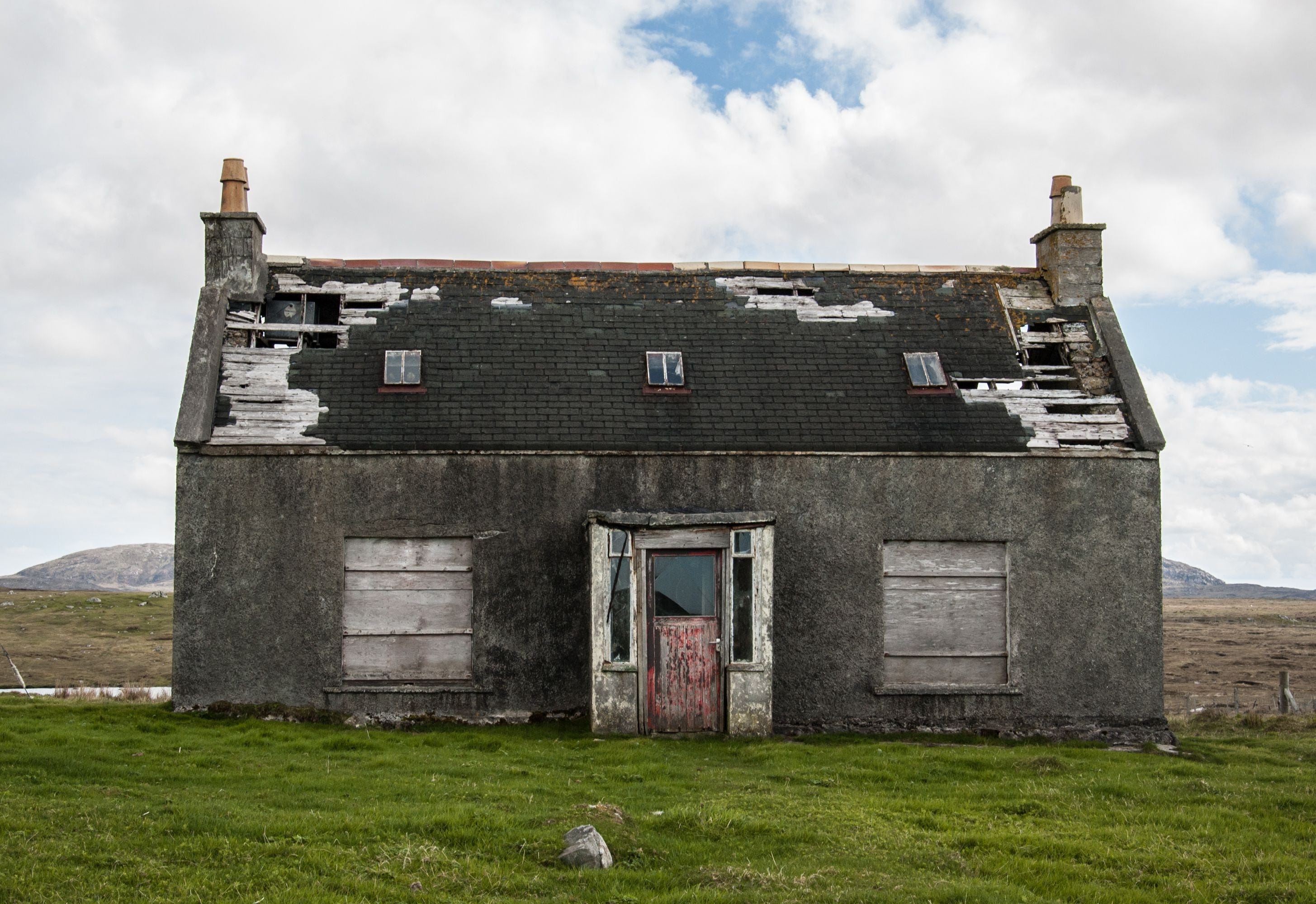
The government pays people to buy old, empty houses and fix them up, so run-down homes get lived in again instead of sitting empty.
The payments are bigger on the remote islands off its coast, and that “island version” is what the 2026 headlines are built on.
But the renewed hype leaves out one thing.
The version of the grant, that pays out the most funds, has barely been used.
Since it opened in June 2023, only 29 people applied and just 20 were approved (as of 2025).
One reason locals give is that you need permission to live in Ireland before the grant is worth anything, and that permission comes from the immigration office, not the housing office that pays the grant.
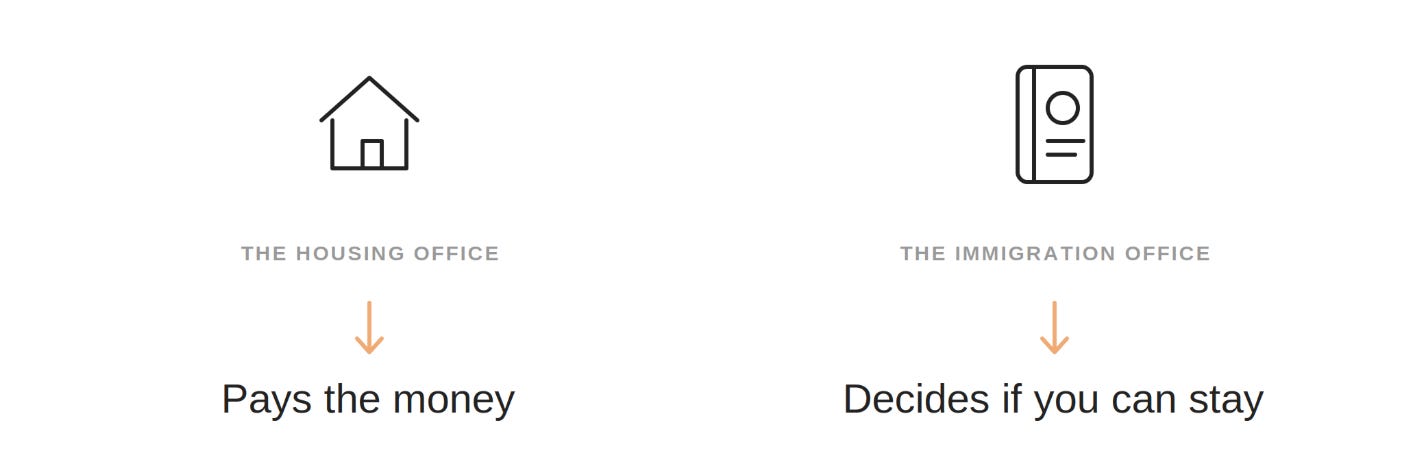
Whether you’re allowed to live in the country is decided by a different part of the government, and its rules may cancel the grant the moment you take it.
I read the scheme rules and the immigration conditions, and wasn’t sure what to make of it.
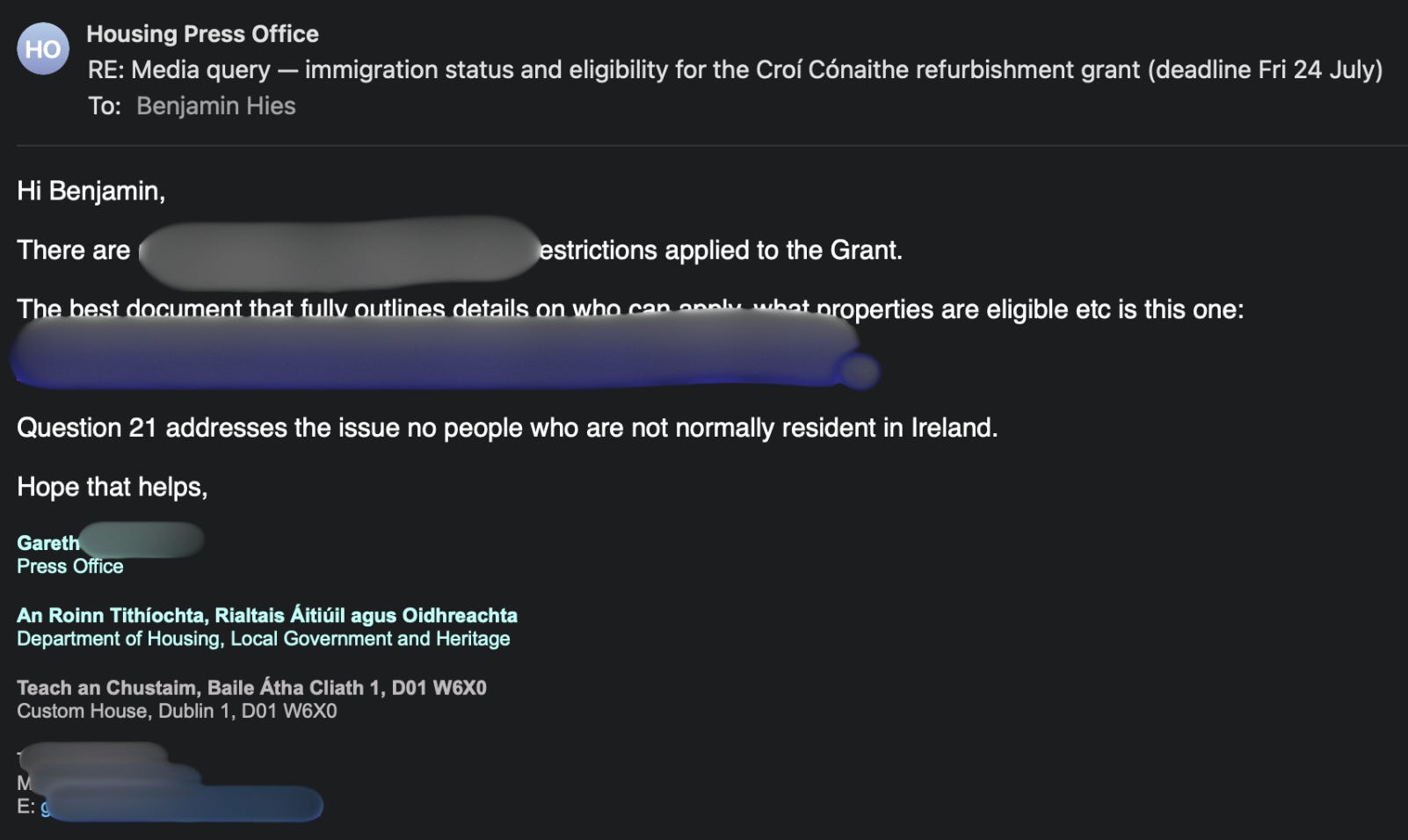
So I put the question to both departments directly.
And one of them answered me within 24 hours.
Here’s what we’ll cover:
Why the $156,000 number some outlets hype is clickbait
What the grant actually pays you, and why it’s (only) a refund
Whether you can use it alongside a visa and actually move there
Whether an American with no Irish passport and no residency can get it
First, what Ireland is really offering.
What the grant actually pays
The real name is the “Vacant Property Refurbishment Grant”, paid through the Croí Cónaithe Towns Fund.
For the purposes of simplicity, let’s just call it “the grant”.
It works like this:
You buy an old, empty house and fix it up, and the government pays you back for part of the cost.
How much do you get paid back?
An empty house = up to €50,000.
A run-down one that needs structural work = up to €70,000.
On the offshore islands, both amounts go up by 20 percent, so a run-down island cottage can reach €84,000, which is about $96,000.
But the government does not hand you a check.
The grant is a refund.
You buy the house first, you pay for the renovation first, and the money only comes back after the work is finished and approved.
Say you buy a run-down island cottage and spend €120,000 fixing it up.
First, you pay all of that yourself.
Then, if everything qualifies, up to €84,000 is reimbursed.
Takeaway: The grant lowers the cost of fixing up an old house, but you pay for everything first and get part of it back at the end.
Where the $156,000 comes from
I saw a bigger number going around.
Some versions of this story promise $156,000, almost double the real island figure.

That number comes from adding the refurbishment grant to Ireland’s separate energy grants for things like insulation and heating, then converting to dollars at a friendly rate.
Technically, you can hold both grants on the same house.
That part is true.
What you cannot do is use both to pay for the same work.
Ireland’s rules are clear:
" […] any home energy upgrade can only be funded by one of the schemes."
Meaning, if an energy grant pays for your wall insulation, the refurbishment grant cannot pay for that same job (and you also have to tell the local authority you're applying for both).
Which is why the $156,000 line is misleading (and quite frankly, clickbait).
Any energy grant you claim has to cover work the refurbishment grant did not, and in a single cottage those jobs overlap heavily.
So the realistic combined total lands well below $156,000, and the honest headline number is still the €84,000 refurbishment grant, which is about $96,000.
Takeaway: You can use both grants on the same house, but not for the same work, so the $156,000 figure double-counts money you are not allowed to claim twice.
Can an American with no visa get it?
Nothing in the rules says you have to be Irish, or live in Ireland, or hold any kind of visa.
On paper, a foreigner with no ties to the country can apply.
But there are two versions of this grant, and the version you use changes the answer completely.