


Istanbul, October 2021.
I flew in for a hair transplant and flew home four days later with a shaved head and a fresh hairline.

The dollar bought 9.2 lira that month.
Today it buys 47.5, more than five times as much.
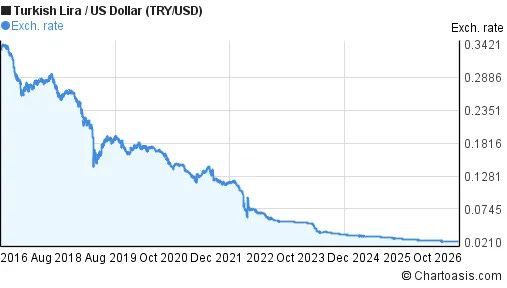
That sounds like good news.
More lira per dollar should mean cheaper rent and cheaper everything else, right?
Unfortunately, no.
Turkish prices rose 31% in the year to July while the dollar gained 17% against the lira, so what you buy in Istanbul got about 13% more expensive in dollar terms.
A collapsing currency might be great for a four-day trip.
It is a problem when your rent and your medical bills are priced in it.
So what happened in Turkey, and what do we know about the new tax deal that made some people say “Turkey is the new Dubai”?
On June 4, 2026, Turkey’s Official Gazette published Law No. 7582, which lets new residents pay zero Turkish tax on foreign income for twenty years and cuts inheritance to a flat 1%.
Twenty years is longer than any offer in Europe.
(By the way, Turkey is only 3% in Europe by land, so don’t think I classify Turkey as a European country.)
But for comparison’s sake:
Cyprus offers a 17 year tax deal (called the “Non-Dom Regime”)
Italy offers 10 years at 7% in southern towns under 30,000 people
Greece offers 15 years at 7% for foreign retirees, anywhere in the country
So 20 years is genuinely long.
But…
I would still pass.
And today I will explain why.
Here is what we’ll cover today:
What Law No. 7582 actually says, including two details most articles leave out
Why the exemption is worth less to an American than to almost anyone else
What you are signing up for when you commit to six months a year in Turkey
Let’s start with the law itself.
What Law No. 7582 actually says
The exemption sits in a new article of Turkey’s income tax code, GVK mükerrer 20/D.
Become a Turkish tax resident, clear a three-year test, and every dollar you earn outside Turkey is exempt from Turkish tax for twenty years.
That covers foreign salary, foreign business profits, dividends, interest, rent on a house in the US, and capital gains in your brokerage account.
None of it goes on a Turkish return.
Turkish-source income however, stays fully taxable.
If you buy an apartment and rent it out, it is taxed at normal rates, so between 15% and 40%.
A residence permit and tax residency are different things, and confusing the two gets expensive.
The exemption is connected to tax residency.
Getting a Turkish residence permit (or a passport) does not exempt you automatically.
What counts is Turkey's tax residency test, set out in Article 4 of the income tax code.
You pass it one of two ways:
A Turkish domicile.
More than six continuous months inside a single calendar year.
The three years before you arrive
You also need to meet two conditions, both measured across the three full calendar years before you become resident.
No Turkish domicile in any of those years.
No Turkish tax liability in any of those years, with one carve-out: prior Turkish tax on rental income, investment income, or capital gains still lets you in.
For example:
If you bought a house in Istanbul in 2019 and have rented it out ever since, you can still qualify for the exemption.