


In 2008 I walked into a Westpac branch in Australia and opened a foreign bank account with nothing but my passport.
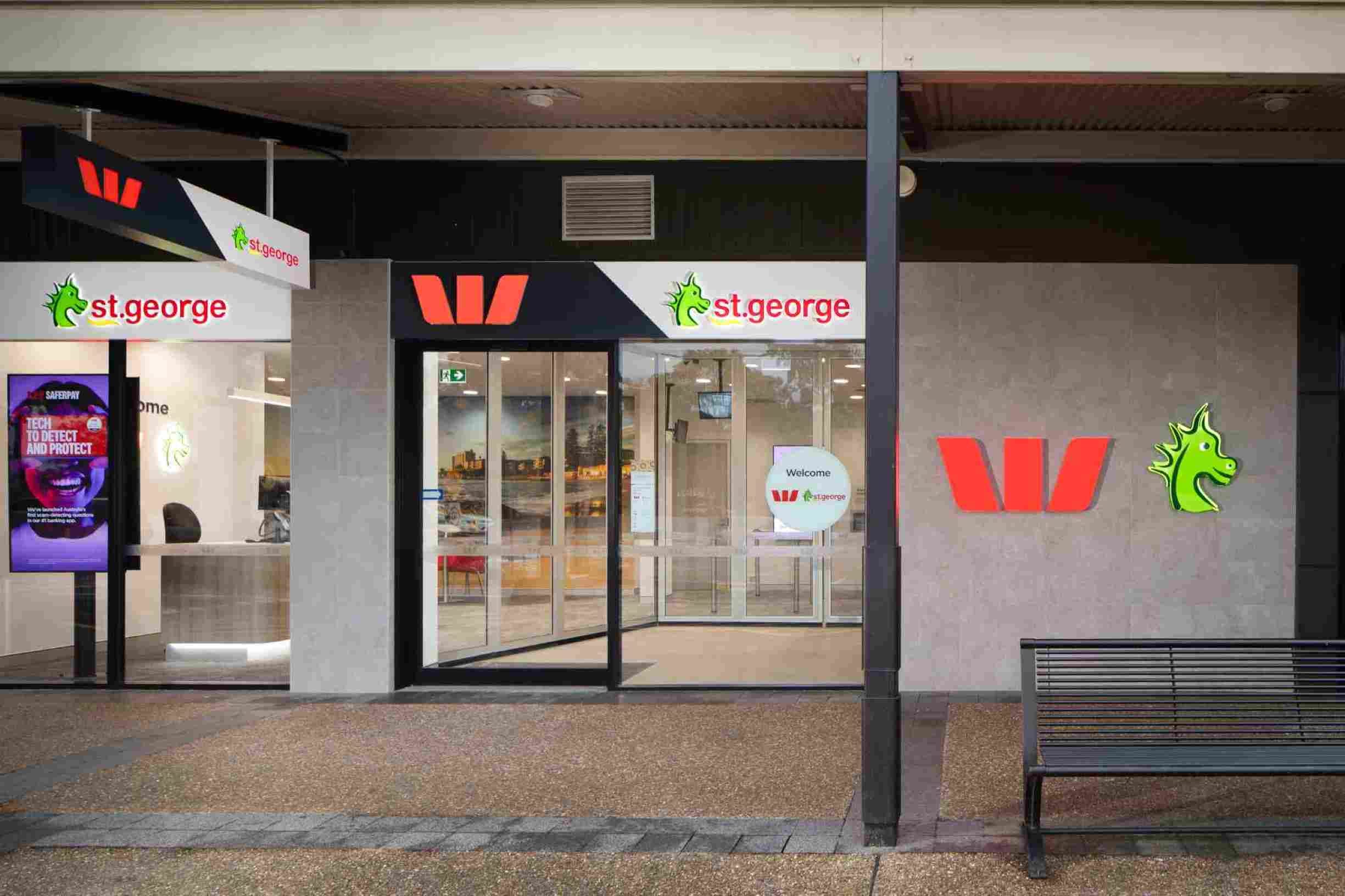
It was easy.
The last business account I opened abroad wasn’t.
I got interrogated:
Where do you pay out to?
Where do your clients come from?
Can you provide another utility bill?
Do you have another online presence?
Why is one character different in two documents?
The account opened, but it took weeks.
I talk to Americans every week who are about to open their first account outside the US, usually the fourth account that sits outside both their home country and the one they moved to.
Some of them have questions prepared.
Others don’t.
So what I usually do is two things:
I give them answers to the questions I would ask
Make sure they understand what each answer means (and why it’s important)
Today, I will point out the 10 questions that I would ask any foreign bank, before opening an account.
Here’s what we’ll cover:
The ten questions I ask a bank before I open anything
What a good answer sounds like, and what a bad one tells you
Why most of them matter after the account is open, not before
We’ll start with the most important one.
#1 Do you accept US citizens?
Ask this first.
Because every other question doesn’t matter if the answer is no.
FATCA makes American clients expensive to serve. The bank has to report your account every year and carry the risk of getting it wrong, so plenty of foreign banks decline Americans rather than deal with it at all.
A yes is great, but not the whole answer.
Some banks take Americans but you still have to visit in person to open the account.
Flying to Panama City or Tbilisi adds a flight and a few nights in a hotel to your opening cost.
You want to hear that 1) you file a W-9 and 2) the interview happens over video.
Takeaway: Ask whether they accept Americans, and whether you need to visit in person to open the account.
#2 What do you do with my money?
Most people ask if the account is insured.
I care more about what the bank does with the deposit.
Insurance funds are small.
The FDIC holds $1.48 for every $100 it insures. That is enough for one bank failing, not a banking system failing.
Insurance also changes how banks behave.
I read a paper from two economists recently (Charles Calomiris and Sophia Chen) who studied banks in a large group of countries. After a country brought in deposit insurance, its banks lent out more and kept less of their own money in the bank.
A bank that knows it is covered has less reason to be careful.
So ask what they do with your deposit.
Then ask for the liquidity ratio, which is how much of the bank’s money is available now instead of lent out.
Takeaway: What a bank does with your deposit tells you more than whether the deposit is insured.
#3 What would make you freeze my account?
Every bank can freeze your account.
And it is always good to know what sets it off.
A bank with a real process will name the triggers, such as: