



I spent my first year abroad wasting money.
Not on experiences or travel, but on avoidable mistakes.
Every expat I met makes some of them.
I made all of them.
They are annoying at 31.
They are expensive when you’re 55 and moving your life savings abroad.
Today I’m sharing the six money mistakes I made as a new expat, so you can skip them:
What I bought in month one that I regretted in month twelve
The email that gave me 30 days to sell everything
A $4,000 mistake I could have easily avoided with better timing
The country where I couldn’t open a bank account at all
The fee I paid once and never again
The fine print nobody told me to read
Let’s get into it.
#1: Overspending On Things You Don’t Need (Yet)
Cyprus 2020.
My first flat abroad needed furniture. So I bought furniture. Nice furniture. A proper couch, a solid desk, a bed frame that wasn’t from IKEA. Nice lamps. A door lock that I can open with my fingerprint.

I wanted it to feel like home.
Twelve months later I left the country.
And I had to sell everything fast. The couch I paid €1,200 for? Sold for €400. The desk? Pennies on the dollar. The bed frame went to a friend for free because nobody wanted it.
I’m not saying live like a monk.
But your first year abroad is a trial run. You don’t know if you will stay in that condo, that city, or even that country. Buying cheap or secondhand or renting fully furnished for year one keeps your options open. You can always upgrade later when you know you’re staying.
Takeaway: Furnish your first year like you might leave. Because you might.
#2: Not Budgeting For Currency Fluctuations
In 2023 I needed €60,000 to buy a condo in Thailand (yes, you can buy a condo in Thailand for that price, but that’s a topic for another article).
The problem:
The baht had dropped to 35 per euro. Normally it sits around 37 or 38.
I did the math after.

At 35:1, my €60,000 got me 2,100,000 baht. At 38:1, it would have been 2,280,000 baht. That’s 180,000 baht I left on the table. Roughly €4,000. Gone. Not because I spent it, but because I needed the money at the wrong time.
Currency fluctuates.
Sometimes in your favor, sometimes against you.
If you know a big purchase is coming, start moving money in smaller chunks when rates are good. Apps like Wise let you hold multiple currencies. You don’t have to convert everything at once. And you definitely don’t want to be forced to convert when the rate is at its worst.
Takeaway: Move money when rates are good, not when you need it.
#3: Assuming Your Home Bank Will Work Abroad
The email came out of nowhere.
My German broker decided they no longer serve clients living in every part of the EU (with few exceptions).
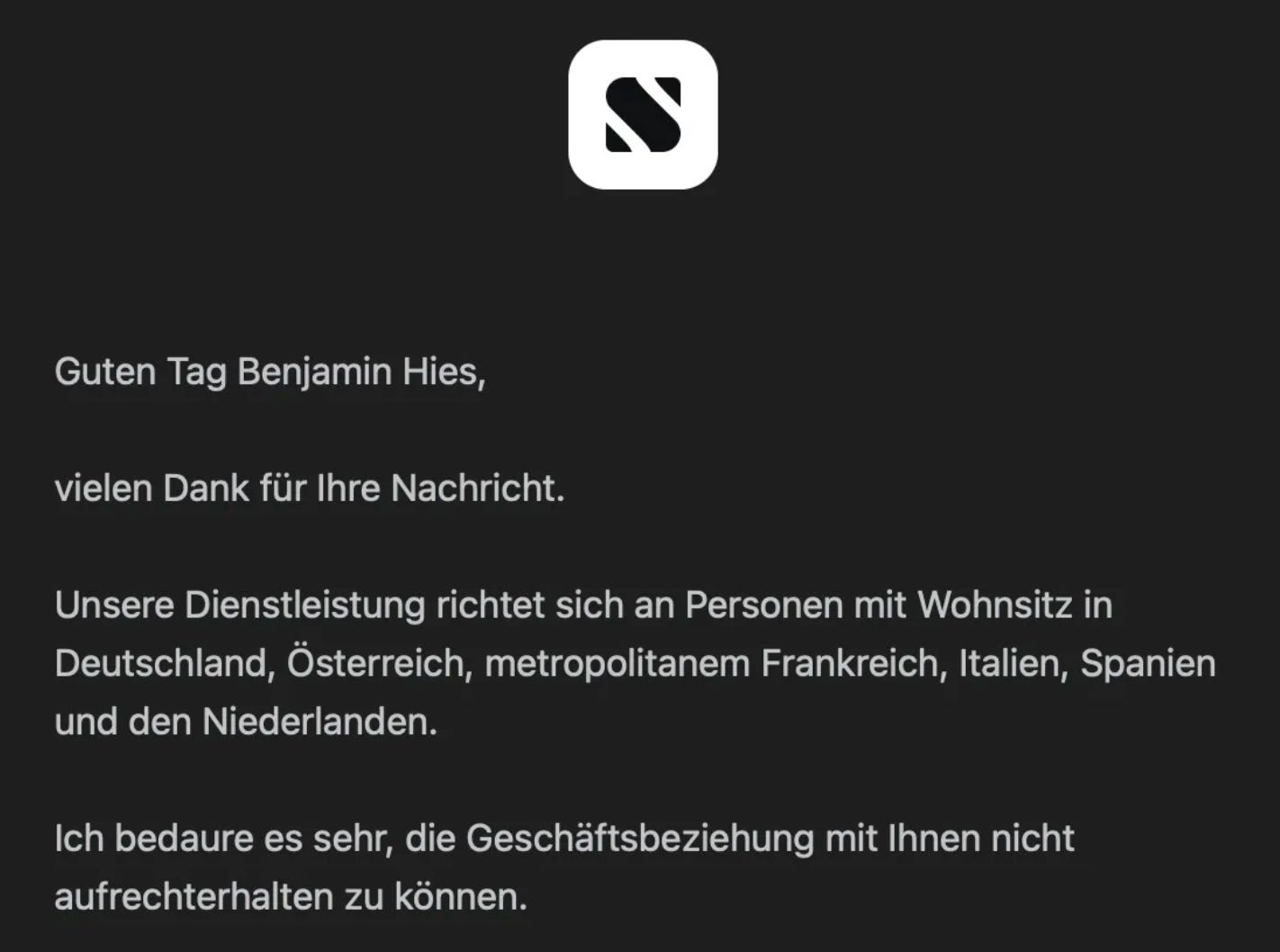
I had 30 days to close my positions and transfer everything out.
Thirty days.
It didn’t matter that some of my stocks were down. It didn’t matter that I’d been a customer for years. The policy changed, and I was out. No negotiation, no exception.
This happens more than you might think.
Banks and brokers have residency requirements buried in their terms. When you move abroad, you’re supposed to notify them. And when you do, some will show you the door. Others will freeze your account until you prove where you live. Before you leave, check every financial institution you use.
Ask directly:
Can I keep this account as a non-resident?
Get it in writing. And have a backup ready before you need one.
Takeaway: Your home country financial institutions can cut you off with little warning. Know their rules before you move.
And also read this, to stay informed:

#4: Thinking Local Expat Accounts Are Easy To Open
I assumed I’d walk into a bank, show my passport, and open an account.
In Cyprus, I couldn’t get one at all.
Every bank I tried had a different excuse. Wrong visa type. Not enough local ties. Come back in six months.
The UAE was easier.
I opened an account within a week. The bank representative even came to my hotel, to hand over the card (!). Thailand took longer, but once I understood the related visa requirements, it clicked. Now I have two local accounts here. The difference was knowing what each country actually requires before walking through the door.
Every country has different rules.
Some want proof of employment.
Some want a specific visa category.
Some want utility bills you don’t have yet because you just arrived.
Research the requirements before you land. Ask other expats which banks are foreigner-friendly. And don’t assume that one rejection means every bank will say no.
Takeaway: Local bank accounts are tricky. Research the requirements before you arrive.
#5: Using Bank Transfers Instead Of Wise
My Wise business account got frozen.
But I needed to send money fast.
So I walked into a transfer shop and wired it the old-fashioned way.
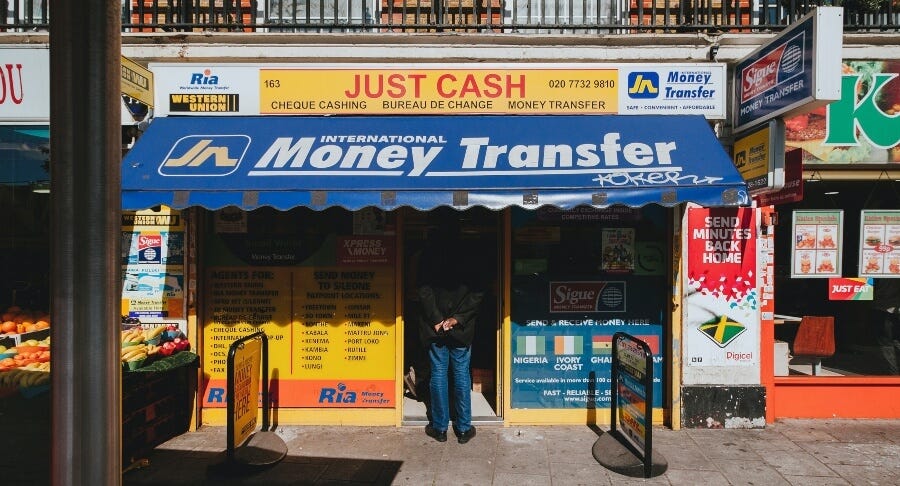
Never again.
The fee was high. The exchange rate was worse. By the time the money arrived, I’d paid nearly double what Wise would have charged. For one transfer. I did it because I was in a hurry and didn’t have a backup. That urgency cost me.
Traditional bank transfers and shopfront services make their money on the spread. The rate they show you is not the rate you get. Wise, Revolut, and similar apps use the real mid-market rate and charge a small transparent fee. The difference on a large transfer can be hundreds of euros. Set up your accounts before you need them. Have more than one option ready. Because when your main option fails, you don’t want to pay “panic prices”.
Takeaway: Set up Wise, Revolut, or similar before you need them.
#6: Having Wrong Expat Insurance Coverage
I had insurance.
I assumed it covered what my German insurance covered.
It didn’t.

Basic international health insurance is not necessarily the same as basic insurance in your home country. The coverage is different. The exclusions are different. What counts as an emergency is different. I learned this when I actually needed to use it and discovered half of what I expected wasn’t included.
The problem works both ways.
Some expats are underinsured and get hit with massive bills. Others are overinsured, paying for coverage they’ll never use in a country where healthcare costs a fraction of what it does back home.
Neither is smart.
Before you sign up, read the fine print. Know exactly what’s covered, what’s excluded, and what the claim process looks like. And check if your destination country even accepts your provider.
Takeaway: Basic coverage abroad doesn’t mean what it means at home. Read every line before you sign.
Conclusion
That’s it.
Six mistakes I made.
Six lessons that cost me time, money, and stress.
You don’t need to make the same ones.
Remember this:
Furnish your first year like you might leave.
Set up Wise and backups before you need them.
Research local banking requirements before you arrive.
Move money when rates are good, not when you need it.
Your home bank can cut you off. Know their rules before you move.
Read your insurance fine print. Basic abroad doesn’t mean basic at home.
Doing it this way will save you time, money and stress.
Thanks for reading and being part of this journey,
— Ben
PS
If you’re an American 50+ and want to retire abroad in the next 0–5 years, and you’re worried about what happens to your money when you leave the U.S. system (taxes, banks, investments), reply to this email with “Money”.
I’ll send you my best resources on how to handle banking and money topics when you retire abroad.
Great article. We experienced a few of these in moving to Costa Rica.
Re furnishing an apartment — really better to rent a furnished place & ship or buy the minimum possible until you’re sure you’re staying. Our first rental included dishes, towels, sheets, everything. It’s actually very liberating to let go of all your old stuff! Or store it, though that’s a money trap of a different sort.
Re bank accounts — CR banks offer accounts in US dollars (our home currency) as well as in colones. Many sales transactions, including real estate, are pegged to the dollar as well. Helps with the currency exchange issue. But your solution to hold target currencies in Wise is a good one too.
Re health insurance, as senior citizens we found the premiums for international policies completely unaffordable at $1100-1200 per month for both of us even with a high deductible. Plus no coverage for pre-existing conditions — & let’s face it, at our age almost everything is pre-existing 😂. We pay cash for private care as needed or use the very good public health system here which costs us $118 per month as residents.
RETIRE. This is a great article! All your articles have been incredibly helpful!