


When I first heard the word “residency,” I had no idea what it meant.
I assumed it was the same as a visa.
Or something lawyers use to confuse people into hiring them.
Then more words started appearing.
Golden visa.
Investor visa.
Retirement visa.
Digital nomad visa.
Center of vital interest.
Each one added another layer of confusion.
I would read one article and think I understood, then read another that used the same term differently.
Eventually I figured it out.
I moved abroad, obtained residencies, dealt with tax filings in multiple countries, and now I help people do the same thing.
But sometimes I forget that people are just starting their journey.
I’ll throw out a term like “Plan B Residency” and assume everyone knows what I mean.
Last weekend, I watched an episode of The Big Bang Theory (one of my all-time favorite shows).
Sheldon was explaining one of his theories in his usual condescending way, and I caught myself thinking:
Am I doing this too?

So I recorded a video explaining the core terms every American should understand before moving abroad. This article breaks down those same concepts in writing.
Here’s what we’ll cover:
The difference between citizenship, residency, tax residency, and money residency
Why these can all be in different countries (and why that matters)
Some tangible examples of what those terms mean in practice
Watch the video below, or keep reading for the written version.
The Terms Everyone Should Know
Let’s start with the basics and work up from there. Six terms, each one building on the last.
Citizenship
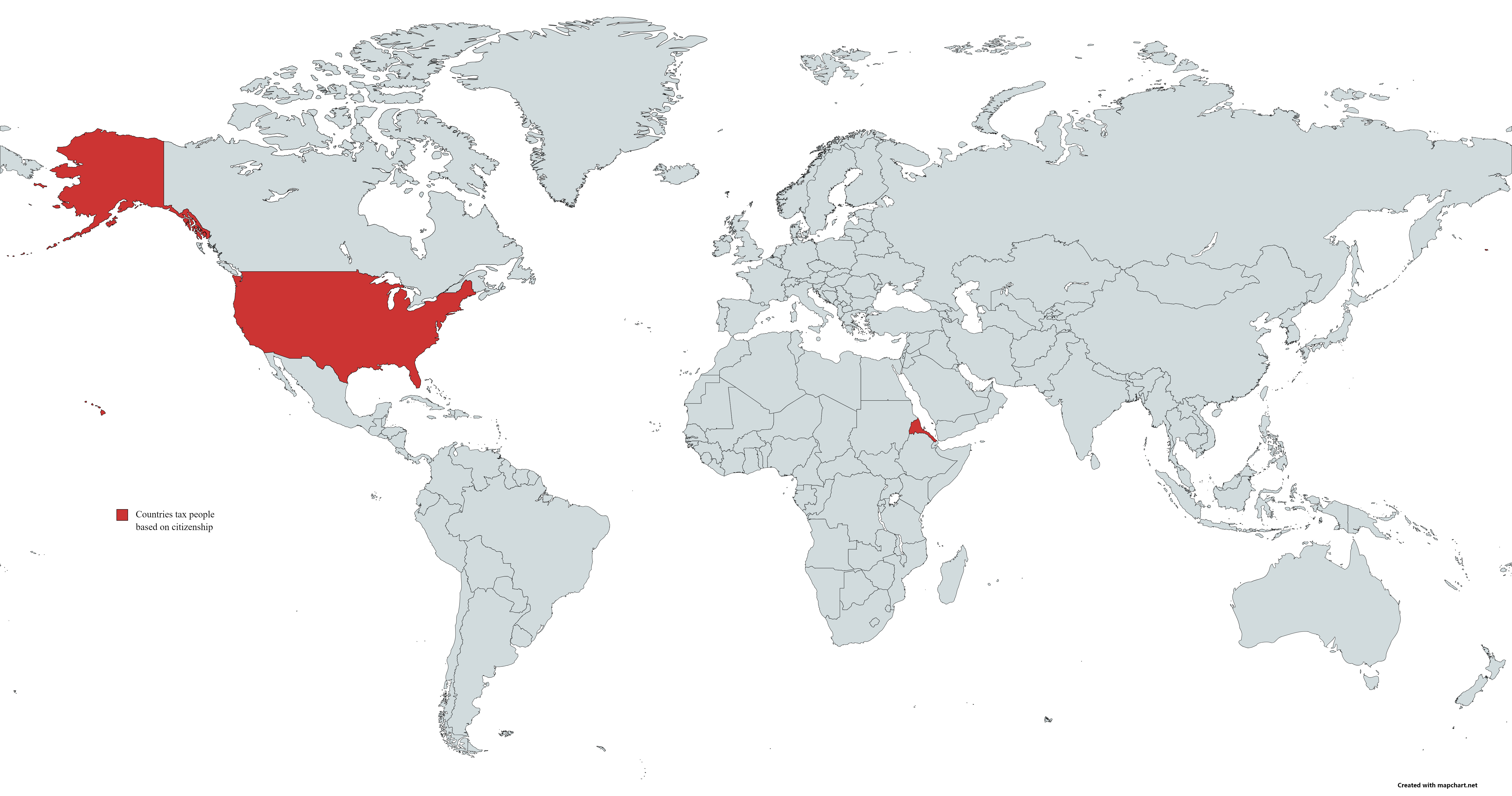
If you have a US passport, you file US taxes no matter where you live.
This is the American reality. Most countries only tax you if you live there, while the US taxes you because you’re a citizen.
This is called “Citizenship Based Taxation” and only applies in two countries in the world (the second one being Eritrea).
Primary Residency
This is where you actually live.
If you move to a country, spend most of your time there, build your life there, that’s your “primary” residency.
When you establish primary residency somewhere, you’ll usually become a tax resident of that country too (although not always).
Plan B Residency
A Plan B Residency is one you can “keep in your back pocket”.
You obtain the residency, maybe spend a week in the country going through the process, get your residency card, and leave.
The country says:
“No need to stay here full-time. But when you want to come back, we’ll take you.”
The key difference from primary residency is the presence requirement.
A good Plan B Residency doesn’t force you to spend 6 months a year maintaining it.
You hold it until you need it.
And if things go sideways at home, you have somewhere to go.

Tax Residency
Tax residency determines where you owe taxes based on where you live.
Most people know the 183-day rule: spend more than half the year in a country, become a tax resident.
But that’s not the only “trigger”.
Several countries also use domicile rules and something called the “center of vital interest” test.
Germany, for example, can claim you as a tax resident if your family lives there, even if you personally stay under 183 days.
Other factors that can trigger tax residency:
Business ties.
Owning property you have access to.
Where your closest personal relationships are.
If you move to a country that has a tax treaty with the US, the treaty explains how different income sources get taxed (Social Security, pensions, rental income, dividends).
The goal is to avoid paying taxes twice on the same money.
It gets complicated fast, which is why most people shut down when it comes to the topic of taxes (I love it).
Money Residency
Guess what: your money can live in a completely different country than you do.
You can be a US citizen, live in Portugal, and keep your bank accounts in Switzerland.
Some people set this up for banking access, currency diversification, or because they are concerned about leaving their hard earned assets with an unpredictable regime.
It adds complexity, but it can also give you peace of mind.
If you want to hear me explain all of this out loud, I recorded a short video walking through each term.
You can find it here.

PS
If you are an American 50+ and want to move abroad within the next 0-5 years, and don’t want to navigate healthcare, banking, visas, taxes and country selection by yourself, reply to this mail with “RETIRE”.
You’ll get an invite to the “Retire Abroad Priority List” with some of my best tactics for retiring abroad.
RETIRE
Retire