


Spain put the work ban in the name of the visa.
“Non-lucrative” means exactly that.
No local job, no business of your own, no freelance clients, and no remote work for a US employer.
Italy and Greece wrote the same rule into theirs.
The visa type is important if you plan to keep earning after you move.
On 4 of the seven visas in this article, that income is legal, and the right to work is written into the law.
On the other 3, the same income is a reason to refuse your application or your renewal.
I compared four of these visas before in The 4 Best Retirement Visas In Europe.
This article asks one question of each:
Can you keep working?
Here’s what you’ll find for each:
The income you need to qualify
What you are allowed to do for work
One important thing to know before you apply
Let’s get started.
#1 Portugal (D7 visa)
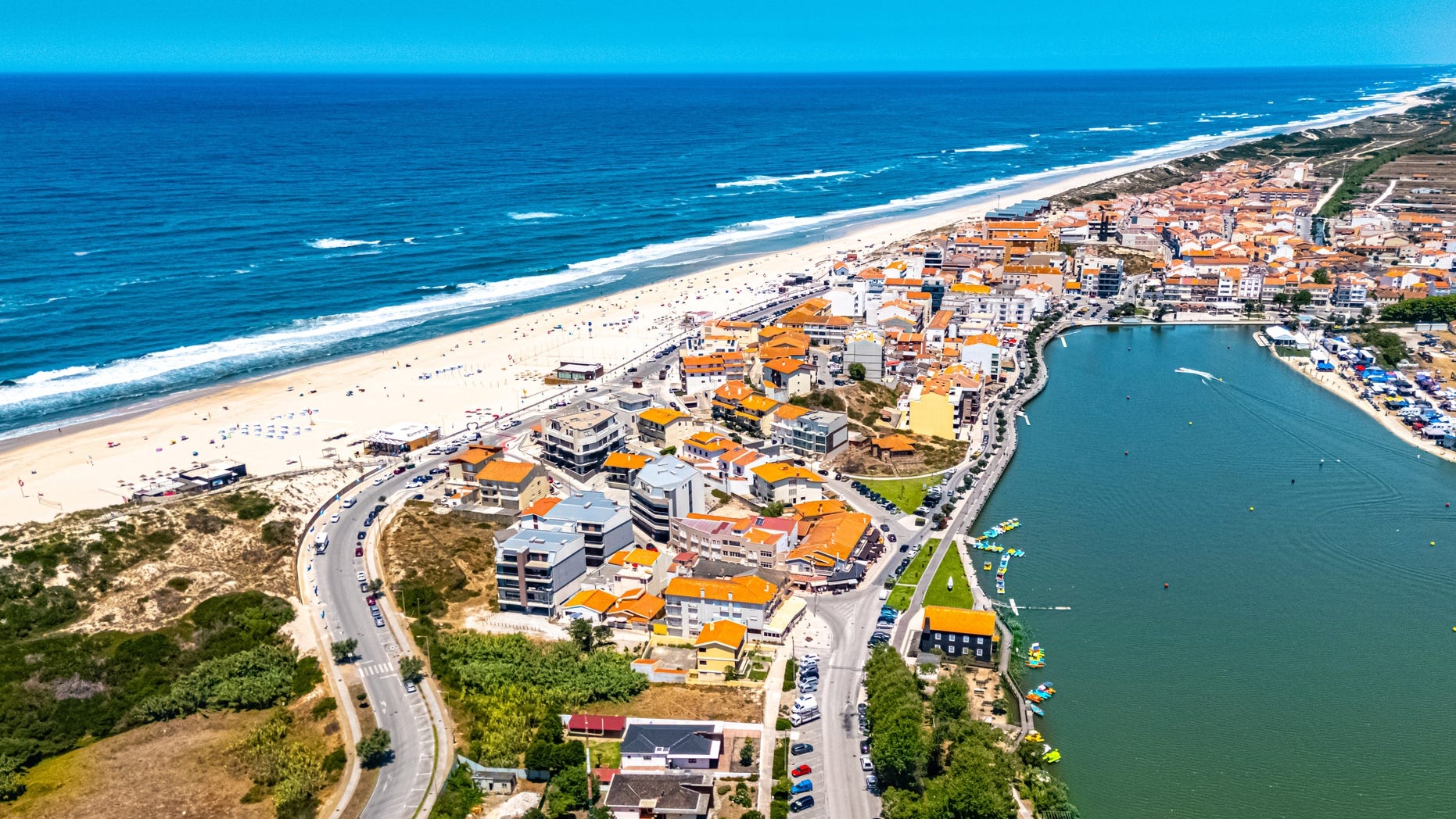
The D7 is Portugal’s visa for people who live on passive income.
Pensions, Social Security, dividends, rental income.
Portugal also wrote the right to work into its immigration law.
Article 83 of Law 23/2007 gives every holder of a residence permit the right to employed work and to self-employed work.
I covered the application step by step in How To Get Residency In Portugal.
Income requirement:
€920 per month for the main applicant, which is Portugal’s 2026 minimum wage
Add 50% for a spouse (€460) and 30% per child (€276)
The income has to be passive. A salary or freelance income does not count toward the €920.
What you can do for work:
Local job: yes, for a Portuguese employer, with a normal employment contract
Your own business or freelance work in Portugal: yes, after you register the activity with the tax office (Finanças)
Remote work for US clients or a US employer: yes. The law gives you the right to work and does not restrict where your employer or your clients are.
One thing to know:
Working makes you a Portuguese taxpayer on that income once you live there more than 183 days a year.
Takeaway: You qualify with €920 a month in passive income, and once you hold the residence permit you can work for anyone, anywhere, and Portugal taxes it.
#2 Uruguay (permanent residency)

Uruguay has no separate retirement visa.
You apply for permanent residency directly, whether you are a retiree, live on investment income, or plan to work. It is the same application.
Decree 394/009, Article 44, says permanent residents are authorized to work in Uruguay.
I interviewed a Uruguayan immigration attorney about the process in What Americans Get Wrong About Moving to Uruguay.
Income requirement:
No fixed amount in the law. The rule says your monthly income has to be enough to support yourself.
In practice, immigration lawyers file retiree applications with about $1,500 a month in pension or passive income.
You prove it with notarized income certificates or a work history.
What you can do for work:
Local job: yes, with a Uruguayan employer
Your own business or freelance work in Uruguay: yes, after you register as self-employed
Remote work for US clients or a US employer: yes
One thing to know:
Uruguay taxes income from work you physically do in Uruguay, even when the client or employer is in the US. The rates run from 10% to 36%.
Takeaway: You get permanent residency on your first application, and once it is approved you can work for a Uruguayan employer, for yourself, or for clients back in the US.
Thinking of moving money out of the US?
Check out “The Untouchable Account Guide” to see which options are open to you.