


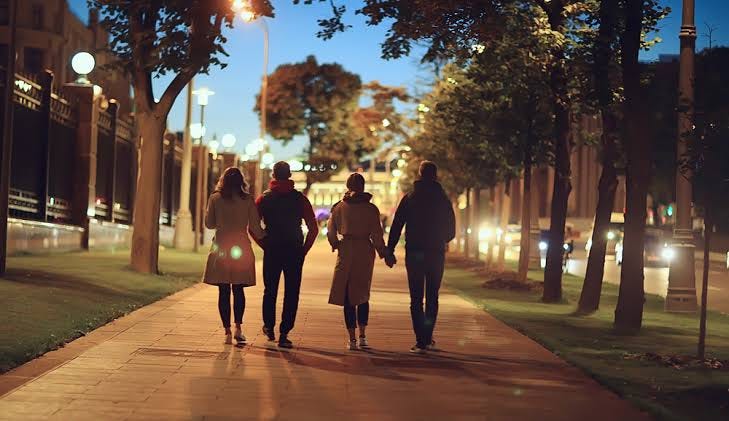
What safety feels like
Safety is a day when nothing happens.
You leave your phone on a café table while you order, and it’s still there when you come back.
The neighbor’s kid takes the bus to school alone.
You walk home at 11 p.m. and don’t think about which street you take.
Fewer places feel like that every year.
The Global Peace Index 2026 came out in June, and it shows the world getting less peaceful for the 12th year in a row.
This guide points you to the five countries at the top of that index.
Who this guide is for
You want calm days and clear rules.
You want healthcare you can trust and streets where you can walk at night.
You’re planning to retire abroad in the next few years, and safety sits on your list next to cost and climate.
How I chose the 5
I started with the Global Peace Index 2026 and took the top five.
Then I checked each country on crime, healthcare, rule of law and natural disaster risk.
I also looked at whether an American can get legal residency there, and how hard that is.
Some of these countries don’t make it easy, but you can still get in if you plan well and pick the right route.
Two countries are new this year, and we will look at them at the end.
The safety criteria
Six criteria:
Peace and stability: Is the country calm at home and with its neighbors?
Everyday safety: How much street crime is there, and do you feel fine walking home at night or riding the train?
Healthcare and resilience: Can you see a doctor quickly, and does the system hold up in an emergency?
Governance and trust: Do the courts and police work, and is corruption low?
Natural risk: Earthquakes, volcanoes, storms and floods, and how well the country prepares for them.
Visa practicality: Is there a clear legal way for you to stay, and how hard is it to get?
The list starts with the most peaceful country in the world.
1) Iceland
Safety ranking: #1 on the Global Peace Index 2026, for the 19th year in a row.
Street crime is rare, and people trust the police and each other.
Reykjavik is the capital, and it has most of the jobs, flights and culture.
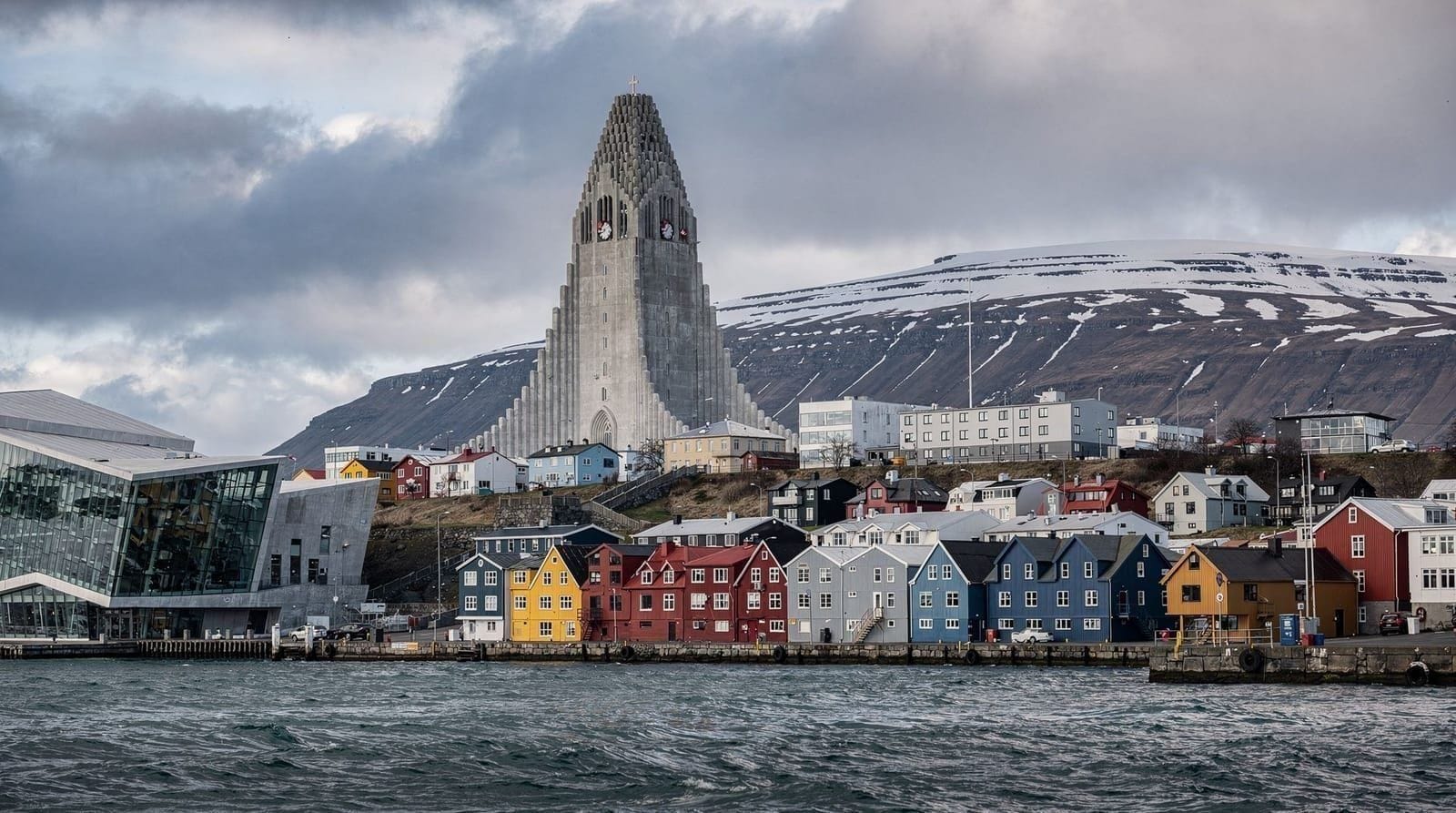
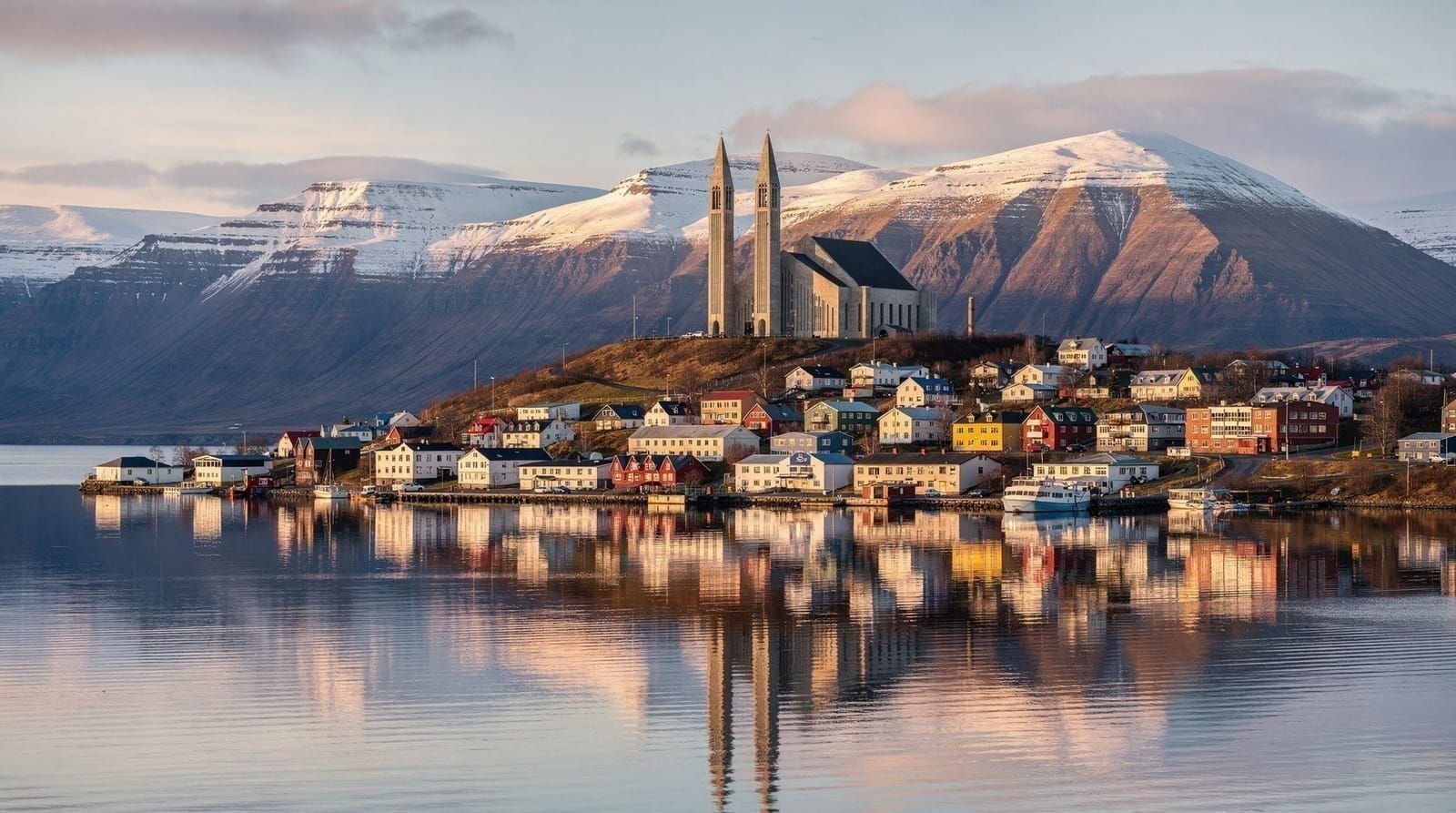
Akureyri in the north is smaller and quieter.
Most people speak English.
Costs are high.
Rent and groceries will stretch your budget, and in return the public services work.
Healthcare is public and well organized.
The main natural risk is volcanoes.
Since December 2023, lava has erupted nine times near Grindavík, a town less than an hour’s drive from Reykjavik.
Getting residency is hard for Americans.
Iceland has no retirement visa.
Most people from outside Europe come for a job, to study, or to join family.
The remote work visa lets you stay 180 days if you earn ISK 1,000,000 a month (about $8,300), but you can’t extend it, and it doesn’t lead to residency.
If you also hold an EU passport, you can move under free movement rules.
My view: Iceland is a great place for a long summer, and a hard place to retire unless you have an EU passport or family there.
2) New Zealand
Safety ranking: #2 on the Global Peace Index 2026.
Street crime is low, and the country is far from any conflict.
Auckland has the most jobs and flights.
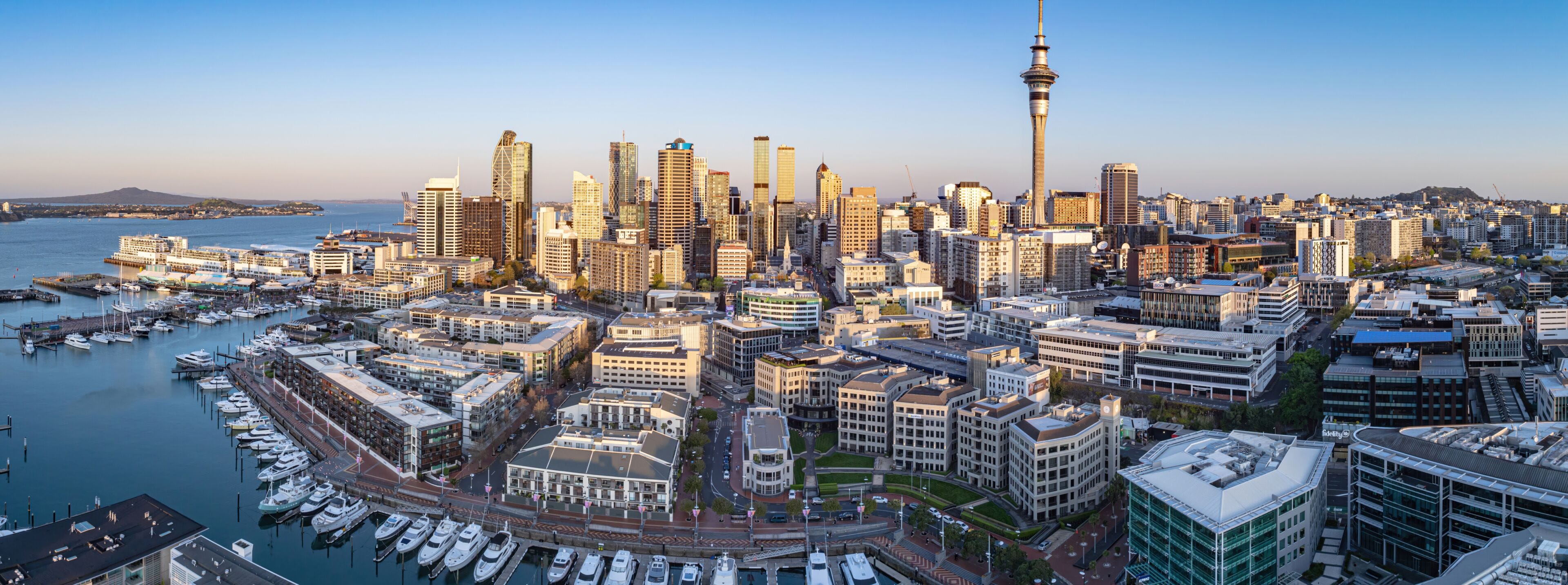
Wellington is the capital, and it’s small and walkable.
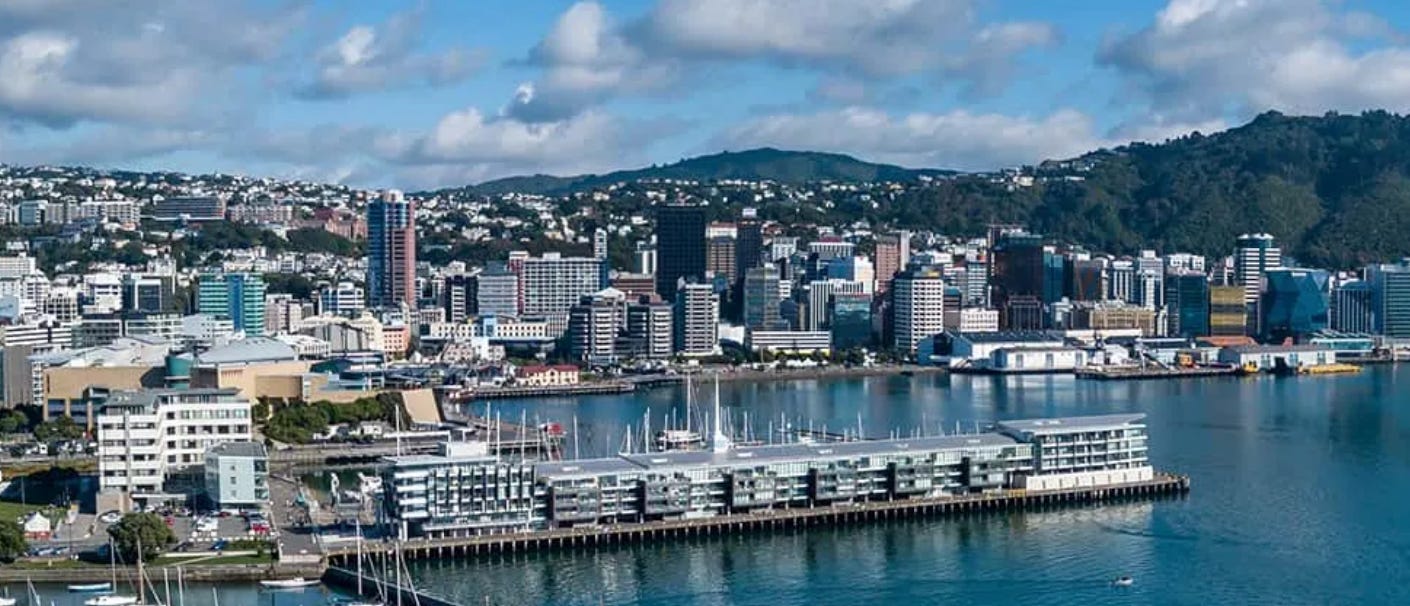
Like Iceland, New Zealand is not cheap.
Housing and groceries cost as much as in the US, or more.
New Zealand has a retirement visa, but few people can use it:
You must be 66 or older.
You have to invest NZ$750,000 in New Zealand for two years.
You also have to show NZ$500,000 to live on and NZ$60,000 a year in income.
The visa lasts two years.
You can apply again, but it never turns into residency.
Also, you also need your own health insurance for the whole stay.
One of my clients took New Zealand off her list for exactly this reason.
My view: New Zealand works if you’re 66 or older and can meet the visa’s money rules. For everyone else, it’s a place for a long visit, not a place to retire.
3) Switzerland
Safety ranking: #3 on the Global Peace Index 2026.
Switzerland has been officially neutral since 1815.
Trains leave on time, and the streets are clean.
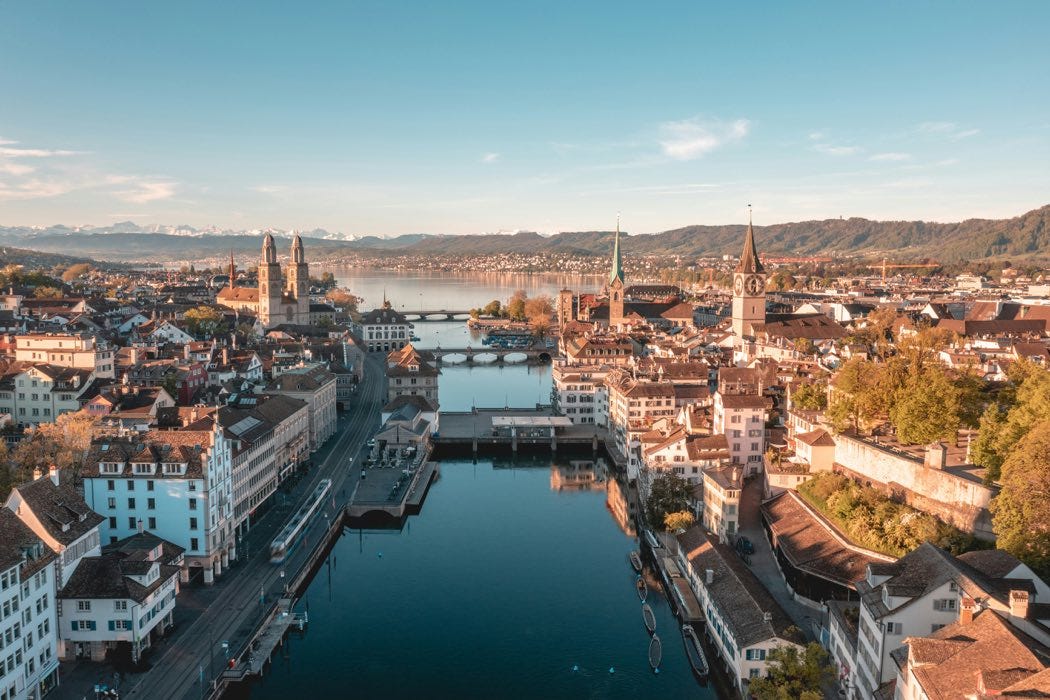
Zurich and Geneva have the most jobs and international flights.
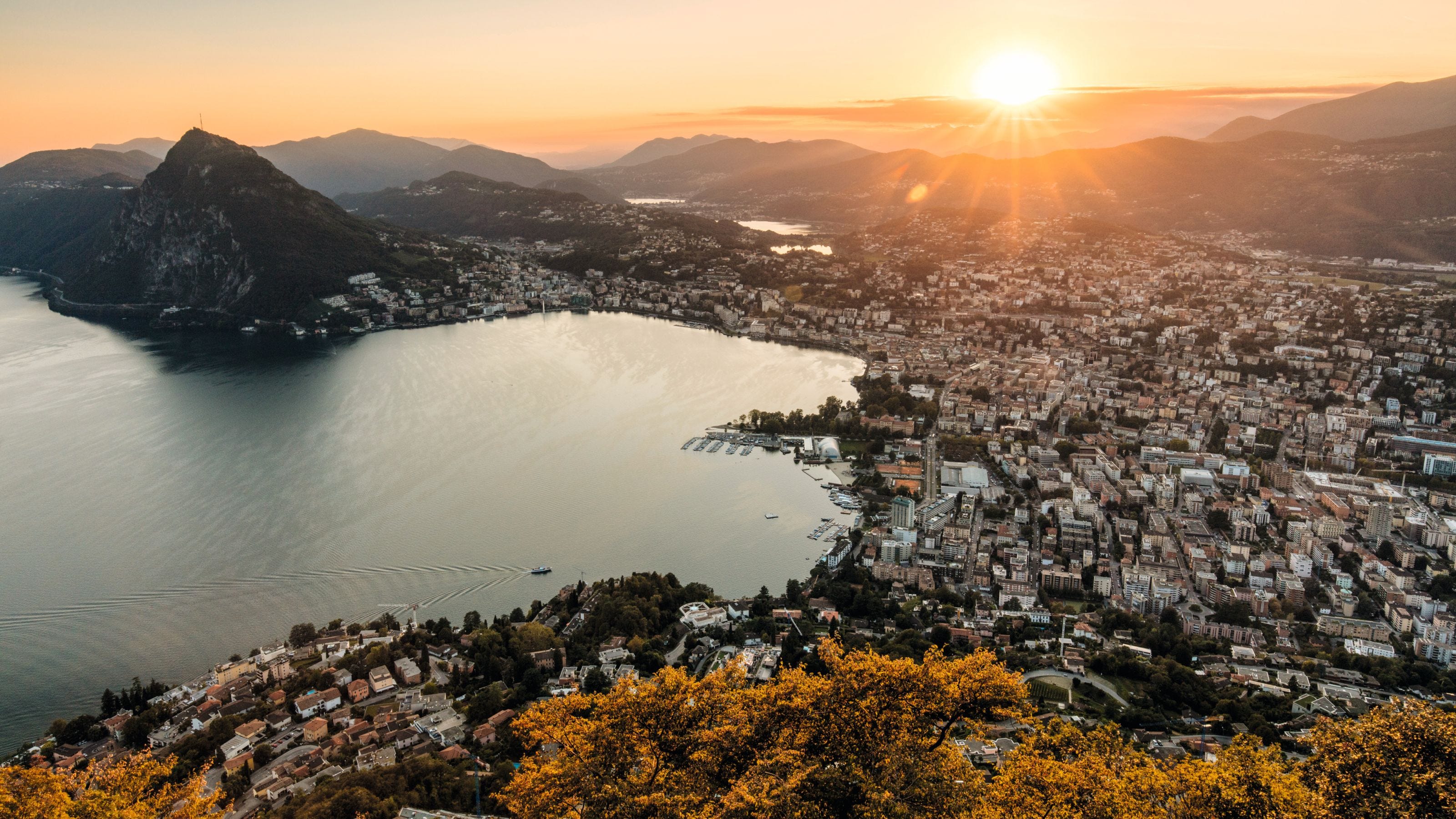
Lugano, in the Italian-speaking south, is warmer and slower.
Switzerland is one of the most expensive countries in the world.
Health insurance is private, required by law, and you pay for it yourself.
Switzerland has a retirement permit for people from outside the EU:
You must be 55 or older and no longer working.
You have to show enough money to live without public support.
You also have to show personal ties to Switzerland, and each canton decides what counts.
Switzerland has to become your main home, which usually means at least 183 days a year there.
Once you meet the criteria, you can get a B permit that you renew every year or two.
As an American, you can apply for permanent residency (the C permit) after five years.
My view: Switzerland works if you’re 55 or older, have the money, and already have a real connection there. Without that connection, keep your money in Switzerland and live somewhere else. Read about how one of my clients did it here.