


In June, I made the case for a fourth bank account, one that sits outside the US and outside your new country.
Since then, the same question keeps landing in my inbox:
Fine Ben, but where?
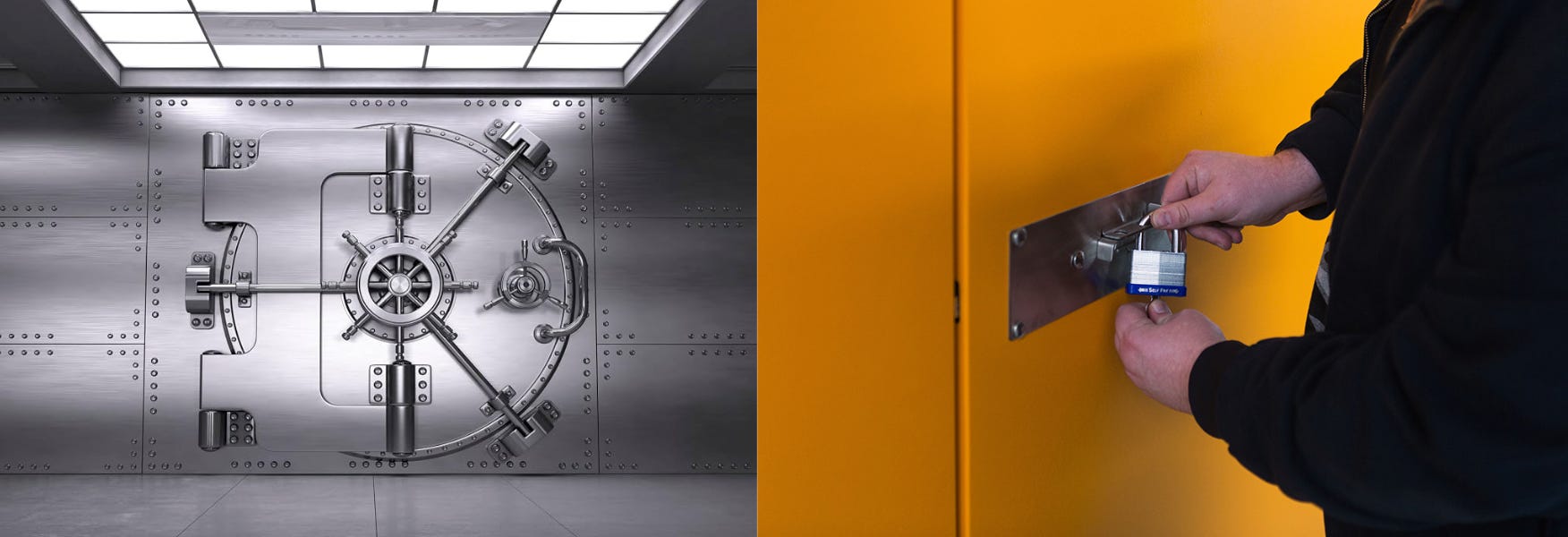
“Offshore” covers everything from Liechtenstein to Belize, and the difference between those two is the difference between a vault and a storage unit with a padlock.
So today I’m ranking.
(One of my favorite things to do.)
Three countries where savings are safer than anywhere else on earth, measured by things you can verify:
Currency
Bank capital
Track record
Government debt
Deposit protection
But the safest jurisdictions are also the hardest ones for Americans to enter.
After FATCA passed in 2010, most of the world’s best banks decided American clients weren’t worth the paperwork.
There are still ways to get in, though. “Hard” doesn’t mean “impossible”.
Here’s what we’ll cover today:
The three countries, ranked, with the numbers behind each one
Will they actually take you as an American citizen
What it takes to get in, and which paths are still open
Let’s start.
The filter that eliminates the usual suspects
Every “safest banks” list starts in the wrong place.
They score capital ratios and credit ratings, and those matter.
But none of them ask the question that decides everything for you:
Will the bank take an American?
Use that filter, plus the five criteria from above, and see what is left.
Luxembourg is probably one location everyone expects to see in this ranking.

AAA rated, more than $8 trillion parked in its investment funds, the largest fund center in the world after the US.
All true, and none of it helps you.
Luxembourg is built for institutions.
The $8 trillion belongs to pension funds and ETF providers, not to people with bank accounts, and there is no practical path for an American retiree.
On paper, Luxembourg is one of the safest places in Europe. In practice, it is very hard to get in.
Another one I often hear people mention is the infamous “Cayman Islands” account.
But the Caymans have the same problem as Luxembourg.
They are built for institutions.
Most of the world's hedge funds are (legally) parked on the islands, while personal banking for a foreign retiree barely exists.
A jurisdiction that has no use for your kind of money has no place in this ranking.
Which leaves us with a short list.
Countries with their own rules, strong currencies, banks holding capital far above the required minimums, and at least one working path for US citizens.
Takeaway: The usual suspects are safe places for money. Just not for yours.
#1 Switzerland
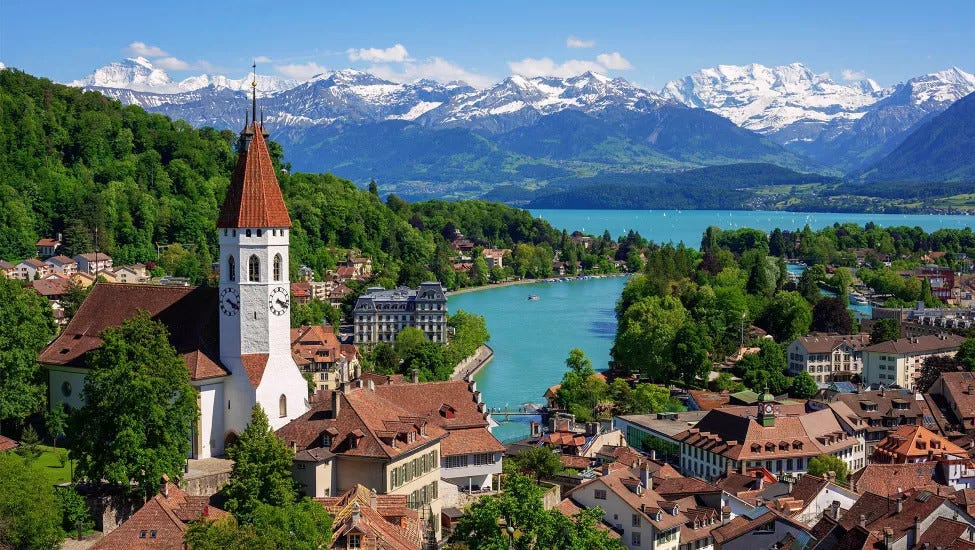
Switzerland has not fought a war since 1815.
Two hundred and eleven years of staying out of everyone’s craziness, and by now, it has something to show for it.
When the world gets nervous, money moves to Zurich.
Start with the currency.
In 1970, one dollar bought 4.3 Swiss francs.
Today it buys less than one.
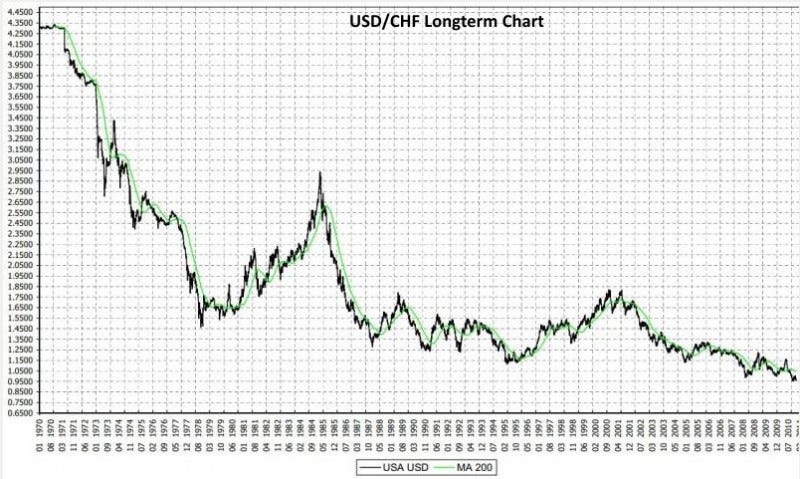
The franc gained another 13% on the dollar in 2025 and hit an 11-year high this year.
Call the franc boring, but when I hear “boring” and “money” in the same sentence, it is music to my ears.
The foundation is just as solid:
Government debt below 40% of GDP (the US is above 120% and climbing)
Deposit protection of CHF 100,000 per client per bank, funded by the banks themselves
Bank capital requirements stricter than the international minimums, known in the industry as the “Swiss finish”
“Swiss finish” is a financial term for when Switzerland creates banking regulations that are much stricter than global rules. Think of it like a country taking standard safety laws and making them extra tough to protect its own economy from giant bank failures.
And the system has been tested, recently.
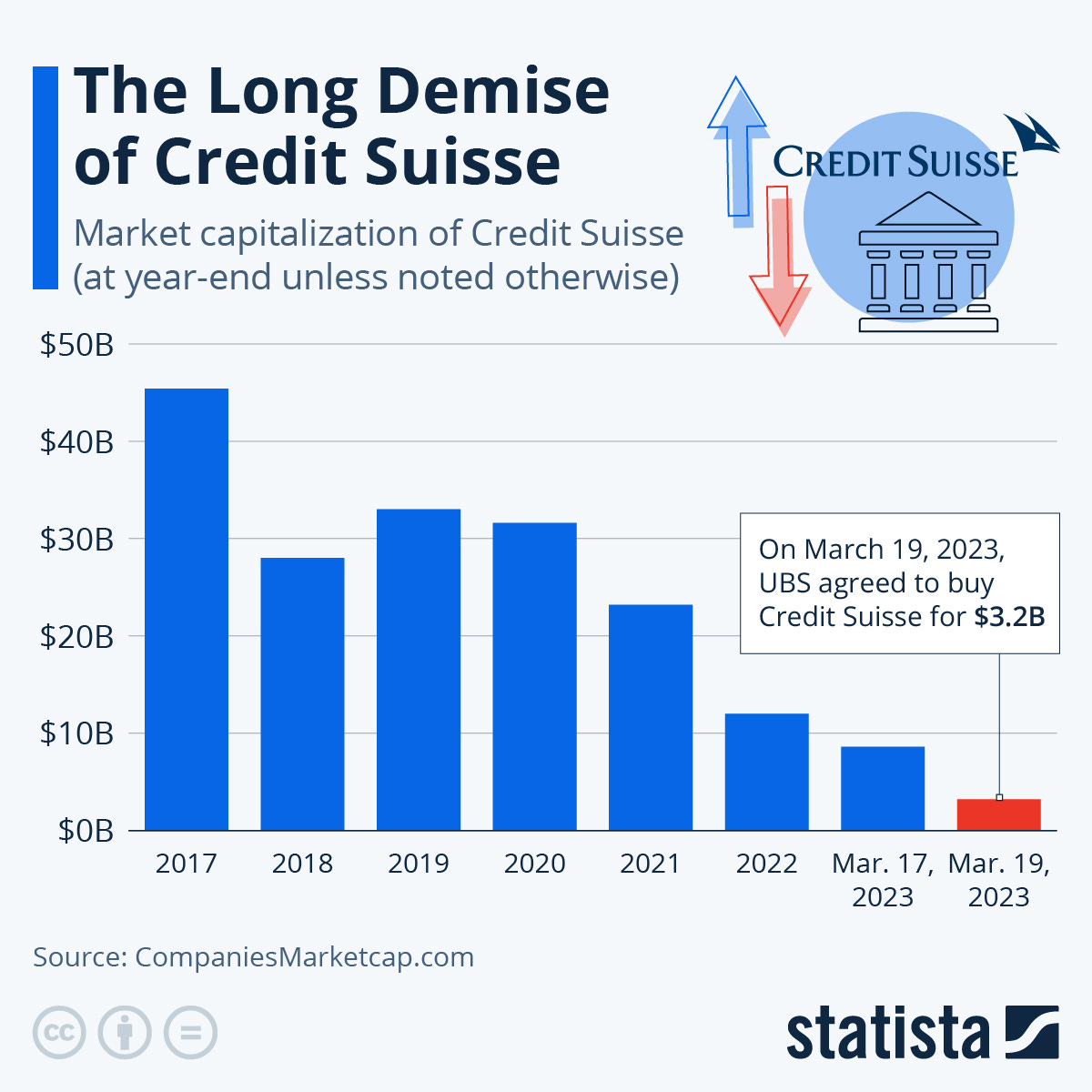
In March 2023, Credit Suisse, 167 years old and the country’s second-largest bank, went down in a single week.
Here is what happened to depositors:
Nothing.
UBS absorbed the bank over a weekend, accounts kept working, and not one depositor lost a franc.
Shareholders and bondholders paid the bill instead, including $17 billion of wiped-out bank bonds.
Now the problem.
Walk into a Swiss private bank on your own with a US passport, and the answer is usually no.
Money does not fix it.
One of my clients tried recently with $3 million, and still got complimented out of the door.
A small group of Swiss firms exists specifically to bring in American clients, and the right one walks you through the institutional entrance.
I wrote about how that access works in How The Swiss Stay Rich.
The problem is that from the outside, these firms are nearly impossible to tell apart.
Some are excellent.
Some are paid by the banks they recommend, which means they work for the bank and not for you.
If you want a Swiss setup without guessing which firms actually work for you, this is what I help clients with.
And you do not need to be “ultra-rich” for any of this.
A managed Swiss setup becomes realistic from about $1 million, far below the numbers most people imagine when they hear “Swiss private bank.”
Takeaway: Switzerland survived the demise of its second-largest bank without a single depositor losing a franc, but accessing Swiss private banks is incredibly hard.
#2 Singapore
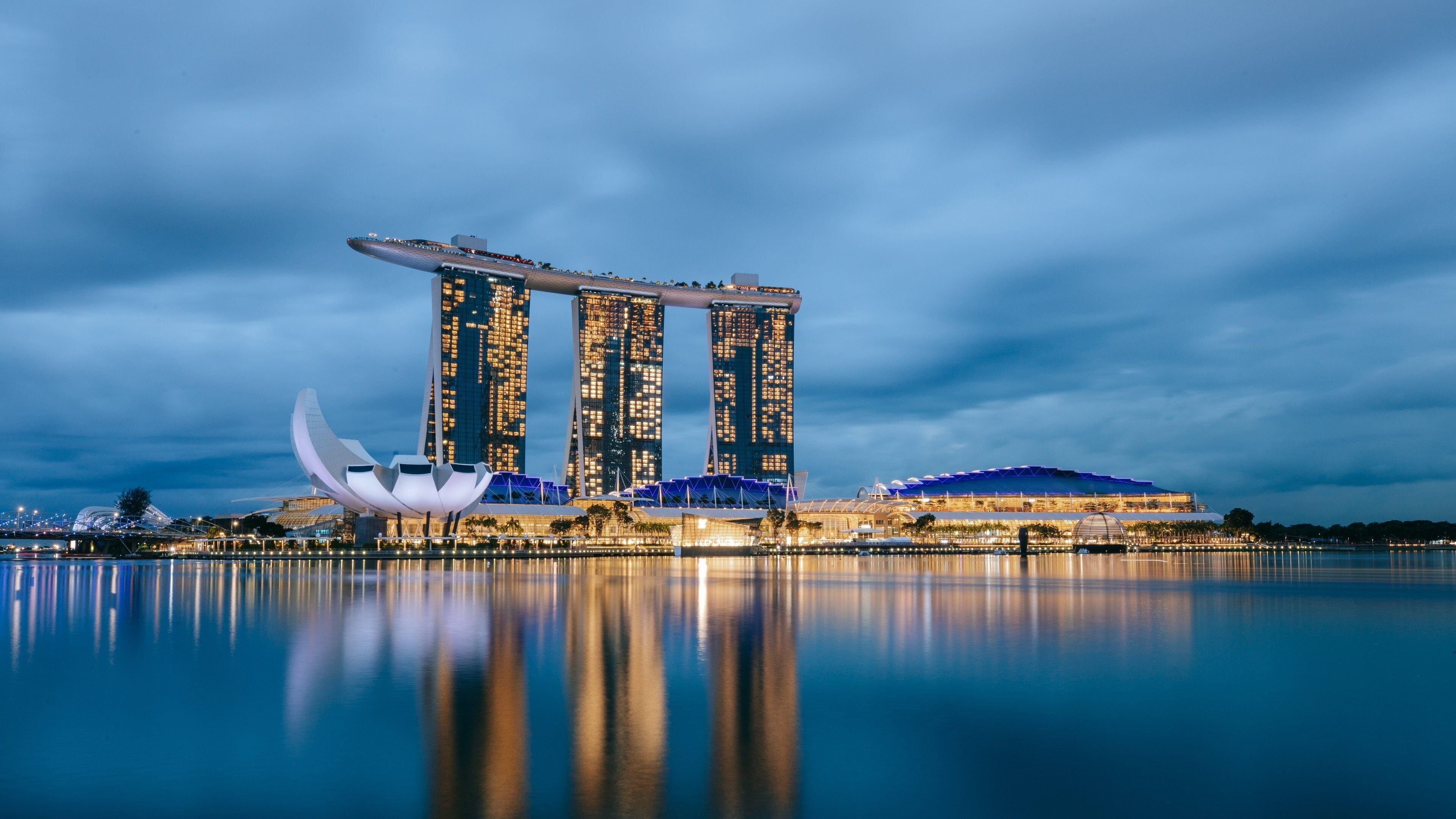
Singapore is the only country in Asia rated AAA by all three major rating agencies.
The US lost its unanimous AAA in 2011. Singapore still has one, and only around ten countries on earth can say that.
The government spends less than it earns, the regulator (MAS) is the strictest in Asia, and behind the state sit official reserves of roughly US$380 billion plus two sovereign wealth funds, one of which is so discreet it has never published its size.
The currency (SGD) is strong.
In the early 1980s, one US dollar bought 2.2 Singapore dollars. Today it buys about 1.3.
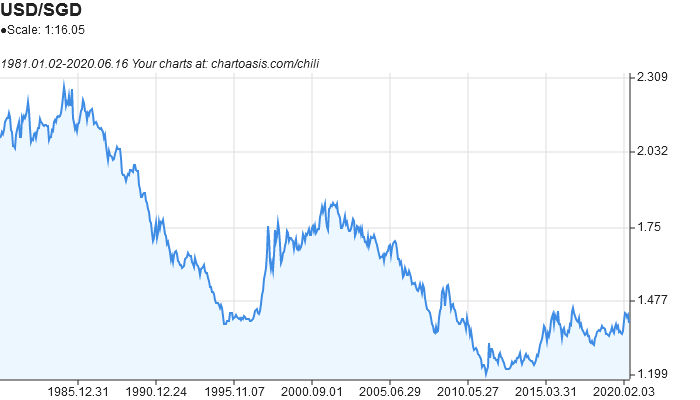
Four decades of slow, deliberate appreciation, managed by a central bank that treats stability as the product.
The numbers for you to check:
AAA from S&P, Moody’s, and Fitch, the only such rating in Asia
Deposit insurance of S$100,000 per depositor per bank (raised in April 2024)
DBS, the country’s largest bank, named Asia’s safest bank by Global Finance 16 years in a row
And now some history, on how the system performed under pressure.
When the Asian financial crisis tore through the region in 1997 and broke the currencies of Thailand, Indonesia, and South Korea, Singapore needed no IMF rescue and lost no banks.
Remember 2008, when Washington bailed out Wall Street?
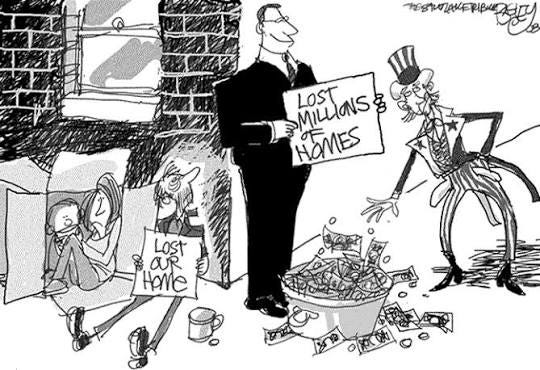
Singapore’s banks required nothing.
And again, the practical reality.
Out of the three countries in this ranking, Singapore is the hardest for Americans to use.
Most banks decline US persons at the retail level.
I’m not saying it’s impossible, but this is the hardest route out of the three.
One thing to know is that the deposit cap here is the lowest of the three.
The Swiss and Liechtenstein schemes both cover CHF 100,000, which is roughly US$120,000 at today’s rates, while Singapore’s S$100,000 works out to about US$75,000.
The counterweight is the capitalization of the banks themselves, which is why they top the safety rankings year after year.
And just for the record, I would always look at capitalization of a bank first, before any “paper promise” like deposit insurance or FDIC rules.
But that’s just me.
Takeaway: Singapore gives you Swiss-grade safety on the other side of the planet, if you can get in.
#3 Liechtenstein
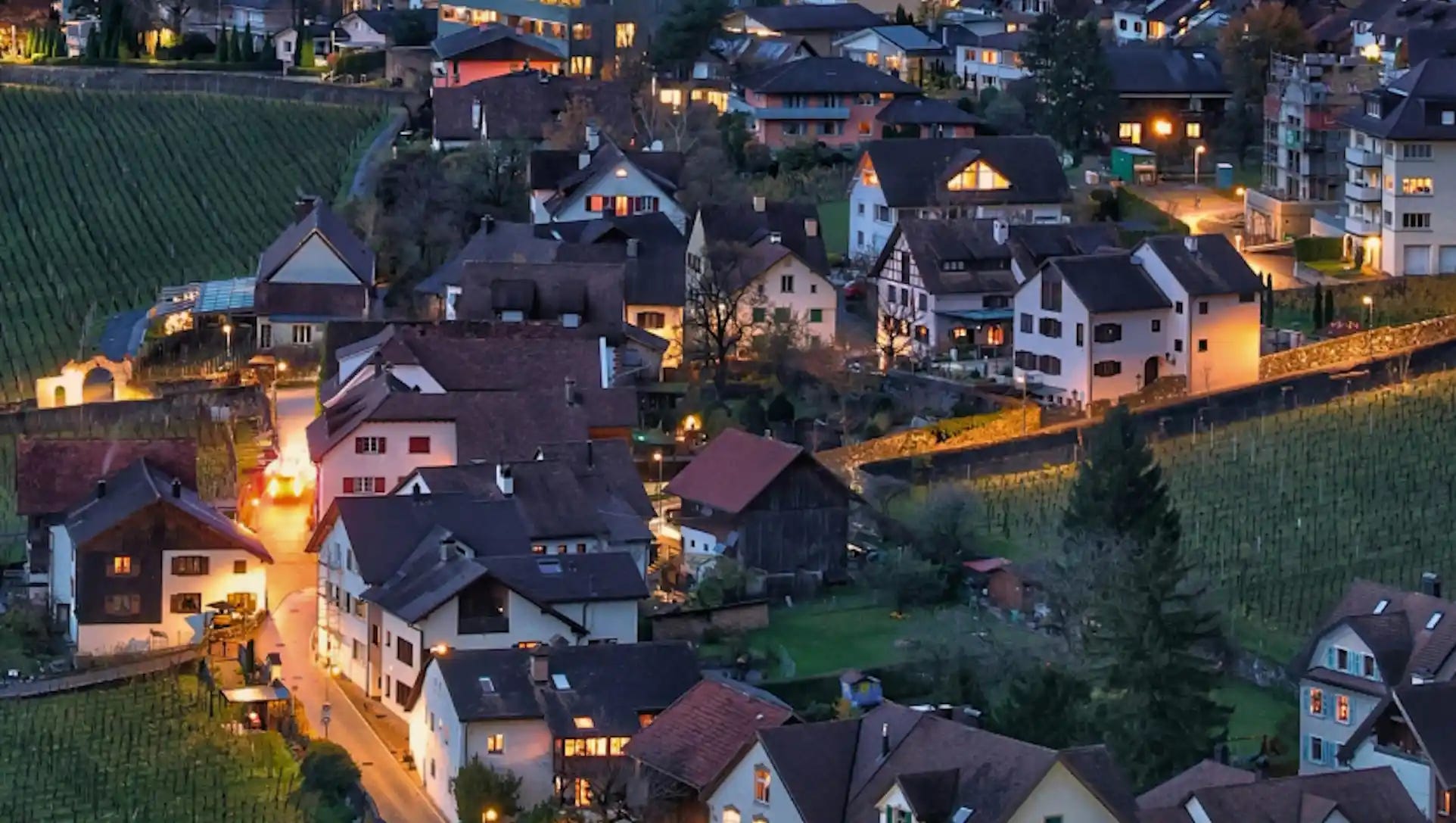
Liechtenstein has 40,000 people, no airport, and a government with almost no debt.
The whole country is smaller than Washington, D.C.
It has been run by the same family, the House of Liechtenstein, since 1719, and it pays its bills from reserves, not borrowing.
S&P affirmed its AAA rating again this year, pointing at exactly that:
Low debt and deep reserves.
What I also find very interesting is this:
Liechtenstein uses the Swiss franc.
It has since the 1920s, through a currency and customs union with Switzerland.
So you get the same currency that won against the dollar for fifty years, in a second, separate jurisdiction with its own banks and its own rules.
And those banks are built like bunkers:
Tier 1 capital ratios above 20% across the sector, roughly double what international rules demand
Not a single Liechtenstein bank needed state aid in 2008
Deposit protection of CHF 100,000 per client per bank, same level as Switzerland
LGT, the largest bank, has been owned by the Princely House of Liechtenstein for over 90 years
That last point is my favorite.
When the owner of the bank is the family whose name is on the country, reckless banking is a personal problem.
One of the Swiss banks I work with has the same principle.
The people who founded it still own it and still run it.
When my clients visit Switzerland, an owner greets them personally.
And they invest their own money in the same things my clients invest in, which is exactly the incentive structure you want from someone holding your savings.
I still trust my spreadsheets (I love them), but I trust that even more.
For Americans, Liechtenstein is harder to enter than Switzerland.
Some of its banks are small enough to make their own calls, and a few built their business around clients the big Swiss names reject.
For most of my clients, Switzerland ends up being the practical answer.
Takeaway: Swiss money, in a country small enough that the family running it can't afford a single banking scandal.
Managed or parked: how to choose
Not all money abroad has the same job.
Parked money is cash in a transaction account.
It sits in a strong jurisdiction, sometimes in a second currency, and waits until you need it.
Setting it up is cheap and fast, with entry from about $10,000.
I wrote about that here.
Managed money is a portfolio.
A private bank holds your investments, a professional runs them, and the structure is built to last decades.
That is what Switzerland, Singapore, and Liechtenstein actually sell, and why access is restrictive.
The product is measured in generations, and entry starts around $1 million.
Not the $10 million people assume.
Here is how I would use this ranking:
If you are moving serious retirement money, the top three are the destination.
If you want a parking spot first, you have more options, and they cost far less to enter.
Two honorable mentions from my own practice: Panama and the Bahamas.
Panama has run on the US dollar since 1904, so there is no local currency to worry about.
The Bahamas sit a short flight from Florida with a long history of banking American money.
Neither makes the top three once you cross into seven figures, but both have solid track records, realistic minimums, and paths that open for US citizens.
I help clients open accounts in both.
And you don’t have to choose between parked and managed.
Most of my clients end up with both, and I covered the mechanics of getting money across borders in How To Move Your Money Abroad.
Takeaway: Park spending money where it’s convenient, manage lasting wealth where it’s safest.
Conclusion
That’s it.
The three safest places on earth for your savings:
Switzerland survived the death of its second-largest bank without a single depositor losing a franc. The hard part is access, and even walking in with millions gets you a polite no.
Singapore is Asia’s only unanimous AAA, home to the region’s safest banks 16 years running, and the toughest of the three for Americans to use.
Liechtenstein pairs the Swiss franc with banks capitalized at double the rules, in a country run by a family that can’t afford a scandal.
One action step for this week:
Decide which job your money abroad needs to do first, parked or managed.
Everything else (country, bank, currency) follows from that answer.
And if the answer is managed, you already know the problem.
The safest countries are highly restrictive, and a US passport makes it even harder.
I help clients get access to routes that are actually open, Switzerland most of all, so the people managing your money answer to you, not to a bank.
If you want that handled, book a call and we’ll go through your situation together.
Appreciate you being here,
— Ben
PS
If you’re earlier in the journey and just want to understand your options first, start with my free US Expat Money Guide.
This article is general information, not personal financial, legal, or tax advice.
Rules, minimums, and bank policies change constantly, and what makes sense for you depends on your situation, your assets, and your tax position.
Before you move money anywhere, talk to a qualified professional who knows your specific case.
Nice article. I am planning to relocate outside the socialist and inefficient EU. Euro is doomed, EU a huge ship floating with no rudder.
i strongly disagree.. with the forced overtaking of cs from ubs switzerland have now a private bank wich is so big it cannot be rescued by the snb alone and would need help from the ezb and fed because of the hughe outstandings in the eurodollarmarket.