


I have lived in seven countries and hold five active residencies.
(Some people might call collecting residencies my “weird little habit”)
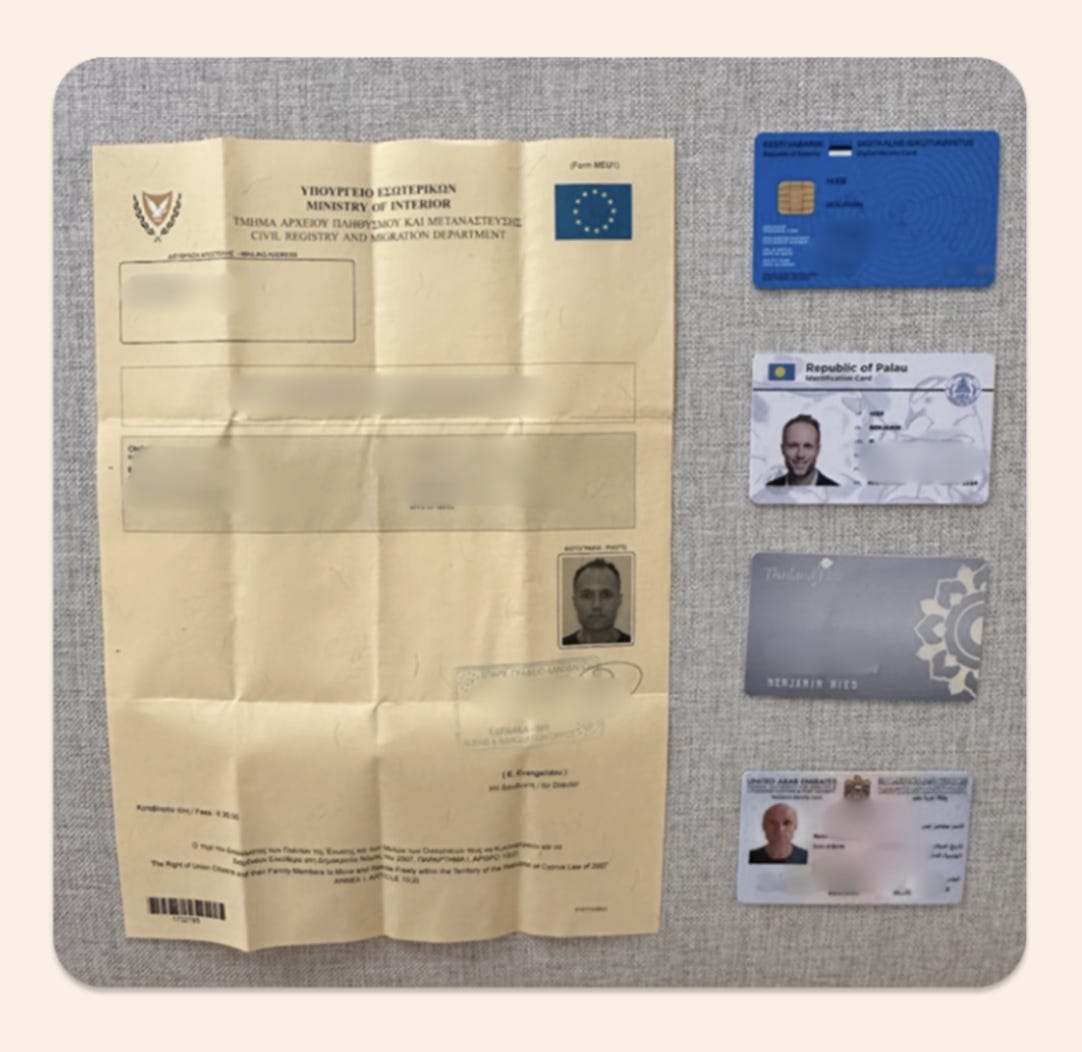
In more than one instance, taxes worked differently than I expected.
The pattern was always the same.
The visa process was clear. Immigration told me exactly what to submit, how long it takes, what it costs.
But nobody mentioned the tax side.
No consulate or immigration lawyer ever said:
“By the way, here’s when this country starts taxing your worldwide income.”
So I had to figure that out on my own.
After doing it several times, I started writing the rules down. What triggers tax residency, how different countries treat income, which reporting requirements people miss, and the mistakes I’ve made and watched clients make.
That’s what this article is based on.
A “cheat sheet” I built for people planning a move abroad.
And no, not that kind of cheating.
The goal is to keep you fully compliant, in the US and wherever you land.
I’ll walk through one key concept at the beginning, which is important to understand, and add some helpful resources afterwards.
The full document is available to download at the end.
Residency vs. Tax Residency
If you only remember on thing from this article, make it this:
A visa is permission to enter a country.
A residency permit is permission to stay.
Tax residency is the obligation to pay taxes.
These are separate systems, run by separate authorities, using separate sets of rules.
Mixing them up is one of the most common (and expensive) mistakes people make when moving abroad.
In most countries, the tax office looks at two things:
How many days were spent in the country during a calendar year, and
What ties exist there (a home, a spouse, a bank account, a registered business).
Cross the threshold, and the country claims taxation rights. Most countries set that threshold at 183 days of physical presence.
When two countries both claim tax residency, bilateral treaties use a tiebreaker:
Permanent home
Center of vital interests
Habitual abode
Nationality
Mutual agreement between the two governments (if none of the above resolve it)
Obviously, it doesn’t always work exactly like that, and what I wrote above is simplified.
But it gives you a mental model to work with once you start digging into the specifics.
I’ve covered each of these topics in detail in separate articles:
How Taxes Work When You Retire Abroad breaks down the five tax systems countries use and how different income types (pensions, Social Security, dividends, rental income) get treated in each one.
Double Taxation Agreements: What They Are and Why They Matter explains how tax treaties work between two countries, including tie-breaker rules and real examples of how they save money.
The State Tax Exit Checklist covers how to properly cut ties with a home state and build the proof stack that keeps the tax office from claiming residency after the move.
Last but not least, make sure to check out those videos explaining how residency works abroad, how to move your money abroad as well as the bank account in the “neutral zone”.
After consuming all those resources (as well as the cheat sheet below) you will be better informed than 99% of people making their move abroad.
PS: I recorded a 20-minute training, covering the exact system I use, to avoid making expensive mistakes with your move. Watch it here.
The Cheat Sheet
After years of explaining tax residency to clients and making my own mistakes along the way, I put everything into a single document. One reference sheet that covers the nine topics I wish someone had handed me before my first move abroad.
The full cheat sheet is available to download below.