


When a residency or tax program gets too popular, it gets changed.
I’ve watched this happen over and over.
Portugal ran its Non-Habitual Resident program for over a decade, offering a 10-year tax holiday on foreign income.
Then too many people found out about it, the political winds shifted, and the government killed it in 2024.
Spain ended its Golden Visa entirely in April 2025.
“Too much pressure on housing prices” was the official line.
Golden Visa holders in Spain actually only made up only a tiny fraction of real estate owners, and scapegoating them was nothing but a political move. But that’s a topic for another day.
The pattern is predictable and always the same:
Generous program attracts attention, attention attracts scrutiny, scrutiny leads to changes.
This time: Uruguay.

On January 1, 2026, the new Frente Amplio government passed Ley 20.446 as part of its national budget.
The real estate threshold went up and the minimal presence path disappeared, while some of the offshore structures people were using got closed.
I’ve seen a lot of panicked headlines about this.
Most of them don’t make an important distinction:
If you were planning to move to Uruguay full-time, nothing actually changed for you.
But if you wanted Uruguay as a “Plan B” (a backup residency you could activate without relocating your whole life), that’s where things got more expensive.
Since many people don’t even know what a Plan B residency means or why it’s different from just emigrating somewhere, we’re going to cover that too.
Today, we’re going to look at:
Why full-time movers to Uruguay can relax
What “Plan B” residency actually means (and who it’s for)
What changed for people who wanted Uruguay as a backup, not a home base
If you are between 50-75 and want to emigrate within the next 0-5 years, and don’t want to navigate healthcare, banking, visas, taxes and country selection by yourself, reply to this mail with “Retire”.
You’ll get a private invite to the “Retire Abroad Priority List” with some of my best tactics for retiring abroad.
Full-Time Expats Can Relax
If you want to actually live in Uruguay, nothing changed.
The Rentista visa still works.
The requirements are about $1,500 a month in passive income from outside Uruguay, whether that’s a pension, rental income, or dividends.
Once you’re there and spending more than 183 days a year in the country, you qualify for the 10-year tax holiday on foreign income.
There is no need to buy $2 million in real estate or put money into a government fund every year.
You just need to actually be there.
The law raised the bar for people who wanted Uruguay’s tax benefits without relocating.
But if you’re genuinely moving, the path looks exactly like it did on December 31.
So if nothing changed for full-time movers, why the panic?
Because some people researching Uruguay’s tax holiday weren’t planning to move there full-time.
They wanted a “Plan B”.
What is a Plan B?
When people picture moving abroad, they usually imagine packing everything and starting over somewhere new.
That version exists and is valid.

In this version of becoming an expat, you sell the house, get on the plane and land in your new destination and your daily life happens there now.
If you spend more than 183 days a year, you become a tax resident.
Easy.
A Plan B is different.
You get legal residency in another country, but you keep living where you already live.
The second residency sits in your “back pocket”.
You visit a few weeks or months a year to keep your status active, but you never trigger tax residency because you never cross the 183-day threshold.
Okay, but why would someone want this?
I can think of at least five reasons:
Having the “exit option”
If things get weird at home (politically, economically, personally) they want a place they can go without needing to apply for anything. The residency card is already “in the drawer”.
Having better travel access
A Schengen residency, for example, lets you move freely across 27 European countries. That matters if you travel a lot for work.
Starting a path to citizenship
Some people want a path to citizenship in a country they like. But they want to earn it “slowly” without relocating their whole life. Portugal, for instance, lets Golden Visa holders apply for citizenship after five years with an average stay of just seven days per year.
Diversifying assets
Some people want to diversify where their assets and legal ties are located.
One country is one set of rules and options. Golden Visa holders, or residency holders in general, have more options that people on tourist visas.
Tax flexibility
If you structure things carefully, you can hold residency in a low-tax or no-tax jurisdiction and spend time there strategically while keeping your life elsewhere.
The common thread in all of these is minimal presence requirements.
You get the legal status without having to actually move.
Takeaway: A Plan B gives you legal residency in another country without requiring you to live there full-time. You maintain it with a few weeks per year, you stay under the tax residency threshold, and you keep the option open for when you need it.
Portugal Example
Let’s look at Portugal as an example.
Someone who wants to move there full-time would probably apply for the D7 visa.
It requires about €920 per month in passive income (a pension, rental income, dividends).
The D7 is one of the most affordable passive income visas out there.
But, D7 holders need to spend the majority of their time in Portugal.
Immigration expects six months or more per year and checks actual presence at renewal.
Once someone is there that much, they become a Portuguese tax resident. Portugal then has the right to tax their worldwide income.
The Golden Visa works differently.
The investment is €500,000 into a qualifying fund or a donation (which is less than that). In return you get a residence permit with a minimal presence requirement of 7 days per year on average.
At seven days, no one triggers Portuguese tax residency.
The holder is maintaining a legal status, not living there (although they could).
After five years, citizenship becomes possible.
The Golden Visa costs more upfront, but has less strings attached.
That’s a Plan B.
I’ve set my own life up this way.
I hold a Thailand Elite Visa and spend about 60-70% of the year in Thailand.
I also have a company and residency in the UAE, which requires me to enter every six months.
Neither country tells me I “have to” be there (for long).
Thailand doesn’t care if I leave for months.
The UAE just wants to see me twice a year.
I could spend three months in Europe (which I sometimes do), a month in the States, and neither residency would be at risk.
That freedom is the point.
Legal status in places I want to be, without being told how long I have to stay.
Back to Uruguay
So where does Uruguay fit?
Until December 31, 2025, Uruguay had one of the more accessible Plan B paths in the world.
Buy about $590,000 in real estate, spend 60 days a year in the country, and qualify for an 11-year tax holiday on foreign income.
The presence requirement was light.
On January 1, 2026, the new government passed Ley 20.446.
The $590,000 real estate threshold jumped to approximately $2 million.
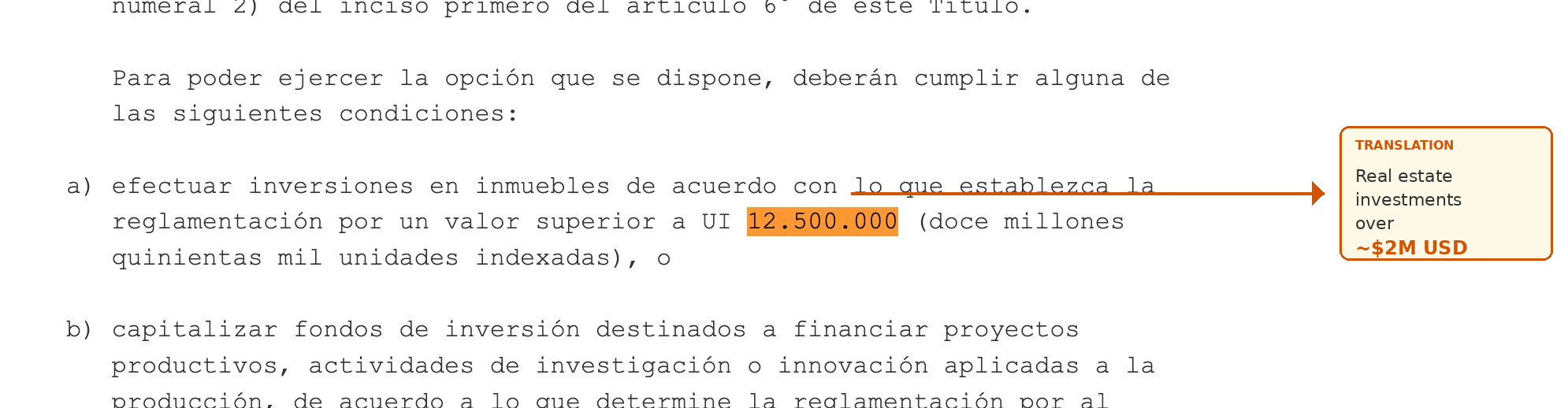
The 60-day requirement tied to that lower investment is gone.
At $2 million, the investment itself qualifies you for the tax holiday without a presence requirement.
The alternative is $100,000 per year into Uruguay’s National Innovation Fund for 11 consecutive years ($1.1 million over time, with no property at the end).
For anyone who doesn’t want to invest, the physical presence path remains.
Spend 183 days a year in Uruguay and you qualify for the tax holiday with no investment at all.
But that requires actually living there.
For Plan B seekers who wanted the option without the commitment, Uruguay just got a lot more expensive.
Takeaway: Uruguay’s Plan B path went from ~$590k + 60 days to $2 million with no presence requirement. The “affordable” entry point is gone.
To Sum It Up
Uruguay isn’t the first country to change their rules (and it won’t be the last).
As I always say:
The best time to get residency is when you don’t need it.
That’s it for this week.
Thanks for reading, and as always, appreciate having you here.
— Ben
PS
I just opened 4 spots for the Retire Abroad Blueprint.
We start April 13.
Spots are first come, first served.
Once spots are booked, I will be busy with those, until the next round opens up.
Book a discovery call here.
If you can’t find a time, reply “BLUEPRINT“ and I’ll follow up personally.
Here’s how one current client described it:
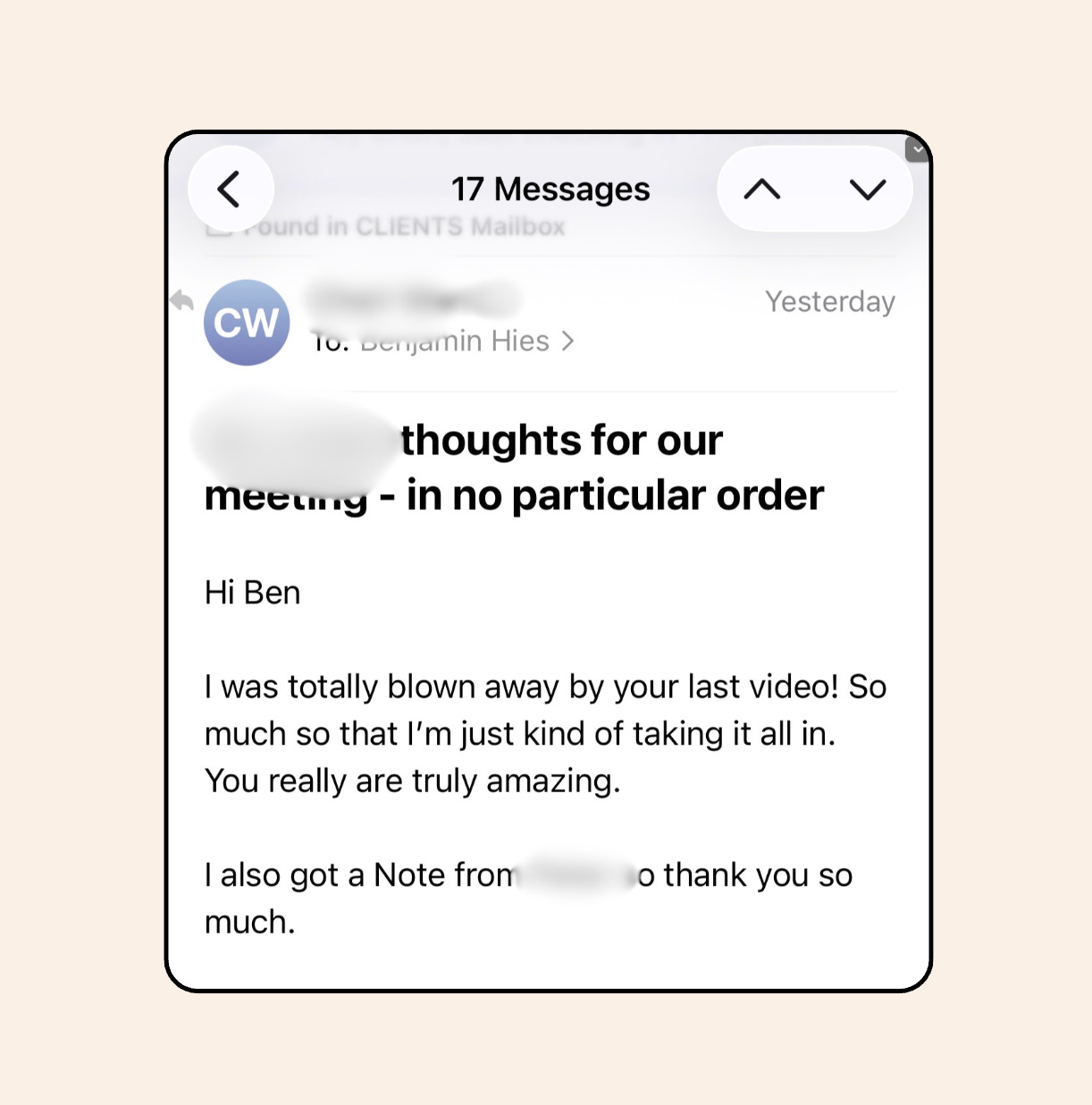
Your level of extreme detail & knowledge is amazing! Great piece, Benjamin.