


Retiring on an island sounds like a great idea.
And sometimes it is.
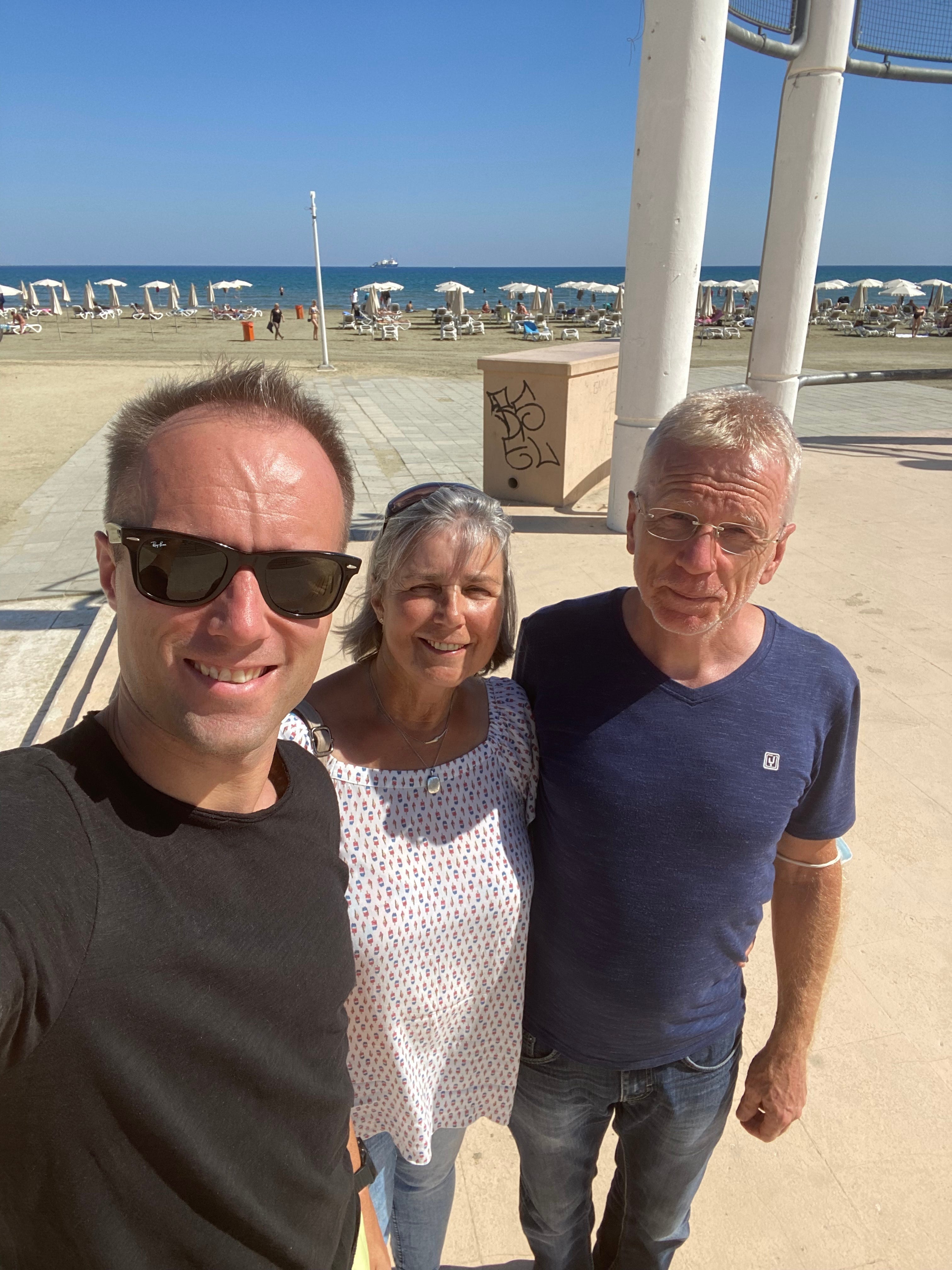
I lived in Cyprus for a year, and I have plenty of good memories from living there.
And every place I moved to, I always brought my parents over at least once. They loved Cyprus as well, although I doubt they would have loved the hot summer months.
Not every island is worth retiring to.
Don’t be fooled by the typical pictures of a hammock, a palm tree, water in that exact shade of turquoise.
What most stories leave out is the visa paperwork, the bank deposit you have to freeze, and the ferry timetable that ruins your winter if you pick the wrong island.
For this comparison, we are using the same rules as the European cities list from July.
What we’ll cover:
What a retired couple spends a month (Numbeo figures)
The visa each island takes, and the income or deposit you need to qualify
The tax angle or the catch, from Malta’s 15% pension rate to Thailand’s remittance rules
Starting in Thailand.
The monthly figures come from Numbeo and assume a couple renting in or near the main town. Island prices can swing during tourist season, so treat them as a starting point.
1. Koh Samui, Thailand
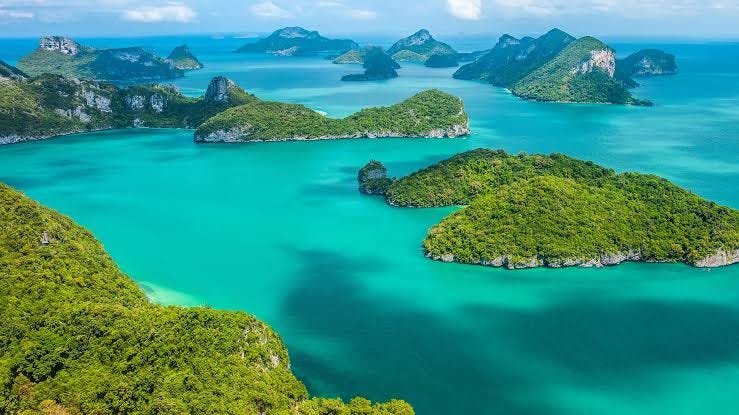
Thailand’s second-largest island, in the Gulf of Thailand, an hour’s flight from Bangkok.
Warm all year, with everything from a $500 one-bedroom to a pool villa.
A couple lives well on around $2,000 to $2,800 a month.
Most retirees come in on the “O-A” retirement visa.
You have to be at least 50 years old with 800,000 baht (about $24,000) parked in a Thai bank, or 65,000 baht ($1,950) a month in income, plus health insurance of at least $100,000.
It renews every year, and the 800,000 baht has to sit in the account two months before you apply.
Evaluate your visa (or any other one) using the Retirement Visa Evaluation Sheet, which you will find here.
The other route is the Thailand Privilege Visa, which I hold myself.
900,000 baht ($27,000) buys you five years, with no income proof and no deposit.
It usually takes a few months to get it, but the process in very straightforward.
Since 2024, Thailand taxes foreign income you bring into the country if you spend 180 days or more there in a year (Social Security is exempt).
Best for: warm weather all year and a low cost of living, with Bangkok’s hospitals an hour away.
2. Mauritius
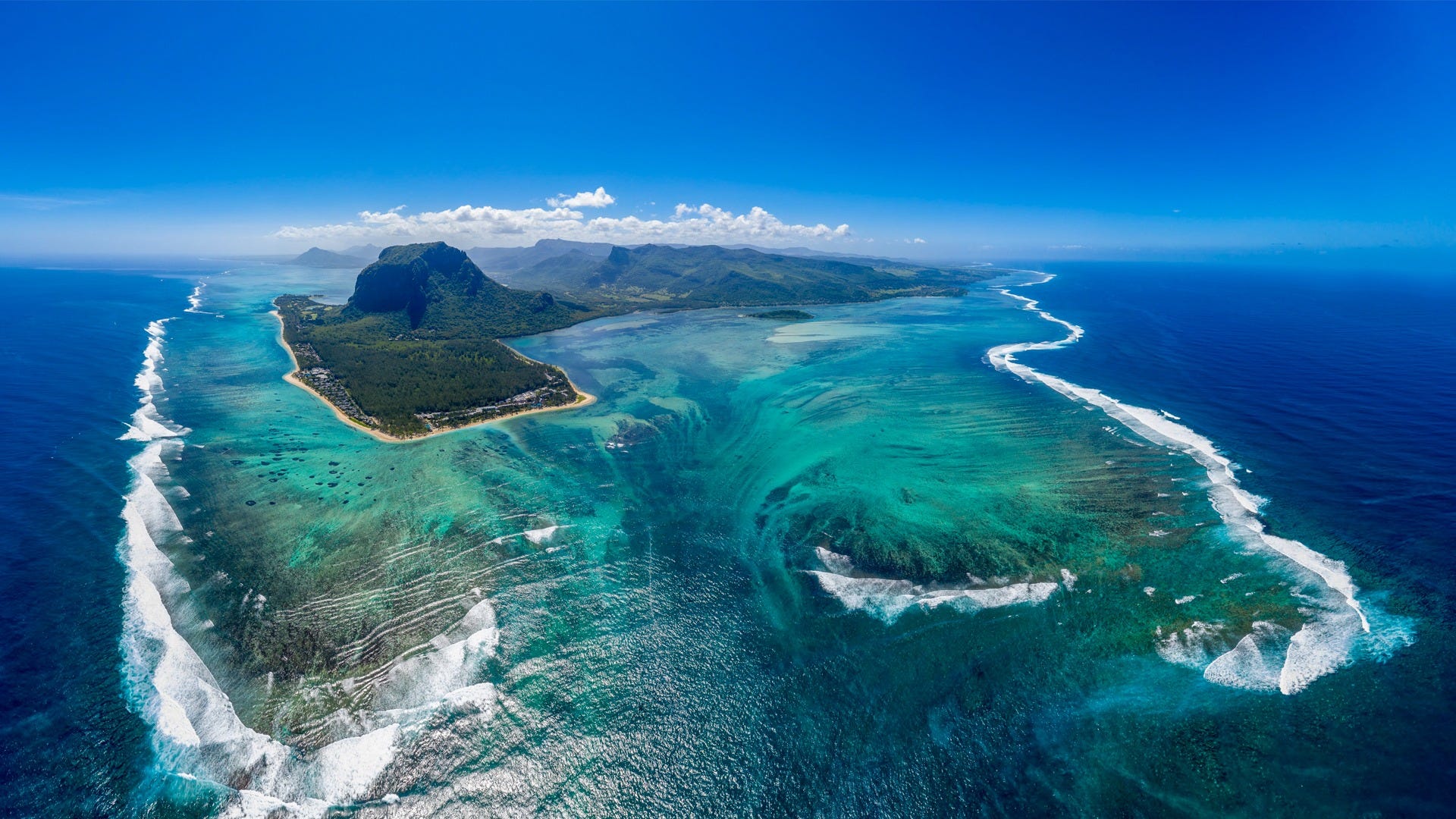
An island in the Indian Ocean, about 1,200 miles off the east coast of Africa.
English is the official language, but French and Creole are what you hear at the market.
A couple lives well on around $2,000 to $2,500 a month, more in Grand Baie in the north.
The retiree route is the “Retired Non-Citizen” permit.
You have to be at least 50 and transfer $2,000 a month ($24,000 a year) into a Mauritian bank account.
The permit is valid for 10 years, no work allowed, and after 5 years you can apply for a 20-year permanent residence permit.
Mauritius only taxes foreign income when you bring it into the country, at 0% to 20% for almost everyone.
The US has no tax treaty with Mauritius, so you rely on the foreign tax credit instead.
Best for: a low tax bill and year-round warmth, if you can live with a very long flight home.
3. Gozo, Malta
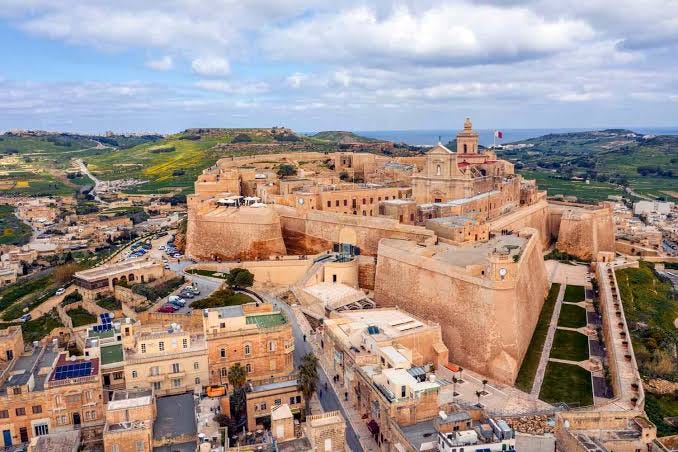
Malta’s smaller island.
Gozo is a 25-minute ferry from the main island, with fewer than 40,000 people.
English is an official language, so the lease, the doctor, the bank, and the tax office all work in English.
Quieter and cheaper than Malta itself.
A couple lives well on around €2,000 to €2,500 a month.
The retiree route is the “Malta Retirement Programme”.
You need a pension that makes up at least 75% of your income, a home on Gozo (bought for €220,000 or more, or rented for at least €8,750 a year), and private health insurance.
You also have to spend at least 90 days a year in Malta on average.
The reward is a flat 15% tax on the pension you bring into Malta, with a minimum of €7,500 a year.
I went through Malta’s three residency paths with an immigration attorney here.
Gozo is quiet from November to March, and serious healthcare means the ferry to Mater Dei hospital in Malta.
Important note: these terms change on January 1, 2027.
The minimum tax doubles to €15,000 a year, the rent floor rises to €14,000 a year, and a purchase has to be €700,000 or more.
The status also stops being permanent.
Malta grants it for five years at a time, and each renewal costs €2,500.
If you apply by December 31, 2026, you keep the current terms until the end of 2031, even if the approval only arrives in 2027.
Best for: English-speaking EU living with a 15% deal on your pension, if a small island suits you (but make sure to apply before 2027).
4. Madeira, Portugal
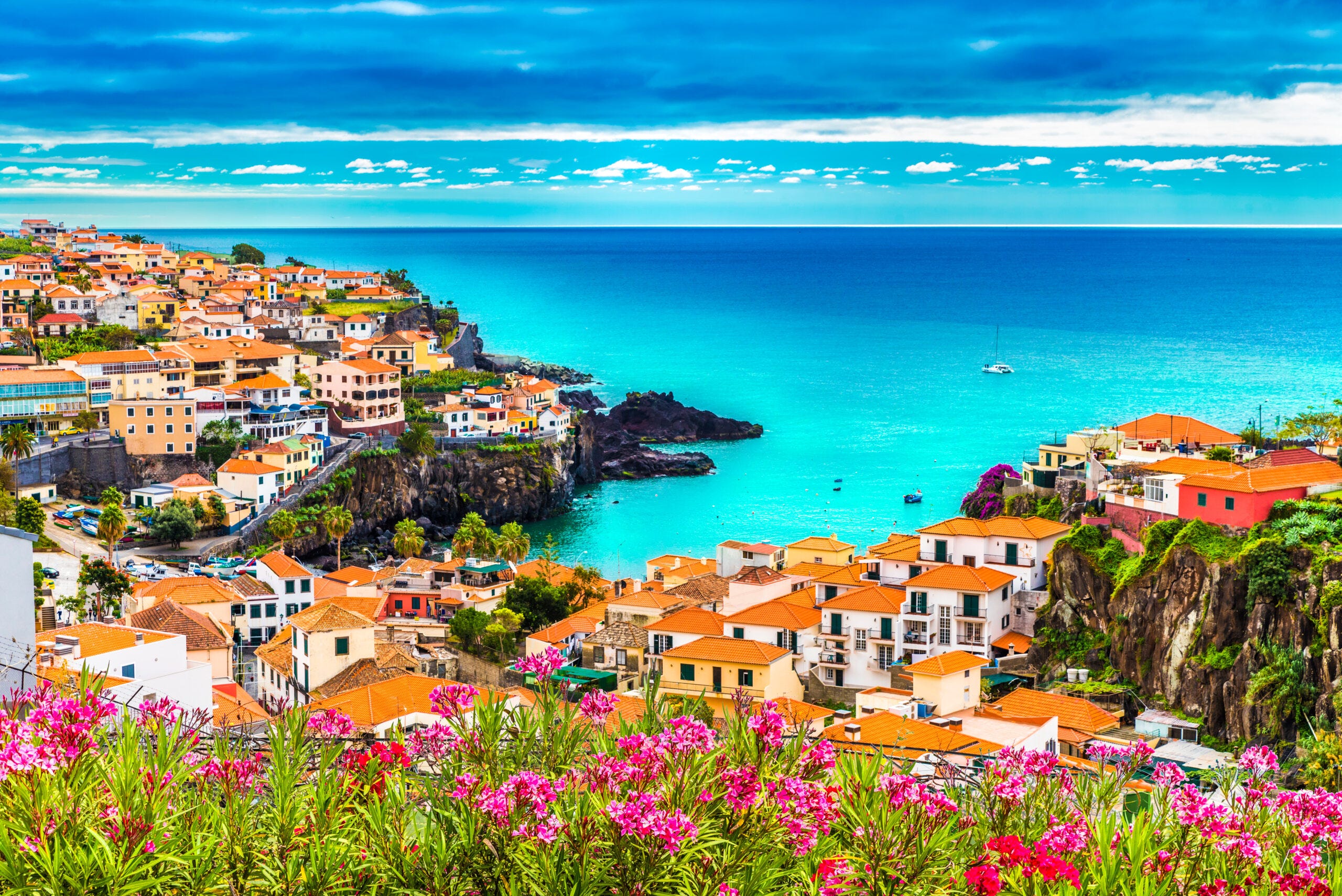
A Portuguese island in the Atlantic, about 600 miles southwest of Lisbon and closer to Morocco than to mainland Europe.
Spring weather most of the year, steep hills, and English everywhere in Funchal, a leftover from two centuries of British wine merchants.
A couple lives well on around €2,500 to €3,000 a month.
Same “D7” visa as Porto and Lagos in the July list.
About €920 a month in steady income for one person (€1,380 for a couple) from a pension, Social Security, dividends, or rent.
I covered the D7 and other routes here.
The benefit when it comes to Madeira is a nonstop to New York (about seven hours with Azores Airlines).

Best for: mild weather all year and Portugal’s easy residency, on an island with a direct flight home.
5. Las Palmas, Spain (Canary Islands)
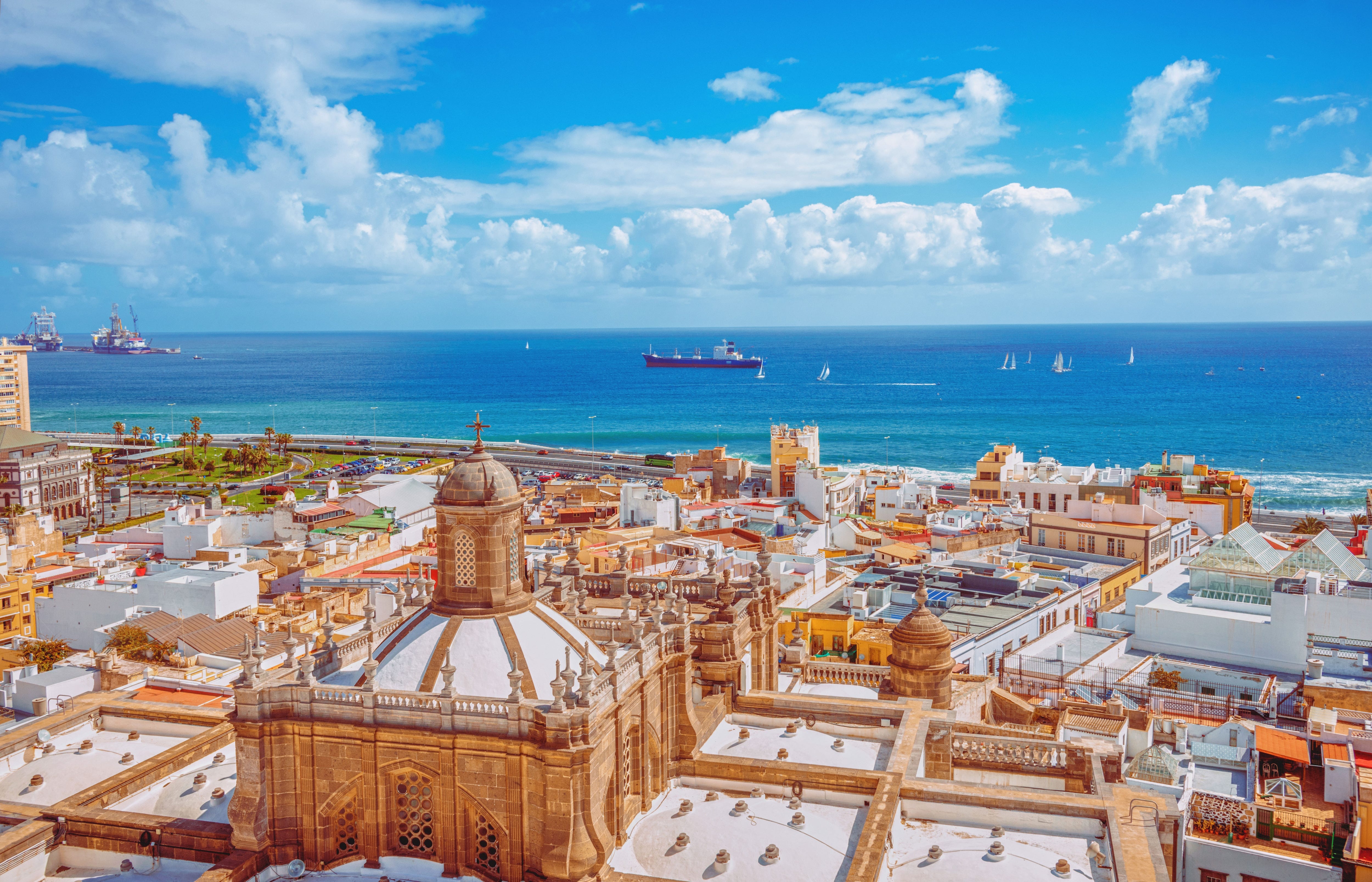
The capital of Gran Canaria, in the Atlantic off the coast of Morocco.
Yes I know, Las Palmas was on the July list too.
I’m still repeating it on this one because it has the mildest winters in Europe, around 70°F (21°C) most of the year, with a beach in the middle of the city.
I ran the Las Palmas marathon in 2018 and the climate is made for being outdoors.
A couple lives comfortably on around €2,300 a month, and Las Palmas is one of the more affordable cities in Spain.
The visa is Spain’s “Non-Lucrative Visa”.
About €2,400 a month in income for the main applicant (plus €600 for a spouse), and you have to show you won’t work.
No work really means no work, not even remote work for a company outside Spain.
(I’ve had enough calls about this to say it twice.)
Spain has no special tax deal for retirees.
It taxes worldwide income, so of the five islands this is the least tax-friendly.
However, the Canaries charge 7% sales tax instead of the mainland’s 21%, which makes day-to-day spending cheaper.
Best for: warm weather all year and a real city with a beach, if you can live with Spanish tax.
Conclusion
Three things to take away:
Three of the five only tax the money you bring in (Thailand, Mauritius) or give your pension a flat rate (Malta’s 15%). Portugal and Spain tax worldwide income.
Check how you get on and off the island before you go apartment hunting. Madeira has a seven-hour nonstop to New York, while Mauritius is 20 hours with a stopover.
Small islands do not have the same healthcare infrastructure as bigger ones. Gozo and Koh Samui both send serious cases to the bigger island or the mainland, by ferry or by plane.
Question for you:
Which of the five would you pick?
Tell me in the comments, I read them all.
Thanks for reading, and as always, appreciate having you here.
— Ben
PS
An island is a place to live.
Where you're taxed and where your money sits are two separate decisions, and they shape your retirement more than the view does.
I walk through all three in a short training, from where you live to where you’re taxed to where your money sits.
Island life is too difficult in retirement.
How exactly would one show he won't work?