


Every “best places to retire in Europe” list looks the same.
Pretty photos with sunsets, and almost every line starts with the “relaxed pace of life.”
And almost none of them answer the questions that actually decide your move:
What does a month really cost?
Can you actually get a visa there?
Does the place suit you and your priorities?
This list answers all three, city by city.
I’ve spent six years collecting residencies (five active ones to be precise), and I talk to people planning a move abroad every week.
These eight are the ones I’d point a friend toward (and I have visited all of them myself).
Keep one thing in mind as you read.
Where you live and where you become a tax resident are two different decisions.
Some of these could be home, others you might just spend a season in.
What we’ll cover:
The exact visa each city takes, and the income you need to qualify
What a retired couple actually spends each month (not the brochure number)
The tax angle or the catch, from Greece’s 7% deal to Cyprus’s non-dom setup
Let’s start.
The monthly figures come from Numbeo and assume a couple renting in or near the center. They depend a lot on your lifestyle, so take them with a grain of salt.
1. Porto, Portugal
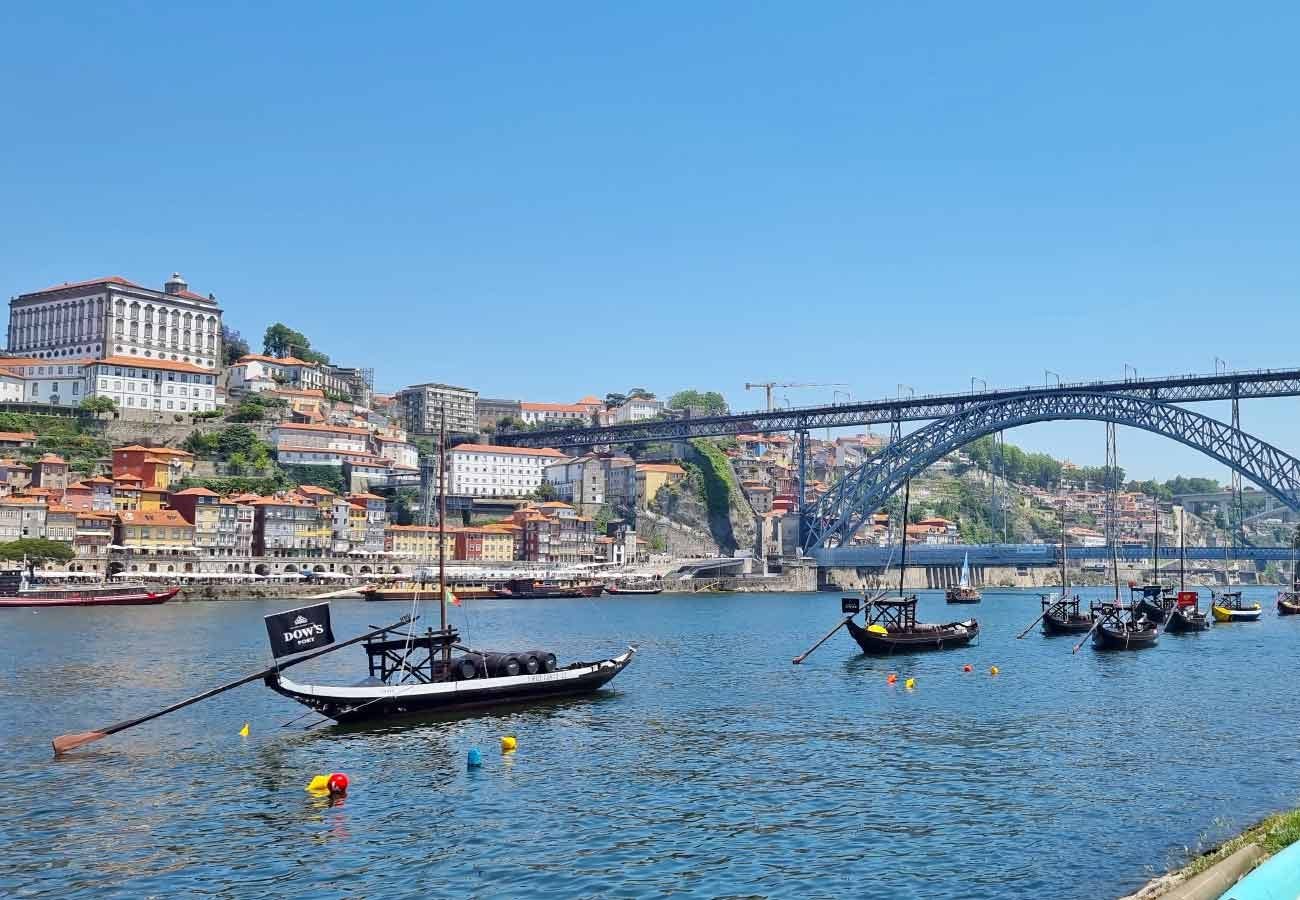
Portugal’s “second city”, on the Douro river in the north.
Walkable, and noticeably cheaper than Lisbon. A couple lives well on around €2,500 to €3,000 a month.
Most retirees come in on the “D7” visa.
The visa requires about €920 a month in steady income for one person (€1,380 for a couple) from a pension, Social Security, dividends, or rent.
I covered the D7 and other routes here.
Portugal closed its NHR tax scheme a while back, so foreign pensions are taxed at normal rates now.
The lower cost of living makes up for it, and plenty of retirees still spend less here than they did at home.
A nice side benefit is Porto flies nonstop to Newark in about seven hours.
Best for: a first move abroad, when you want a real city, easy residency, and the coast nearby.
2. Lagos, Portugal
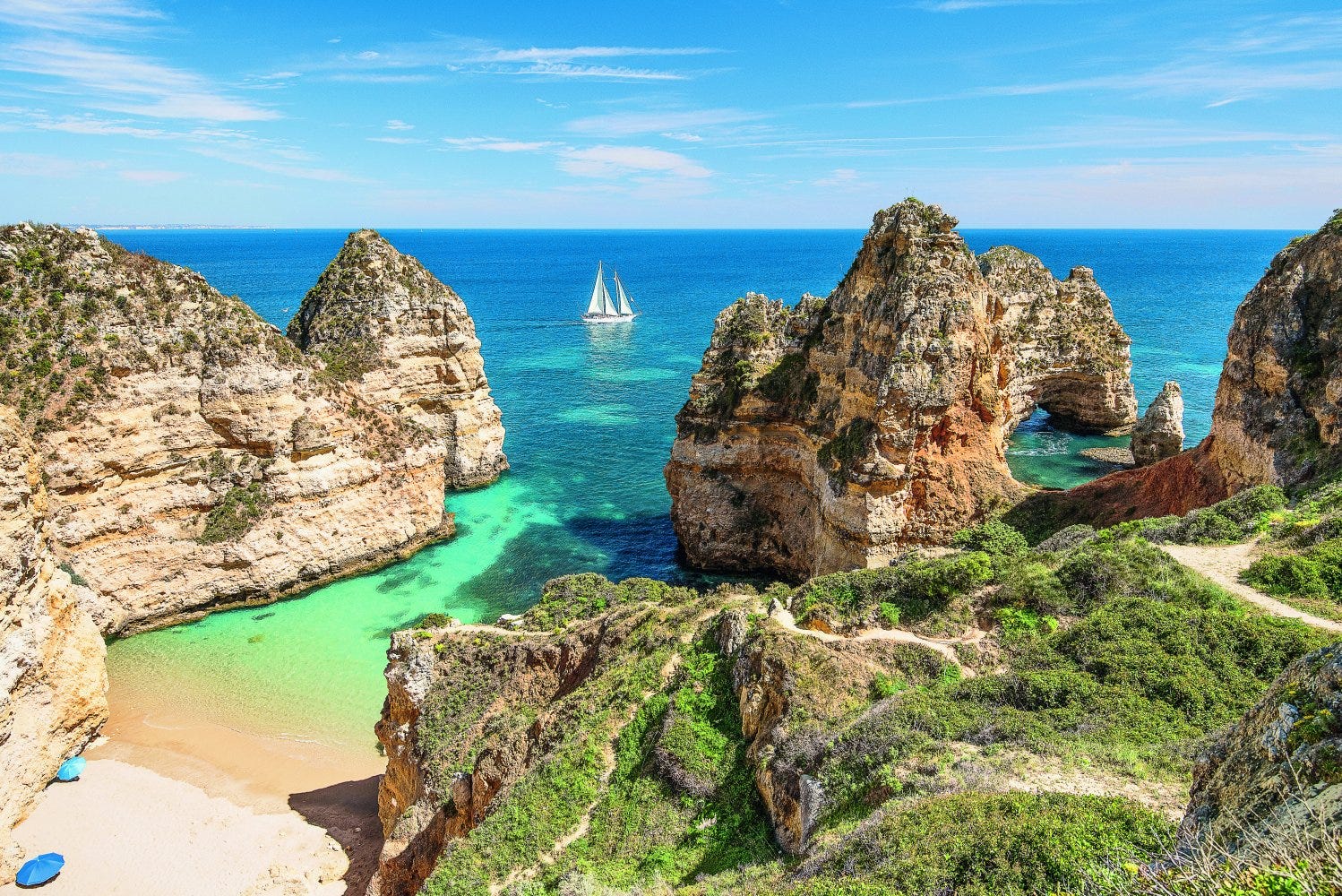
On the Algarve coast in the south.
The most established American and British retiree base in the country. Warm, walkable, and English gets you a long way here.
A couple lives comfortably on around €2,500 to €3,000 a month outside the prime resort streets.
Same D7 visa as mentioned above.
One thing I would do: Sign an annual lease, not a seasonal one. Summer rents on the Algarve climb 20% to 40% in tourist season, and a year-round contract avoids that.
Best for: a warm landing with beaches and an English-speaking community already in place.
3. Bilbao, Spain
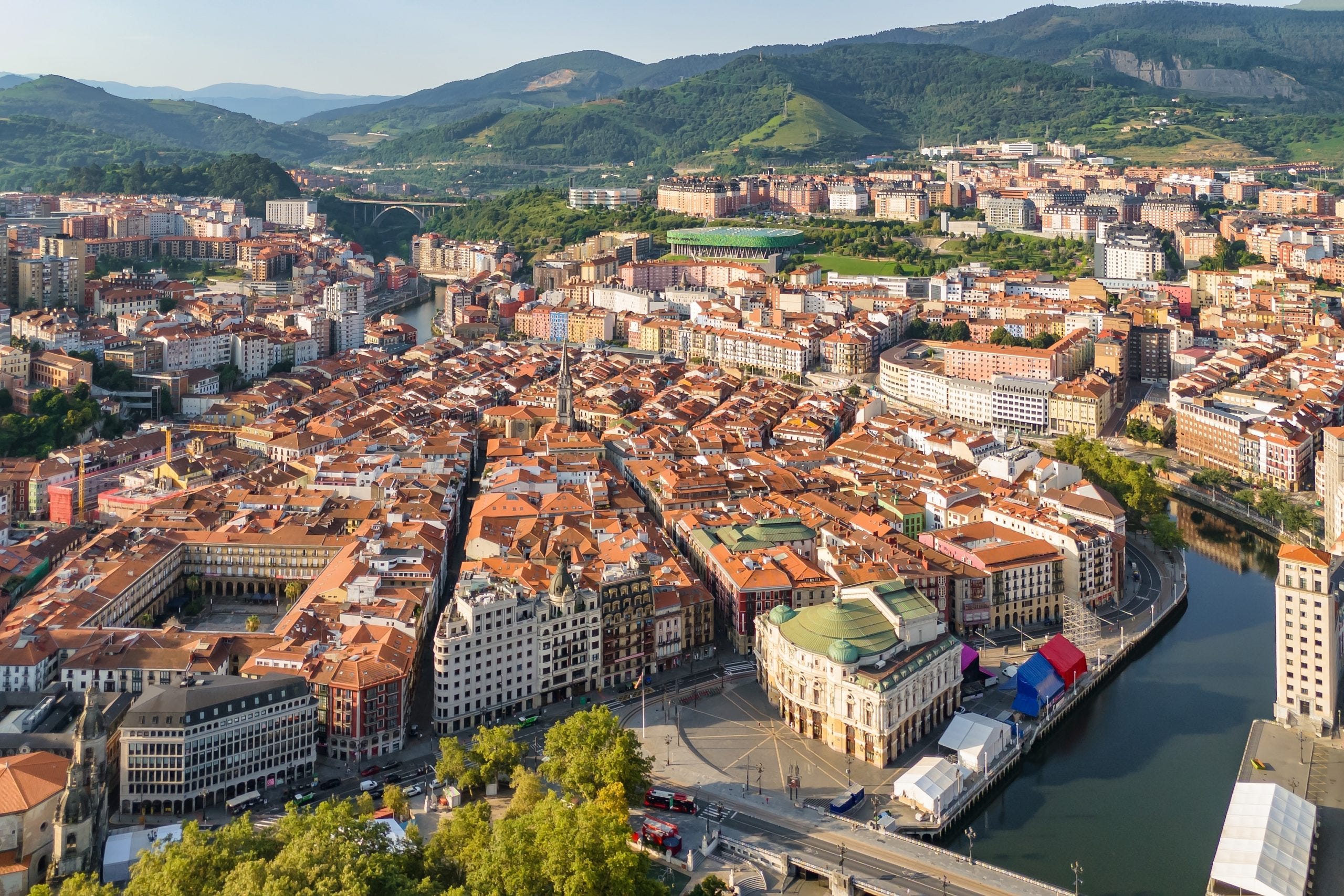
A city in the Basque Country, on Spain’s north coast.
The north is cooler and wetter than southern Spain.
It rains often, which keeps the area green. Bilbao is known for its amazing food (!) and the Guggenheim museum.
A couple lives well on around €2,000 to €2,500 a month.
Spain’s main route for retirees is the “Non-Lucrative Visa”.
The requirement is about €2,400 a month in income, and you have to show you won’t work.
Spain has no special tax deal for retirees.
It taxes worldwide income, foreign pensions included, arguably one of the least tax-efficient deals in all of Europe.
Best for: food, a cooler green coast, and city life without the tourist crowds.
4. Las Palmas, Spain (Canary Islands)
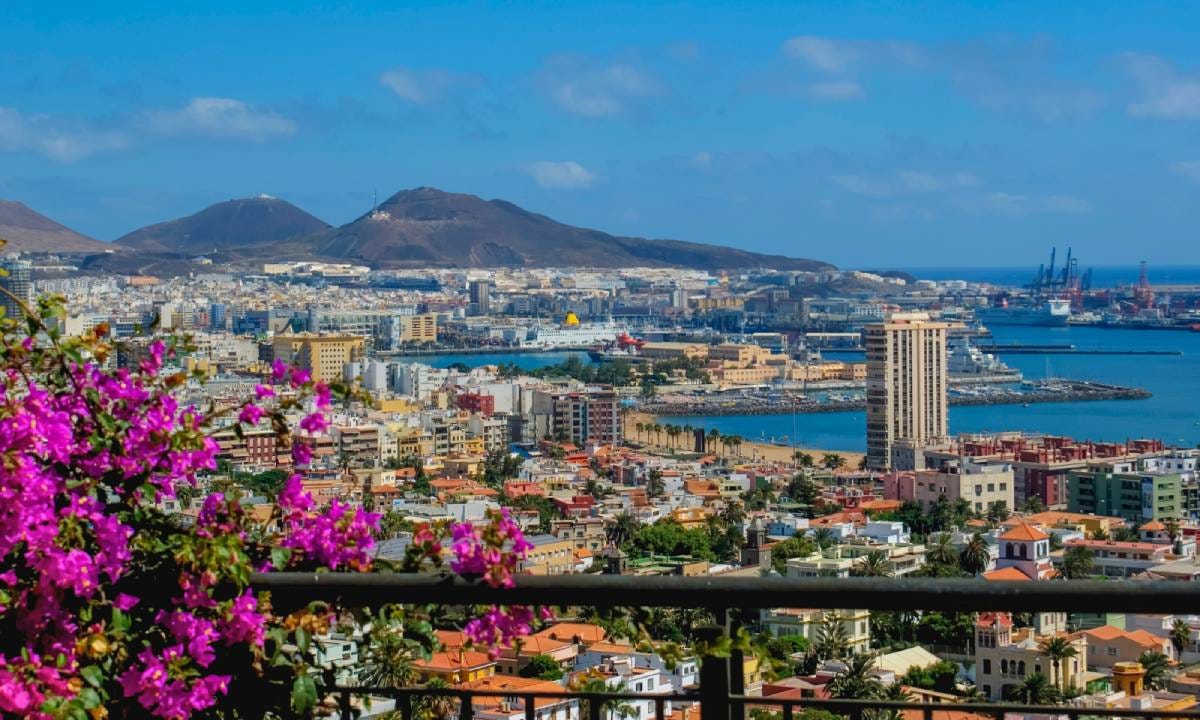
A city on Gran Canaria, in the Atlantic off the coast of Morocco.
It has the mildest winters in Europe.
Around 70°F (21°C) most of the year, dry, with a beach in the middle of the city. I ran the Las Palmas marathon back in 2018, the climate is extremely suitable for outdoor activities.
A couple lives comfortably on around €2,300 a month.
Las Palmas is one of Spain's more affordable cities, though not the very cheapest. That would be Lugo, up in the rainy northwest, but with almost no expat community and no (real) airport, so I wouldn't point you there.
Visa-wise the same route as Bilbao. The NLV, about €2,400 a month in income, no working allowed.
I had quite a few calls with clients about the possibility of working on the NLV, and want to emphasize how strict this policy is.
No work really means no work.
Not even remote work for an employer outside of Spain.
One local difference: the Canaries use a lower sales tax, 7% instead of the mainland’s 21%, which makes day-to-day spending cheaper.
Best for: warm weather all year, a beach city, and a lower cost of living.
5. Montpellier, France
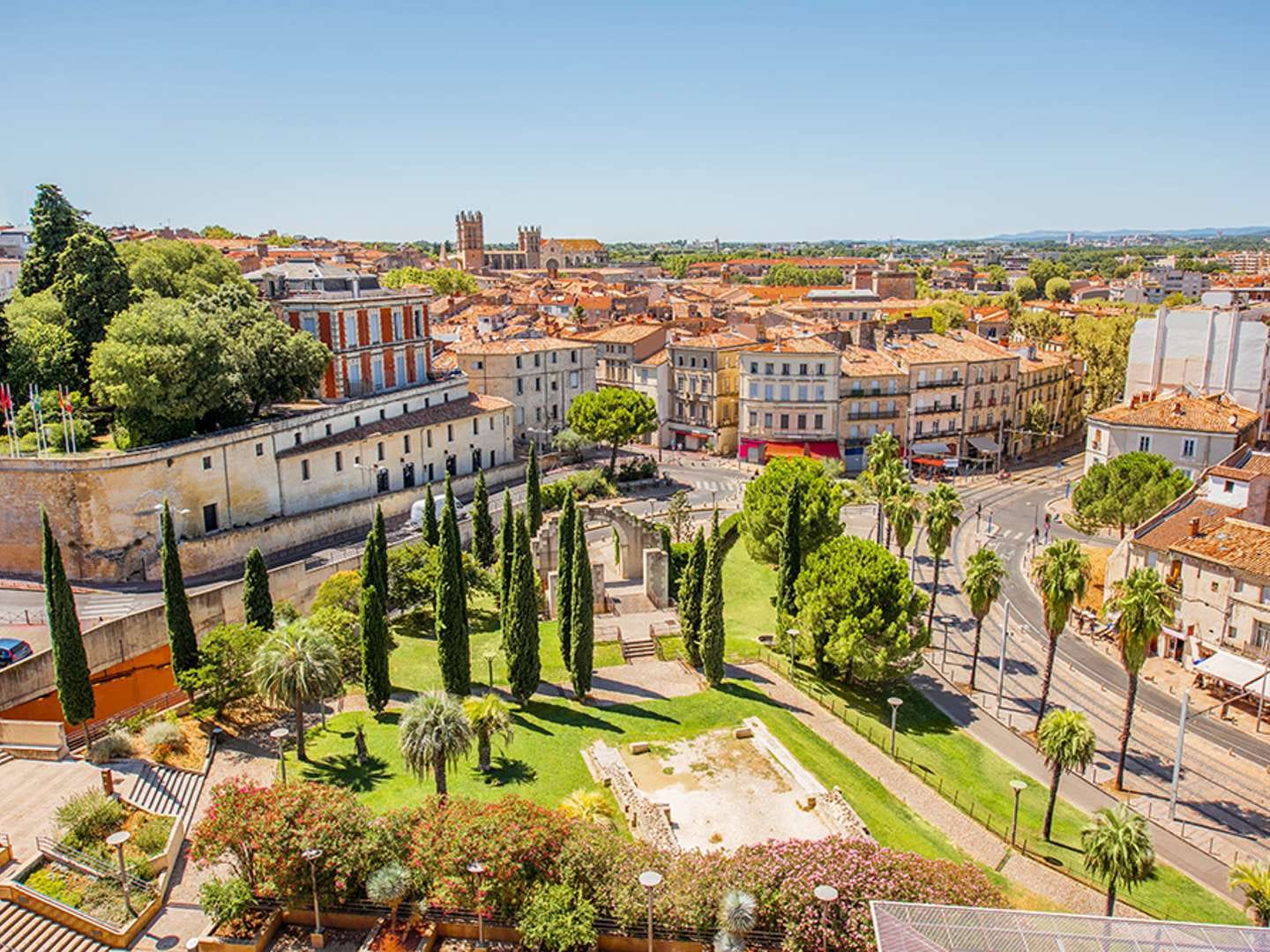
In the south of France, a short drive from the Mediterranean coast.
Sunny most of the year, with a walkable old center and a fast train to Paris in about three and a half hours.
A couple lives well on around €2,300 to €2,800 a month.
France has no dedicated retirement visa.
Retirees use the Long-Stay Visitor Visa (“VLS-TS Visiteur”).
The income requirement is linked to the French minimum wage, about €1,480 a month as of mid-2026, and you sign a pledge not to work (similar to Spain).
Private insurance is needed for your first year, after that you join the public system (PUMA).
One benefit is that the tax treatment is very friendly for Americans.
Best for: sun, French city life, and one of the best tax deals in Europe for an American retiree.
6. Bologna, Italy

Bologna is situated in the north of Italy, between Milan and Florence.
A medieval city under miles of covered arcades, with real four seasons and cold winters.
Bologna is on the high-speed line, so Florence is about 35 minutes away and Milan about an hour.
A couple lives well on around €2,800 to €3,200 a month.
Italy’s route for retirees is the “Elective Residency Visa”.
The requirement is a steady passive income of at least €31,000 a year for one person, more for a couple, from pensions, dividends, or rent.
No working allowed, and the income has to be passive (not a paycheck).
A word on the famous Italian “7% tax”.
This only applies to small southern towns under 30,000 people. Bologna doesn’t qualify, so you pay normal Italian rates on your worldwide income.
Best for: food, a walkable four-season city, and easy trains across Italy. No tax benefits.
7. Chania, Greece
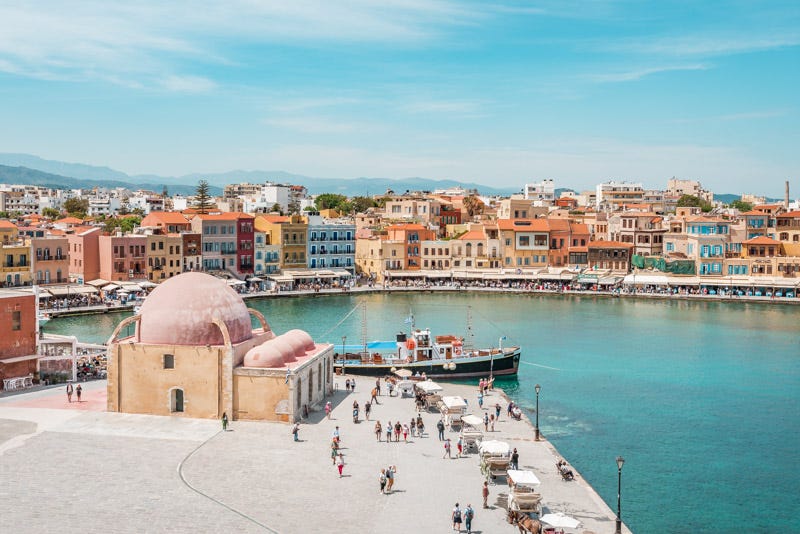
On the northwest coast of Crete, around a Venetian harbor.
Warm, walkable, and one of the cheapest places on this list. A couple lives well on around €1,800 to €2,200 a month.
Greece’s route for retirees is the “Financially Independent Person” visa.
It asks for about €3,500 a month in passive income, more for a couple, from pensions, dividends, or rent.
And (you guessed it) no work is allowed.
The tax benefits outperform many other European programs.
Move your tax residence to Greece as a foreign retiree and you pay a flat 7% on all your foreign income (pensions, dividends, and others) for fifteen years.
This might sound exactly like the deal Italy has, but in Greece it applies wherever you live, not just small towns.
Best for: warm island living, a low cost of living, and a genuine tax break.
8. Paphos, Cyprus
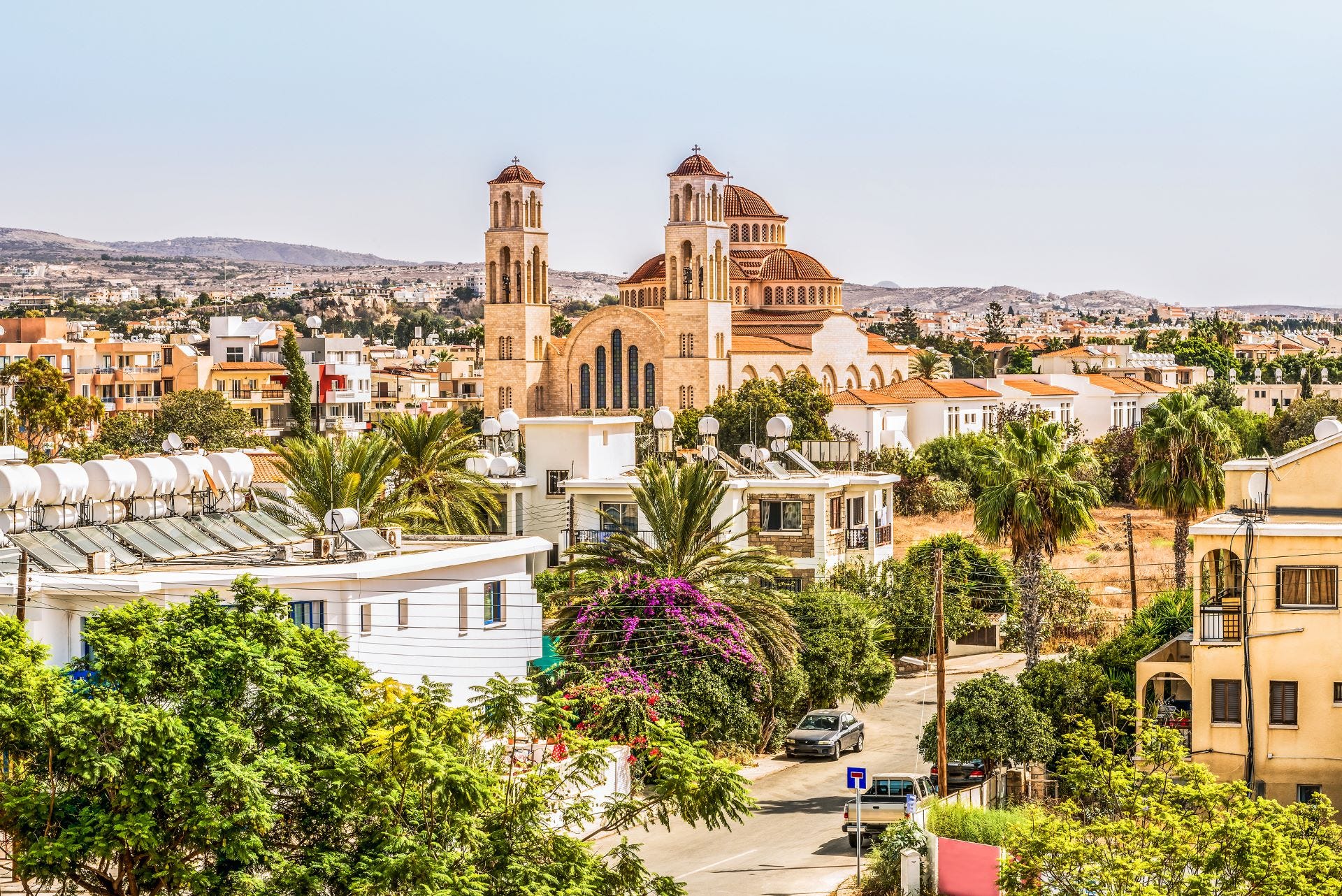
On the southwest coast of Cyprus, warm and dry almost all year.
English is spoken (almost) everywhere, a holdover from British rule, and the retiree community is large and established.
A couple lives well on around €2,400 to €2,900 a month.
The retiree route is “Category F Permanent Residency” (for people with steady foreign income).
The issue is that the visa is badly backlogged, sometimes years, so in practice most retirees live on the annually renewed “pink slip” while they wait.
On tax, Cyprus is one of the friendliest in Europe.
Foreign pension income can be taxed at a flat 5%, and as a non-dom your foreign dividends and interest are free of income tax and the usual defence levy for 17 years (you do need to pay the 2.65% health contribution however).
I lived in Cyprus for a year, lovely island, and easy to make connections with other expats (and locals).
Best for: English-speaking island life, year-round warmth, and a light tax bill.
Conclusion
Three things to take away:
Where you live and where you pay tax are two separate decisions. Some of these make a full-time home, while others are better as a base for part of the year.
No place “wins” in every category. The cheapest aren’t the warmest, the warmest aren’t the most tax-friendly, and the easiest visas aren’t always where you’d want to stay.
Many of these visas don’t let you work. They are for people living on a pension or investments, so the income has to be passive. If you still need a paycheck, you need a different visa (and a different strategy).
That’s it.
Question for you:
Which city would be your pick?
Tell me in the comments, I read them all.
Thanks for reading, and as always, appreciate having you here.
— Ben
PS
A city is just a place.
The strategy behind it is what actually shapes your retirement, where you're taxed, how your money works, what you do first.
Two people can retire to the same country and have completely different setups.
I walk through all of it in a short training, from where you live to where you’re taxed to where your money sits.
Hey Ben
Yeah! Porto #1
One thing about the monthly cost though. The €2,500 to €3,000 a month seems a bit low to me. I've been looking at apartments in Porto and around Porto in areas like Villa de Nova Gaia, and if you want 2-3 bedrooms, what I'd think of as a "decent" size (80-120sqmeters), elevator, you'll be paying higher prices. And that's without air conditioning. That's fair - I expected that. But it raises the monthly costs.
I think(?) that a lot of American retirees who were home owners in the States, might be used to: 1) larger homes (3-4 bedrms), 1000-3000 sq ft, 2) air conditioning, and 3) "American" yards, which are fairly big. Even if they go the apartment route in Porto, I wouldn't be surprised if they come wanting an apartment with at least 2 bedrooms and 100 sq m. Now, granted, I'm limited to what I can see online with my limited knowledge right now. But the rates I'm finding for that, even unfurnished, doesn't keep expenses under 2500.
We're fine with that, Ben. I'm not upset at all, just want to make sure you understand that! But in terms of your article, I wanted to give you my "two cents" of info, so to speak. :)
Can't wait -- this is the purpose of our trip in October. heading to Bilbao, Porto, Lisbon. I'll admit, the trip to Bilbao is more about San Sebastian (we're major Michelin foodies)......