


Many countries expect you to relocate fully.
Become a tax resident.
Stay more than 183 days.
Immigrate fully.
Others don’t.
Those “other” options also include so-called “Plan B” residencies.
Here’s how I define a Plan B residency:
A residency you can get without moving, and keep without living there.
And by “keep without living there” I mean not living there fully.
For some of them, you need to be in the country a few weeks a year, in others you might only need to visit every few years to keep the residency alive.
Plan B residencies can also turn into a full move, but they don’t have to.
I have a client right now who is thinking about different scenarios, which we are working through one by one.
Their scenarios:
Scenario 1: Plan B eventually becomes a full move.
Scenario 2: Plan B for an immediate move, while Plan C, the full move decision, will be a different one for a long-term commitment.
Scenario 3: Plan B will might not be used (but still obtained) and the move will happen straight to Plan C.
A scenario emerges from a strategy, 8 of which I use with my clients.
And depending on the goals for their global setup, the final residency strategy can have many nuances.
But I digress.
Today, I want to talk about 5 residencies that are suitable for a Plan B strategy.
Here’s what you’ll find for each:
What it costs to qualify, in income, savings, or government fees
How many days a year you have to be in the country
What you get, how long it lasts, and where it leads
Let’s get started.
#1 Paraguay (Temporary Residency)
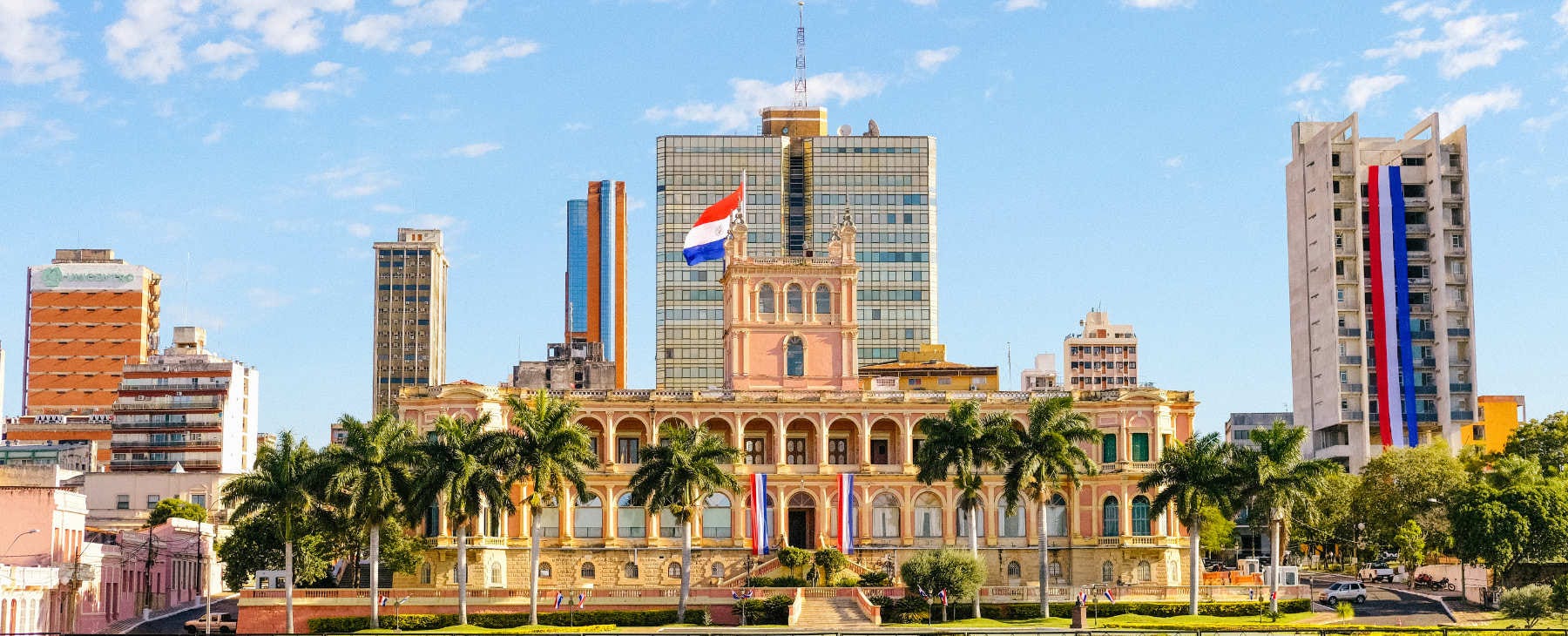
Paraguay is the only residency on this list with no income test at all, and the whole thing costs about $496 in government fees.
The old $5,000 bank deposit is gone. So is the direct permanent residency.
Under Ley 6984/2022, temporary residency comes first, and permanent is a second filing about two years later.
Timeline:
You get “residente precario” status the day you file, which means you can leave Paraguay and come back while your application is processed
Immigration does not publish a processing time for the card itself
Permanent residency is a separate filing, made in the three months before the temporary card expires
Requirements:
Valid passport
Apostilled birth certificate
Apostilled civil status certificate
Apostilled police record from your home country
Interpol and Paraguayan police clearances
Two sworn declarations
Government fee of about $496
No income requirement, no bank deposit, no investment
Benefits:
A Paraguayan cédula, which is what you need to open a bank account there
Temporary residency valid up to two years, then convertible to permanent
One entry a year keeps the temporary card valid, and one entry every three years keeps it valid after it converts to permanent
Paraguay does not tax foreign income
No wealth tax and no inheritance tax
Citizenship possible three years after permanent residency is granted
How to apply:
In person at the “Dirección General de Migraciones” in Asunción
A Paraguayan immigration lawyer can handle the follow-up, but the filing and your signature cannot be delegated
One thing to know:
Keeping the residency card and getting a Paraguayan passport are two different things. The card stays valid with one visit a year. The passport requires you to live in Paraguay, and Paraguayan courts look for at least 183 days a year across the three years before you apply.
Takeaway: About $500 and a trip to Asunción gets you a Paraguayan ID card with no income requirement attached.
PS: If you would rather skip the two-year temporary stage, the Investor Pass launched in April 2026 and grants permanent residency directly, starting at $150,000 in a tourism project or $200,000 in real estate or securities.
#2 Panama (Pensionado)
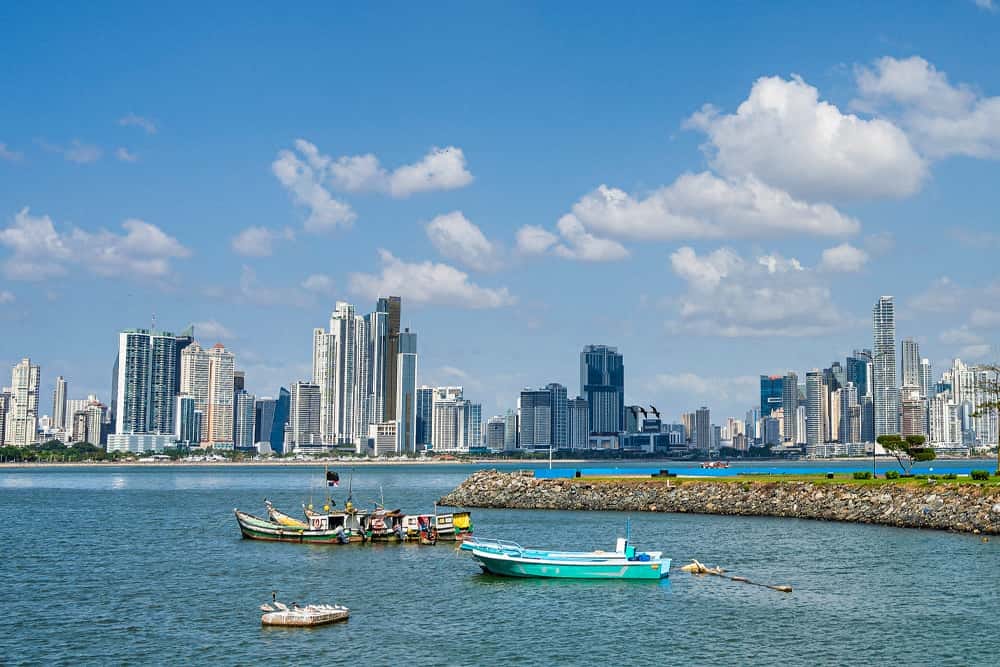
Panama has two main ways in, and the Pensionado is the one for retirees with a pension.
It grants permanent residency on approval.
The permit never expires.
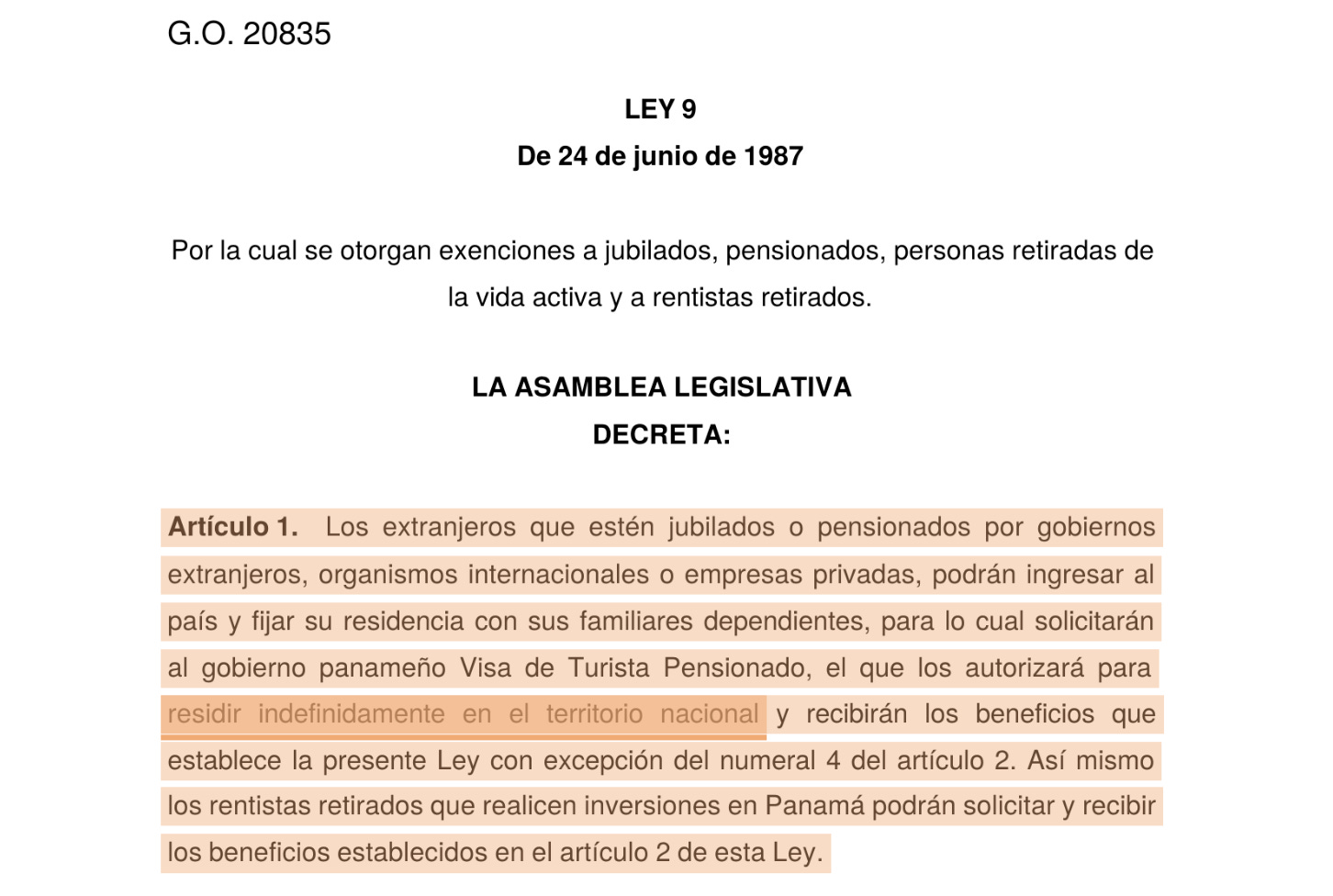
Ley 9 of 1987 created it, and it still gives the holder the right to reside in Panama indefinitely.
Timeline:
Permanent residency from approval, with no provisional stage first
Migración does not publish a processing time, but expect several months
Nothing to renew afterwards
Requirements:
A pension of at least $1,000 a month, paid for life
US Social Security qualifies, and so do government, military and corporate pensions
$750 a month instead, if you own Panamanian property worth more than $100,000
$250 a month extra for each dependent
Spouses can combine two pensions to reach the $1,000
A power of attorney notarized in Panama, a health certificate from a Panamanian doctor, three photos and a sworn personal history form
If your retirement money is in accounts rather than a pension, a lifetime annuity paying $1,000 a month qualifies you
Benefits:
Permanent residency immediately, with no renewals and no annual filings
One entry every two years keeps it valid
Panama does not tax foreign income
The Pensionado discount program, which includes half off hotels and 25% off restaurants, for life
Citizenship possible after five years, though Panama (technically) requires you to renounce your original nationality
How to apply:
Through a Panamanian immigration lawyer, or directly at the “Servicio Nacional de Migración”
One trip is usually enough, because there is no second filing to come back for
One thing to know:
Two years is the limit. Panama can cancel permanent residency after an absence of more than two years. If you do go over, you can apply to have the permit reinstated for absences between two and six years, and you have to file within 30 business days of landing back in Panama.
Takeaway: $1,000 a month in lifetime pension income buys permanent residency that never expires and asks for one visit every two years.
#3 Uruguay (Rentista)
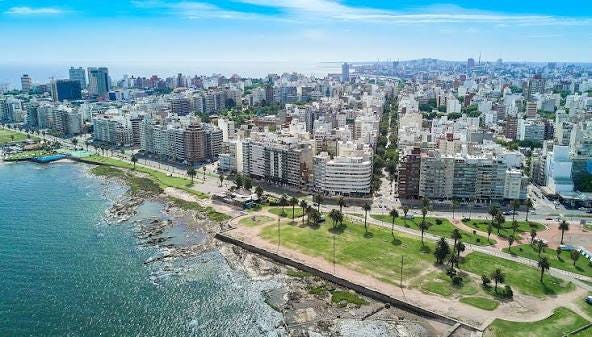
Uruguay grants permanent residency on the first application.
There is no temporary stage.
Ley 20.446 changed Uruguay’s tax holiday on January 1, 2026.
It did not change the Rentista residency, which still asks for about $1,500 a month in income from outside the country.
Timeline:
Permanent residency granted on the first application
The Dirección Nacional de Migración does not publish a processing time
You open the file online, then attend a scheduled hearing in Montevideo
Requirements:
Proof that your income supports you. Uruguay sets no figure in the law, and about $1,500 a month is the benchmark
A notarial certificate stating what the income is, the monthly amount, and how you receive it in Uruguay
Valid passport
Apostilled birth certificate
Police clearance from your home country and from anywhere else you have lived
A Uruguayan health card and vaccination certificate, both issued in Uruguay
Proof of a local address
Government fee of about $95
Benefits:
Permanent residency from the first application, with no temporary stage first
Ley 18.250 sets no minimum stay. Articles 31 through 35 cover permanent residence and none of them allows cancellation for time spent outside the country
A Uruguayan cédula
Citizenship possible after five years, or three if you have family in Uruguay, but any absence longer than six consecutive months resets the time
The cheapest government fee on this list
How to apply:
Open the file online at gub.uy, then attend the hearing in person at the “Dirección Nacional de Migración in Montevideo”
Or work with a Uruguayan immigration lawyer
One thing to know:
Leaving while your application is pending costs you paperwork. If you spend more than six months outside Uruguay before the file is decided, you have to produce a police clearance from every country you were in during that time. So either stay until it is decided, or keep your trips under six months.
Takeaway: Uruguay hands you permanent residency on the first application, and the immigration law never asks how many days a year you spend there.
#4 Mauritius (Retired Non-Citizen Permit)
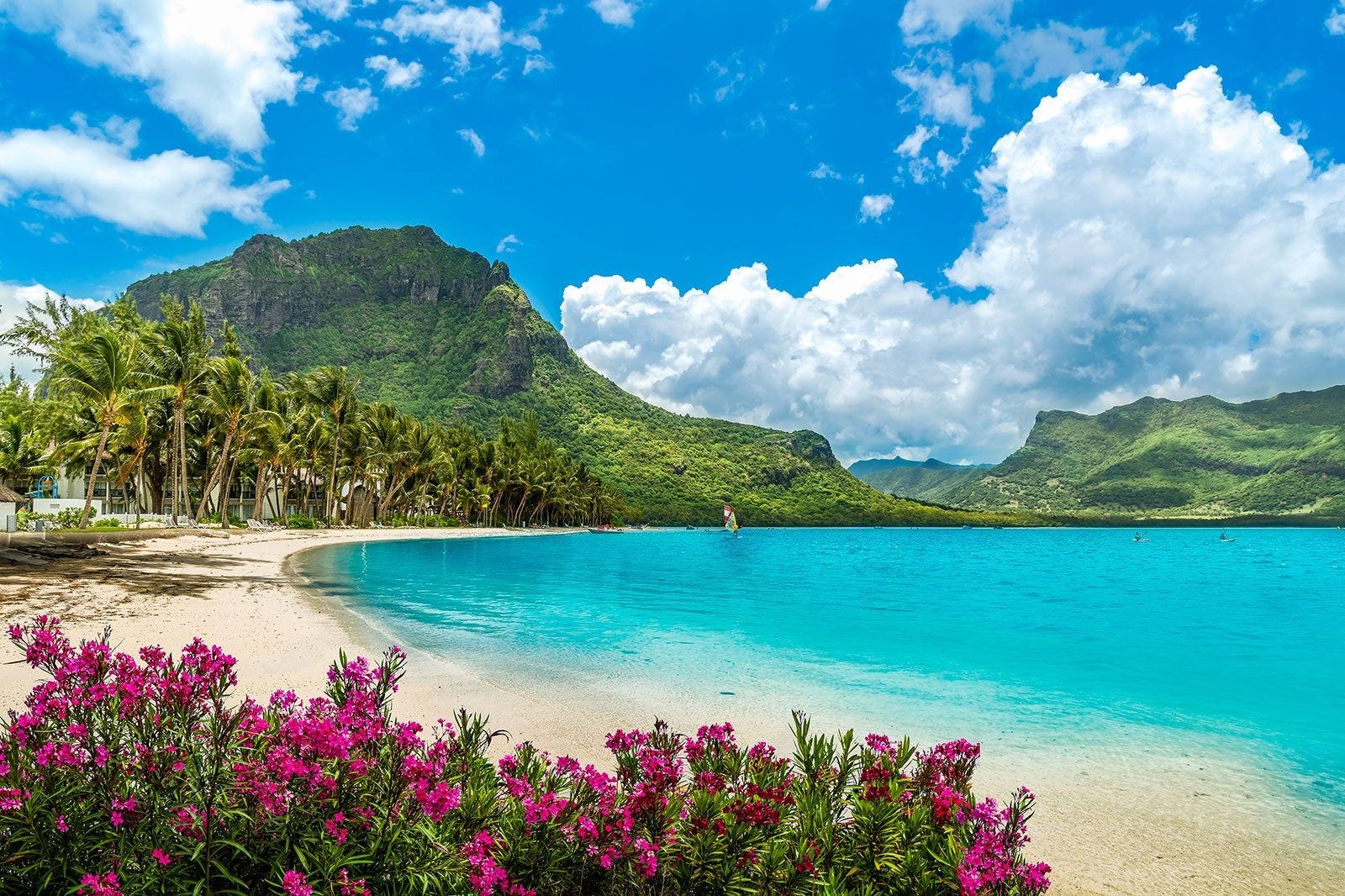
Mauritius offers ten years at a time, and how long you are staying there is irrelevant.
The requirement is financial, and it repeats every year.
USD 24,000 annually, or USD 2,000 a month, transferred into a Mauritian bank account.
Timeline:
You apply from home through the online system, and the Prime Minister’s Office gives final approval
The Economic Development Board publishes no processing time
You have to be in Mauritius in person to collect the permit and present your original documents
Requirements:
Aged 50 or over
USD 2,000 a month, or USD 24,000 a year
A certified bank statement from your home country showing the money
An initial USD 2,000 into a Mauritian bank account within 60 days of the permit being issued
Application fee of USD 50, which you pay whether or not you are approved
Permit fee of USD 1,000 once you are approved in principle
USD 400 for each dependent
Benefits:
A ten-year permit, renewable for another ten
Foreign income is taxed only when you bring it into Mauritius
Your spouse, parents and unmarried non-working children can come as dependents
A 20-year permanent residence permit possible after five years
How to apply:
Online through the National Electronic Licensing System, from your home country
Then one trip to Mauritius for identity verification and to collect the permit
One thing to know:
Meeting the annual minimum does not get you permanent residence. The 20-year permit requires USD 200,000 transferred in total across the five years before you apply. Five years at the permit minimum of USD 24,000 comes to USD 120,000. If permanent residence is the goal, you need to move about USD 40,000 a year, not USD 24,000.
Takeaway: One trip and USD 24,000 a year into a Mauritian account buys a ten-year permit with no minimum stay attached.
#5 Mexico (Temporary Resident)

Mexico asks for more income than anything else on this list.
It is also the only one where the right to leave is written into the law.
Article 52 of the Ley de Migración gives a temporary resident the right to enter and leave the country as many times as they want.
Timeline:
You apply at a Mexican consulate in your own country. The application cannot be made from inside Mexico
Waiting for a consulate appointment is the longest part, and the wait varies by city
After the visa is issued you enter Mexico and exchange it for the card at an INM office within 30 days
Requirements:
Proof of income for the last six months, or bank and investment balances for the last twelve months
Mexico sets both thresholds as multiples of the daily minimum wage, which rose to 315.04 pesos on January 1, 2026
The Mexican consulate in Las Vegas published USD 4,630 a month in income, or USD 78,025 in average savings, for 2026. Other consulates publish different numbers, because they update at different times and use their own exchange rates
Valid passport
Consular visa fee of USD 56
INM card fee of about USD 657, which is more than double the 2025 fee
Benefits:
Up to four years of temporary residency
A written right to enter and leave as often as you want
Permanent residency after four years
If you draw a foreign pension, you may be able to apply for permanent residency directly and skip the temporary stage
Citizenship possible after five years of residence, and absences adding up to more than six months in the two years before you apply interrupt the count
How to apply:
Book an appointment at the Mexican consulate nearest you and attend in person
Enter Mexico and complete the canje at an INM office, which includes biometrics. The full step-by-step is here
One thing to know:
The first card is valid for one year and you have to renew it inside Mexico, in person, before it expires. There is no way to do it from abroad and no grace period once it lapses. If you miss the date, you start again at a consulate.
Takeaway: Mexican law gives you the written right to come and go, as long as you are in the country to renew the card before it expires.
Conclusion
That’s it.
Five residencies across three continents:
Paraguay costs the least to qualify for.
Panama’s Pensionado gives you permanent residency on approval and never needs renewing.
Uruguay also grants permanent residency on the first application, and its law sets no minimum stay.
Mauritius gives you ten years at a time, in exchange for USD 24,000 a year.
Mexico has the highest income requirement, and the only law that writes down your right to come and go.
Which of these five would you actually use?
Let me know in the comments, I read every one.
Appreciate you being here,
— Ben
PS
If you’re thinking about retiring abroad in the next 5 years but you’re not sure where to go, which residency fits, or what happens to your money when you leave, reply with “BLUEPRINT” to be first on the list when I open the next slots.
And if you don’t want to wait, book a call with me here.