


The world feels a little messy right now.
(No politics here.)
But a lot of you are looking around and asking:
Why is this so hard?
Healthcare costs are through the roof.
Rent prices (even in mid-tier cities) cross new thresholds.
And every year brings new compliance requirements, new reporting thresholds, new reasons to consult yet another specialist.
Some of you stay and push back.
You call your insurance company, haggle with landlords, spend weekends on hold with the IRS.
Others are asking a different question:
Is there a place where I can just live without all this?
Countries where government stays in the background.
Where nobody tracks your address or audits your income.
Where the default setting is “let people live.”
And at the same time, where you can eat at a restaurant without wondering if something bad is about to happen.
This piece covers five options across four continents.
None of those are “perfect”.
There is no such thing as the “perfect country”.
But some of them might spark your interest.
What we will look at:
What “hands-off” actually looks like (visas, reporting, enforcement culture)
Whether each country works as a place to live beyond the “light touch”
The honest trade-offs that come with each (nothing is perfect)
What “hands-off” means
Every country has rules.
The difference is how often those rules affect your daily life.
For each country in this piece, we looked at four things:
Do rules change often?
Annual updates to tax codes and visa requirements make planning impossible. Stable policy for a decade means you can actually build a life.
Does the government track you?
Bank transactions, border crossings, phone data, digital IDs. How much gets recorded? How much gets shared between agencies?
What do you owe?
Income tax, wealth declarations, worldwide reporting. And what happens when you miss a deadline?
How often do you see the government?
Police checkpoints, permit requirements, inspections, random ID checks. Can you go a month without interacting with an official?
Now, the five countries.
#1: Georgia
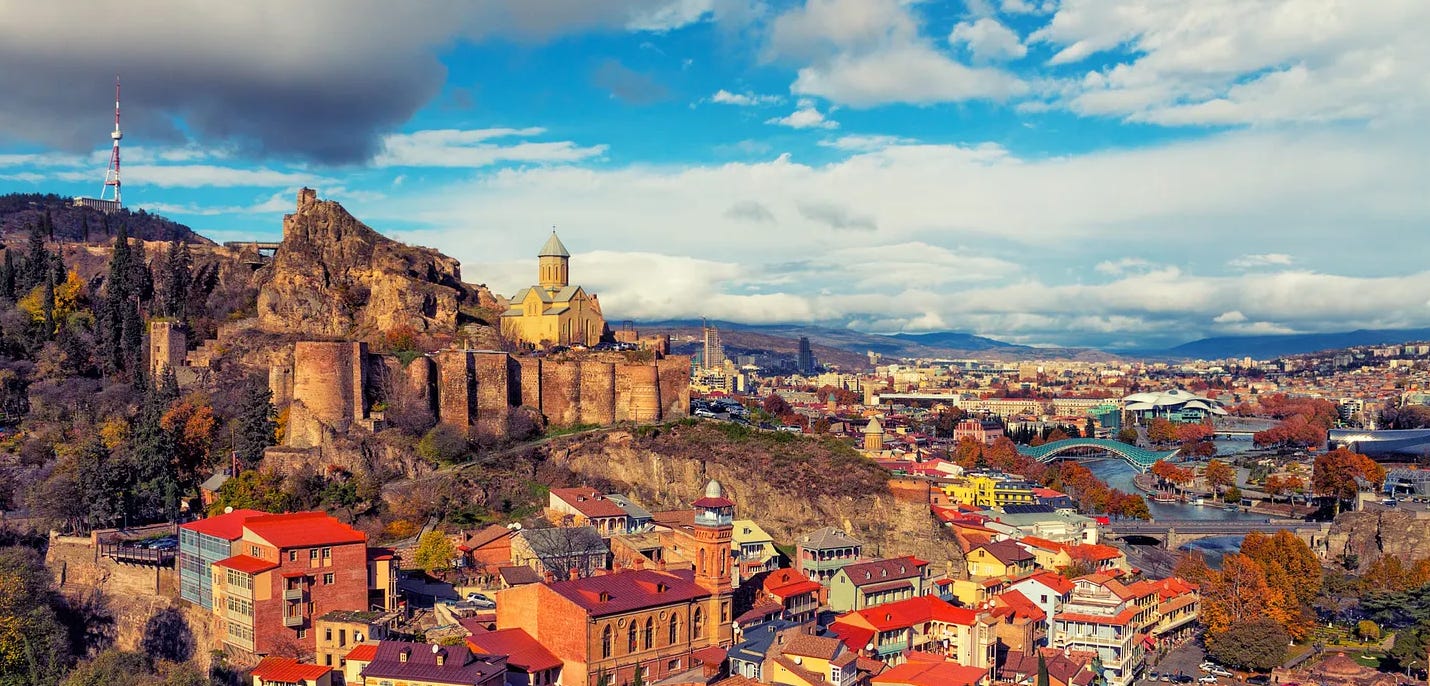
Americans get 365 days in Georgia without a visa.
The policy has been this way since 2015.
365 days visa-free is generous.
What happens after you land is even better:
There’s no address registration.
On the 365-day visa-free stay, there's no address registration. You rent a place, move in, done. Nobody in government tracks where you live.
There is no tax on passive foreign income.
Passive income from abroad isn’t taxed. Investments, dividends, interest, crypto gains. If you’re retired and living off a portfolio, Georgia takes nothing.
Banking takes 30 minutes (but you need to go in person).
Walk into Bank of Georgia or TBC with your passport, open an account same day. No proof of address or local tax ID required upfront.
Foreigners can buy property (with the same rights as Georgians).
Registration takes 1-3 days and costs 1% of the purchase price. No residency requirement.
By the way, if you want to open a bank account in Georgia remotely from the US, let me know.
I can make it happen without you having to set foot on a plane.
Now:
Does anyone actually want to live here?
Tbilisi is far from polished like Prague or Lisbon.
Buildings crumble next to new construction. Stray dogs roam everywhere.
But there’s a warmth to the place that’s hard to explain until you’ve been there a few weeks.
The cost of living is low.
One-bedroom apartments in the center are around $600-750/month, while places outside the center are more like $450-550/month.
Groceries are cheap.
A full meal at a local restaurant costs $8-12, and the food is good. Khachapuri, khinkali, grilled meats (and great wine with everything).
Georgians take eating seriously.

Internet is fast ($15-18/month for fiber) and the expat scene has grown enough that you will find your people.
A single person can live well on $1,200-1,500/month total.
When you want to get out of town, there are great options as well.
The Caucasus mountains are a few hours north and Black Sea beaches (Batumi) reachable by train.
Wizz Air flies out of Kutaisi (4 hours west) with $50 fares to Europe. Tbilisi's airport costs more but has direct flights to most major cities.
Now, the downsides.
Georgia has problems you can’t ignore.
In late 2024 there were street protests.
The country is caught between Western aspirations and Russian pressure, and that tension is public and ongoing.
Daily life for foreigners hasn’t been disrupted that much, but the political situation is genuinely unstable.
Infrastructure outside Tbilisi gets rough.
Poor roads, spotty internet, old buildings without central heating, while winter temperatures drop below freezing.
Also, the regulatory window is changing in some areas.
Which is normal to a degree, and not a reason for general concern (but worth mentioning).
One example: since March 2026, foreigners who register as Individual Entrepreneurs need a work permit.
If you're retired and living off investments, or holding crypto, Georgia is tax-free.
If you're actively working remotely, that's where it gets more complicated.
Takeaway: Georgia offers one of the easiest entry points in the world with minimal government in your daily life. But the politics are volatile and the rules are tightening in some areas.
#2: Paraguay
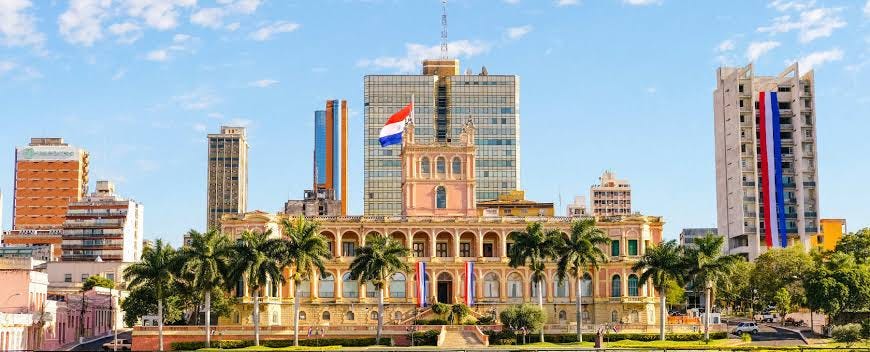
Paraguay grants temporary residency without asking how much you earn.
The process of obtaining temporary residency takes about a week, and a few months later, you hold the card in your hands.
After two years you can convert to permanent residency, and since April 2026 there is also a direct route for investors (with permanent residency from day one).
What happens once you’re a resident:
There is no tax on foreign income. Paraguay has a territorial tax system since 1991. Pensions, Social Security, dividends, capital gains from abroad: 0%. No wealth tax, no inheritance tax. Local income is taxed at 10%.
Nobody checks where you live. No address registration, no 90-day reporting, or check-ins. You declare an address once during your application and that’s the last time anyone asks.
The presence requirement is near zero. Temporary residency allows absences of up to 12 months. Once you have permanent residency you can stay almost three years abroad.
Citizenship becomes an option. Three years of permanent residency makes you eligible, if you actually live there (you need to stay 183+ days per year in order to qualify).
Now:
Does anyone actually want to live here?
Asunción is hot, the country is landlocked, and the expat scene is small.
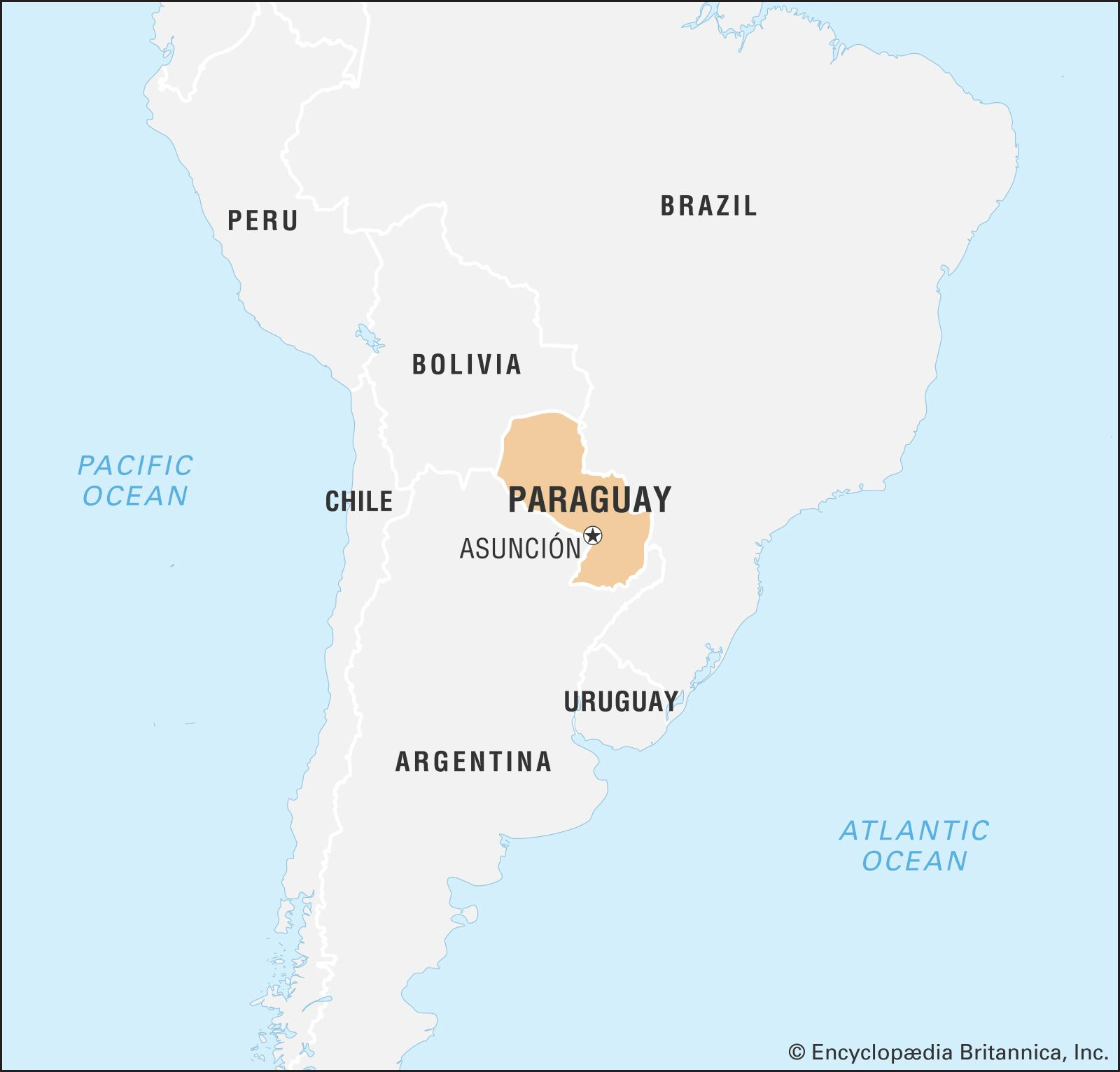
But your money goes far.
A one-bedroom in central Asunción is between $450-700 per month. Lunch at a local spot costs $6-8, fiber internet $30-45. A single person lives well on $900-1,400 per month, total.
Healthcare is limited.
Private care in Asunción handles routine needs at low prices, but for anything serious, expats fly to Buenos Aires or São Paulo.
And the rules are tightening a little.
A 2026 resolution added a documented-income requirement to the permanent stage, and background checks slowed down after Paraguay strengthened Interpol verification in late 2025.
Nothing dramatic, but the days of “residency in a week with almost no questions” are ending.
Takeaway: Paraguay is the purest hands-off package in the Americas, if you can live with Asunción, or only visit once a year.
#3: Albania
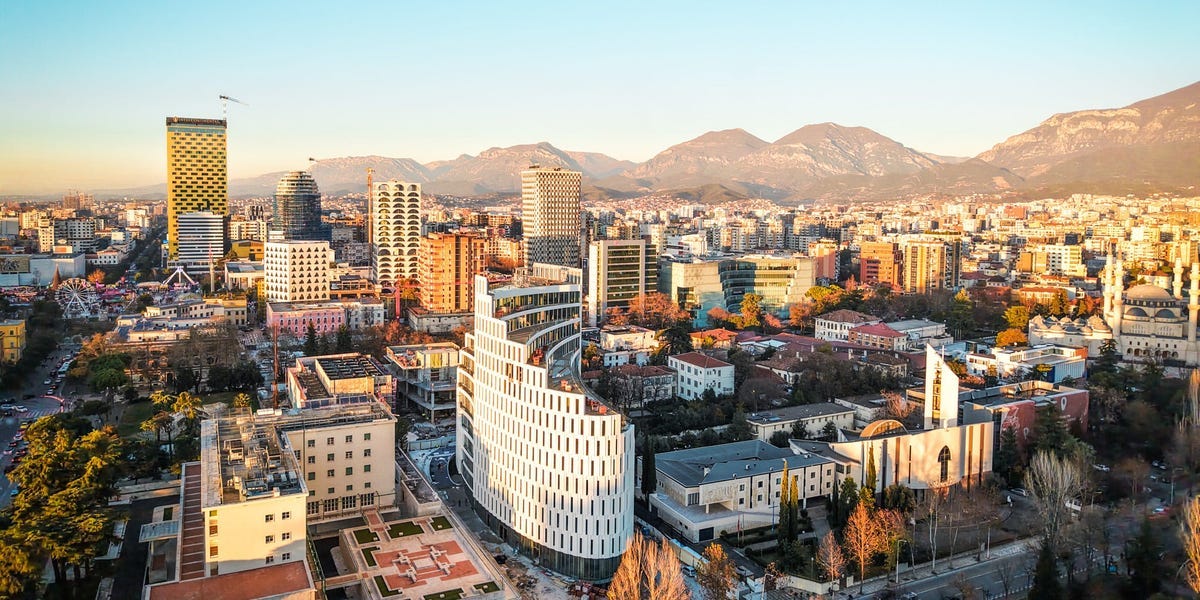
Albania offers Americans a full year, visa-free.
(Only Georgia and Palau matches that number.)
The difference:
Albania’s rule applies to US citizens specifically.
Most other nationalities get 90 days.
I covered it in my roundup of visas that need no degree, job, or investment, and it still stands in 2026.
Here’s what the year looks like:
No application, no forms, or fees. You show your passport at the border and you’re in. The US Embassy in Tirana confirms this.
No registration for the entire stay. Albania requires no address registration for stays under one year. When you rent an apartment in Tirana or Saranda, no government office needs to know.
The tax threshold follows the 183-day rule. Spend more than 183 days in a calendar year and you become an Albanian tax resident. Stay under it, or split the full year across two calendar years (arrive July 1, leave June 30), and Albania has no claim on your income or your filings.
There is a path past year one. Leave for 90 days and come back for a fresh year, or apply for a residence permit from inside the country (retiree is one of the categories). Permanent residency is possible after five years.
Now:
Does anyone actually want to live here?
Cost wise, Albania makes a strong case.
A one-bedroom in central Tirana runs €500-750 per month, €350-520 outside the center. A full restaurant meal costs €8-15 and fiber internet €15-25.
A single person lives comfortably on €800-1,200 per month.
When you want the sea, the Albanian Riviera around Saranda and Vlora is a day’s drive south, with Corfu a 30-minute ferry away.
Now the trade-offs.
Infrastructure gets rough outside Tirana.
Healthcare handles routine needs cheaply, but for anything complex, expats cross to Italy or Greece.
Be careful when it comes to taxes.
Albanian tax residents owe tax on worldwide income: dividends at 8%, interest and capital gains at 15%. Albania exempts foreign pensions for EU/EEA citizens and people of Albanian origin, but a regular American does not qualify.
One more thing for your future plans:
Albania is an EU candidate in accession talks, aiming for membership around 2030. EU members follow EU visa policy, so the US-only year probably has an expiration date.
Takeaway: Albania hands Americans a European year with zero paperwork, most likely only until EU accession, if it comes.
#4: Philippines
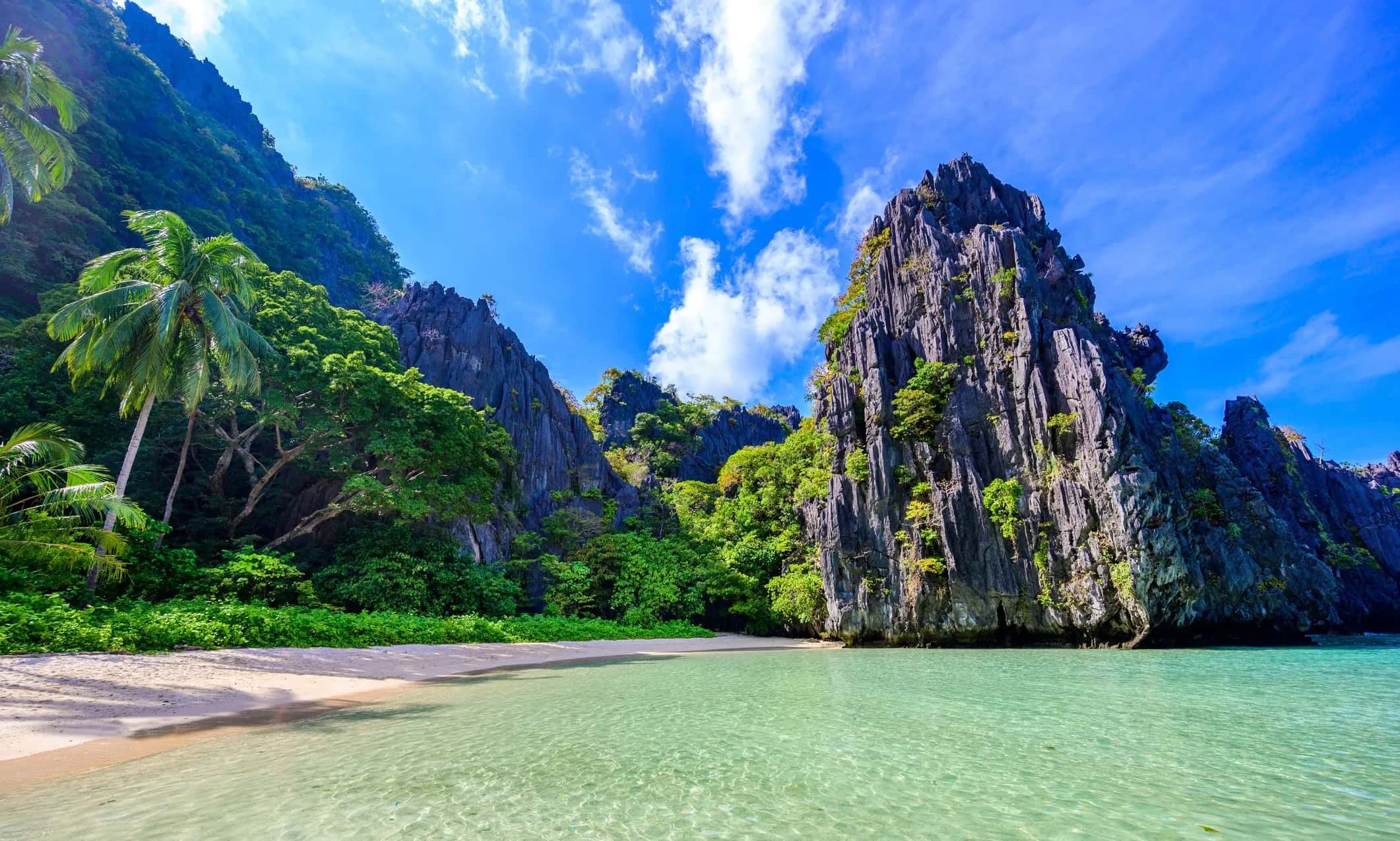
The Philippines sells permanent residency for a $15,000 bank deposit.
The program is the SRRV (Special Resident Retiree’s Visa), run by the Philippine Retirement Authority.
It was restructured in September 2025.
The current terms work in your favor if you’re over 50:
Permanent residency for a deposit, not a purchase. At 50+, you park $15,000 in a Philippine bank and show a lifetime pension of at least $800 per month ($1,000 for couples). Without a pension, the deposit is $30,000.
The government stops asking about you. Regular foreigners in the Philippines file an annual report with the Bureau of Immigration. SRRV holders are exempt: no annual report, and no alien registration card either. You leave and re-enter as often as you want, no permits needed.
Foreign income is not taxed. The Philippines taxes foreign residents only on Philippine-source income. Your US dividends and capital gains are tax-free, and the SRRV adds a written exemption on foreign pensions and annuities.
Renewal is a fee, not a process. $360 a year to the PRA and your status continues.
Now:
Does anyone actually want to live here?
One thing I like about the country: English is an official language.
Doctors and bank staff speak it fluently, and contracts come in English.
Doctors, contracts, and bank staff usually all speak English fluently.
A one-bedroom condo in Cebu costs around $500-800 per month, $300-400 in quieter districts.
A meal at a local eatery costs under $4.
Most foreigners live comfortably on $1,200-1,800 per month.
The trade-offs are healthcare and traffic.
While private hospitals in Manila and Cebu are good, outside those two cities, coverage is thin.
And if you’re looking at Manila (the capital) you can brace yourself for some brutal traffic.
Takeaway: the SRRV buys permanent residency for $15,000 in an English-speaking country, but healthcare on the postcard islands is thin.
#5: Panama
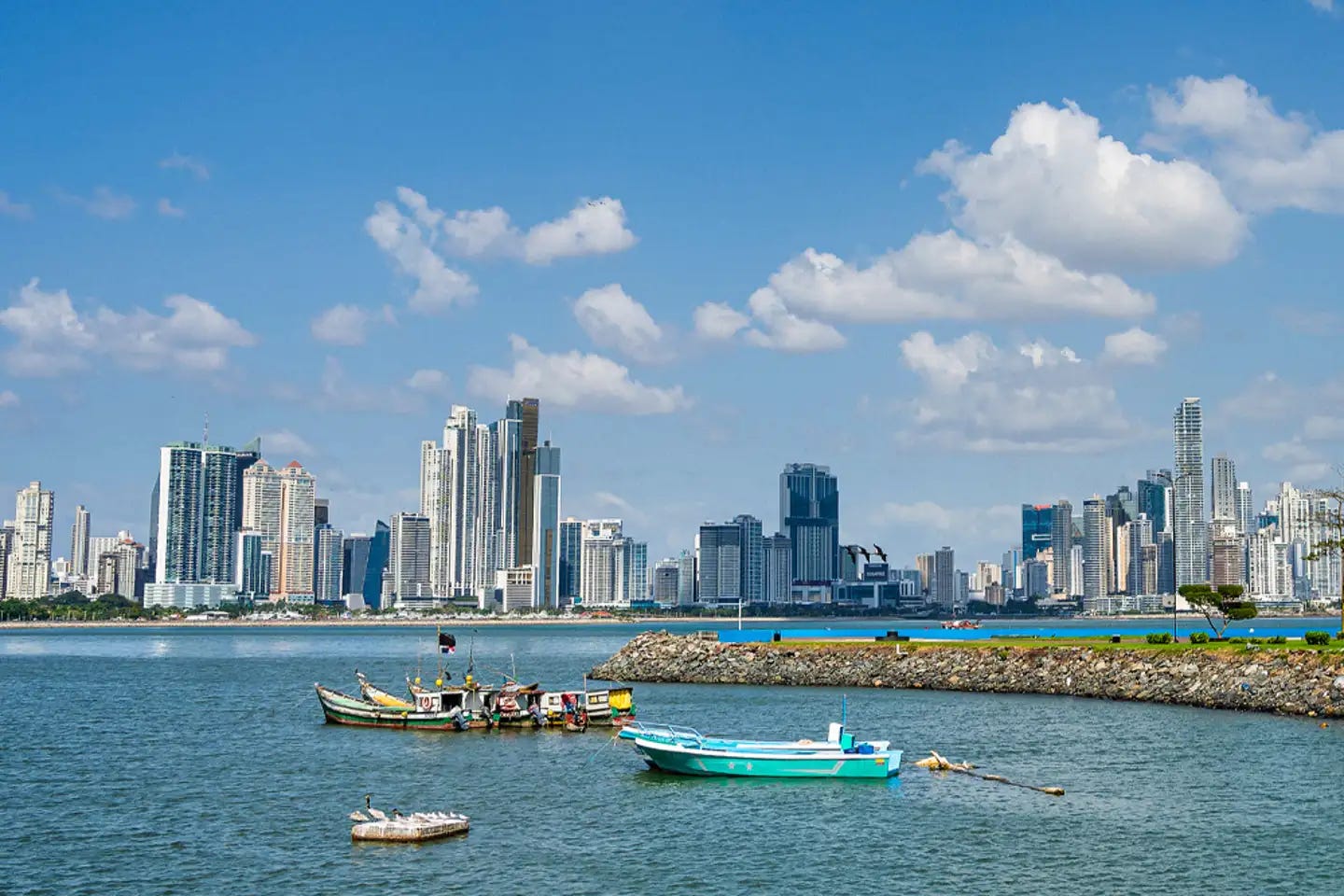
Panama grants permanent residency on day one.
If you have $1,000 a month in lifetime pension income, you qualify for the Pensionado (Social Security counts as well).
I broke down Panama’s two main residency routes in July.
What makes Panama hands-off:
Permanent from day one. No temporary stage. The status you get at approval is the status you keep for life.
Your only obligation is showing up. Enter Panama once every two years and your residency stays alive.
Territorial tax. Foreign pensions, dividends, interest, capital gains: 0%. If all your income comes from abroad, you don’t file a Panamanian return at all.
Panama is also the most livable country on this list.
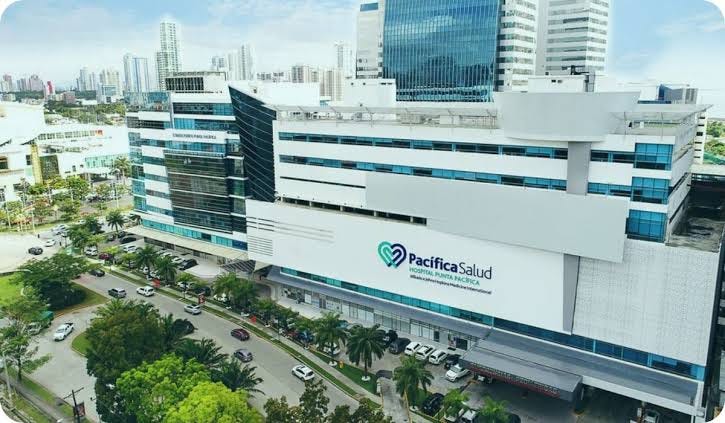
Punta Pacífica hospital in Panama City is affiliated with Johns Hopkins.
Boquete and Coronado have decades-old American communities, and the Pensionado card cuts 25% off restaurants and utilities, 50% off hotels, 20% off doctor visits.
But, you pay for all that.
A one-bedroom in central Panama City costs between $900-1,500, and a realistic single budget is $2,000+ per month (at least).
Two more things:
Outside Panama City’s expat circles you need (at least) functional Spanish.
And opening a bank account is a slow, document-heavy process, even more so at the best banks.
By the way, Panama accounts can also be opened remotely from the US.
If you want that, let me know.
Takeaway: Panama pairs the best healthcare and connectivity on this list with a government that wants to see you once every two years.
One Question For You
Conclusion
That’s it.
Three things to take away:
Countries that leave you alone still exist, and getting in is easier than you think.
What they have in common is that nobody tracks where you live. And in three of the five, your foreign income is completely tax-free.
None of them are perfect, you always need to pick trade-offs you can live with.
One thing to do this week:
Do the coins exercise from February’s article.
Draw three buckets:
Money
Lifestyle
Freedom
You have 100 coins, distribute all of them, no even splits.
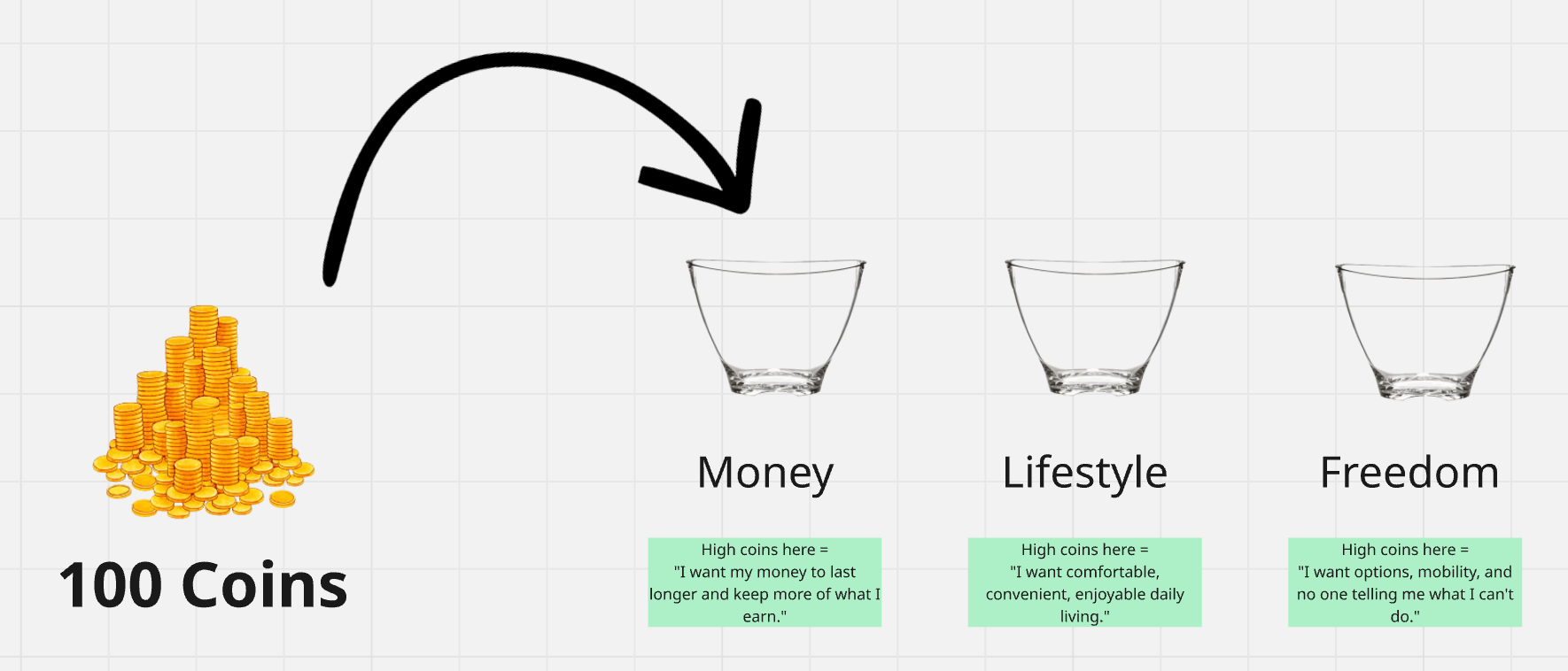
If most of your coins land on Freedom, this list is your shortlist.
Where did your coins land?
Reply and tell me. I read every single one.
Thanks for reading, and as always, appreciate having you here.
— Ben
PS
One thing that needs to be taken care of before any residency is the money part.
A hands-off country works best when your money works the same way.
Accessible from anywhere, with no expensive surprises when you move it.
That part comes first.
If you’re thinking about retiring abroad in the next 5 years but not sure what happens to your money when you leave, you can book a free call with me here.
We’ll look at your situation and map out what to sort before you make a move.
I’m retired and living in Panama now. I have gotten my permanent visa. I am heading back to the states next spring, but will make a point to keep my visa active, and some day, I may come back to Panama permanently. But for now, I have family in the US that I miss.
Here’s what they don’t tell you. Watching the horror show that is the United States is no easier when you’re watching it from another country. I have been completely unable to distance myself from it. Some can successfully do this, I couldn’t!
Mr. Hies, I have a question about all of these places you review as being “welcoming” to allowing a citizen of the States to move there and live in peace among its citizens. Where is it even remotely possible???
I tried in December of 2022, after self publishing my first book, to merely visit Stonehenge in England. I had purchased my ticket on British Air, reserved a room and taxi and was completely ready to begin a world trek of places I have longed to visit since I was a child. (I am 70 years of age now)
I was told, the day before my flight was supposed to leave, that my ticket had been cancelled. Researching for months afterward I only discovered the truth by calling the British Home Guard; that I was denied entry into any of Great Britain’s subject nations due to the fact that I had been hospitalized in a mental institution for the criminally insane for a period of four years.
Upon further research I discovered that there is no nation on the planet (including the States where I was born) that will allow entry to anyone who has been confined for a period of 12 months or more, for any reason.
Although there are some that might allow entry, as long as you are not identified as having been confined, those nations will; upon discovering that fact; will confine you all over again, without benefit of trial.
Where then, I must ask you, do the nations you have listed here fall into those two types of categories?
With all that is happening in the States, and my having been forewarned of what is occurring here I had sought to leave and hopefully expire along my quest to meet and greet individuals from other nations.
I published the warning I was shown in 2022 and was blocked from entering their nation by England to the point where the British Home Guard contacted the State Department here and had my passport revoked.